October 2025 Preservation News Roundup
October 31, 2025
This month, we share news from Blue Island, Watseka, Rockford, La Grange, Chicago and more. Also, check out our upcoming events and grant deadlines!
Read more
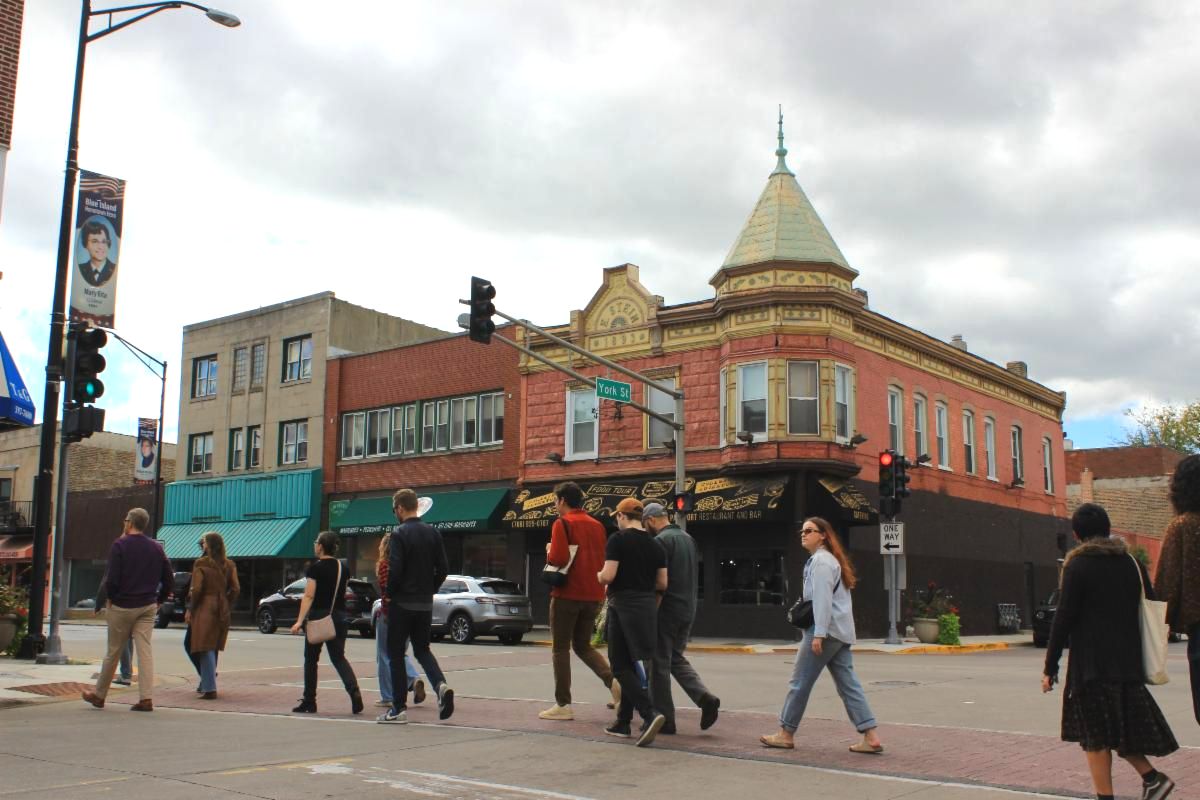
This month, we share news from Blue Island, Watseka, Rockford, La Grange, Chicago and more. Also, check out our upcoming events and grant deadlines!
Read more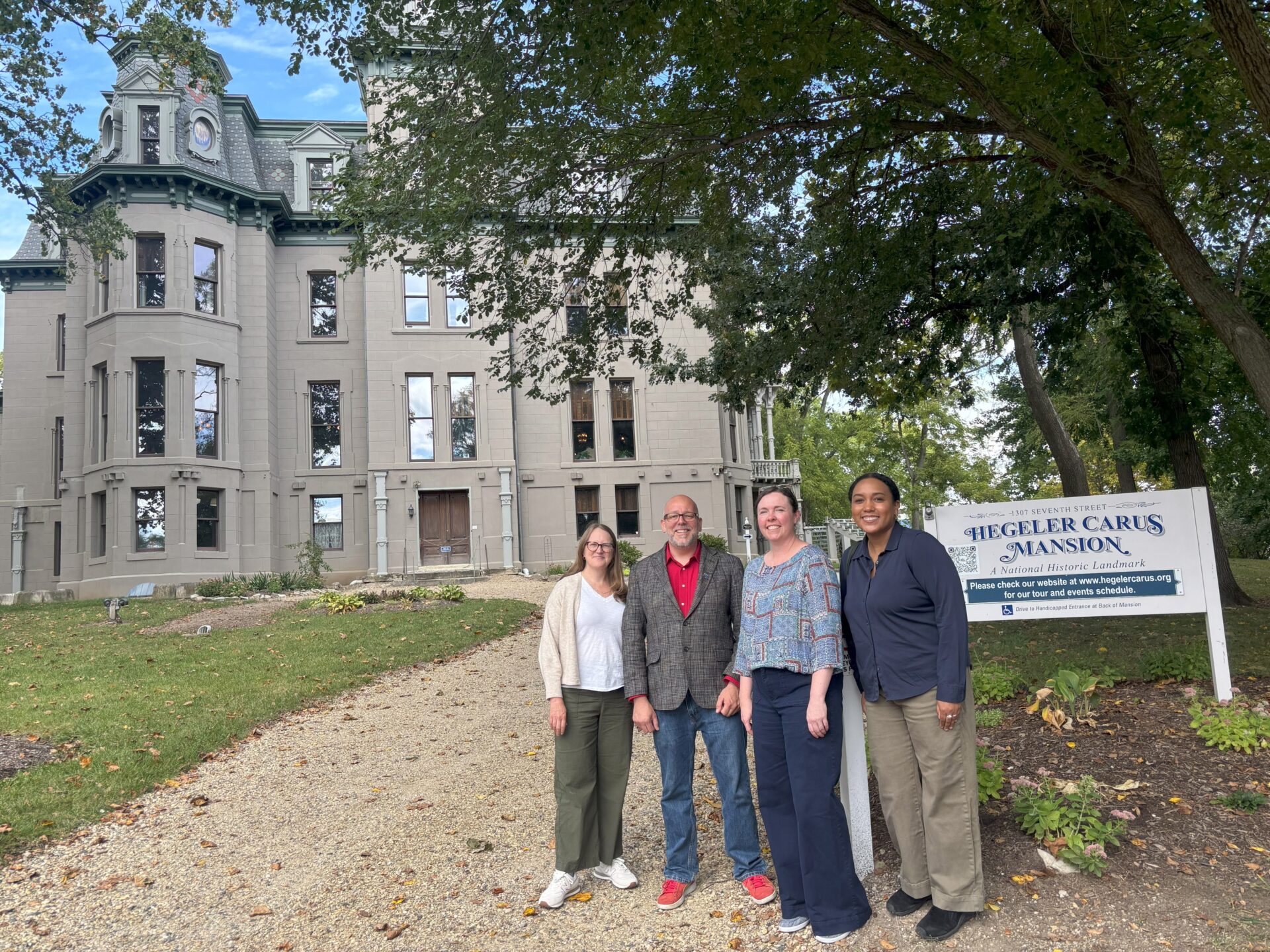
This month, we have updates on our advocacy work in LaSalle, Rockford, Oak Park, Chicago and more as well as news on our upcoming fall events. Read the latest preservation news roundup!
Read more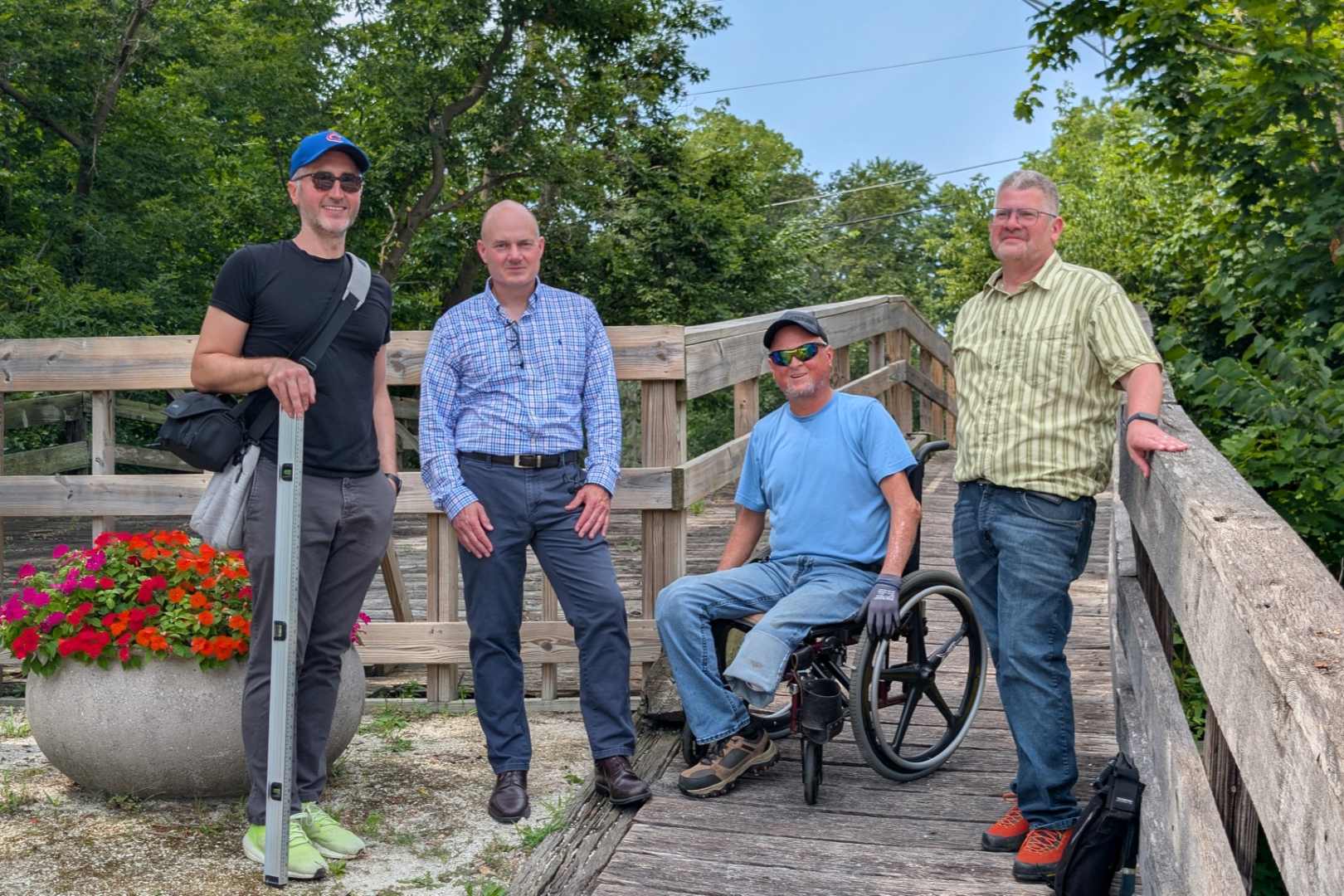
From condition assessments in Richmond and Rockford, to Most Endangered and historic site updates in St. Charles and Richmond — we round up the latest preservation news from across Illinois. Don’t miss our upcoming events and grant application deadlines, either!
Read more
Landmarks Illinois has created an online form “Use and Impact of Government Resources in Preservation Projects” to collect public input on the federal, state, and local financial resources that have supported historic preservation projects in Illinois. We are seeking information both regarding successfully completed projects, and projects that are still in progress.
Read more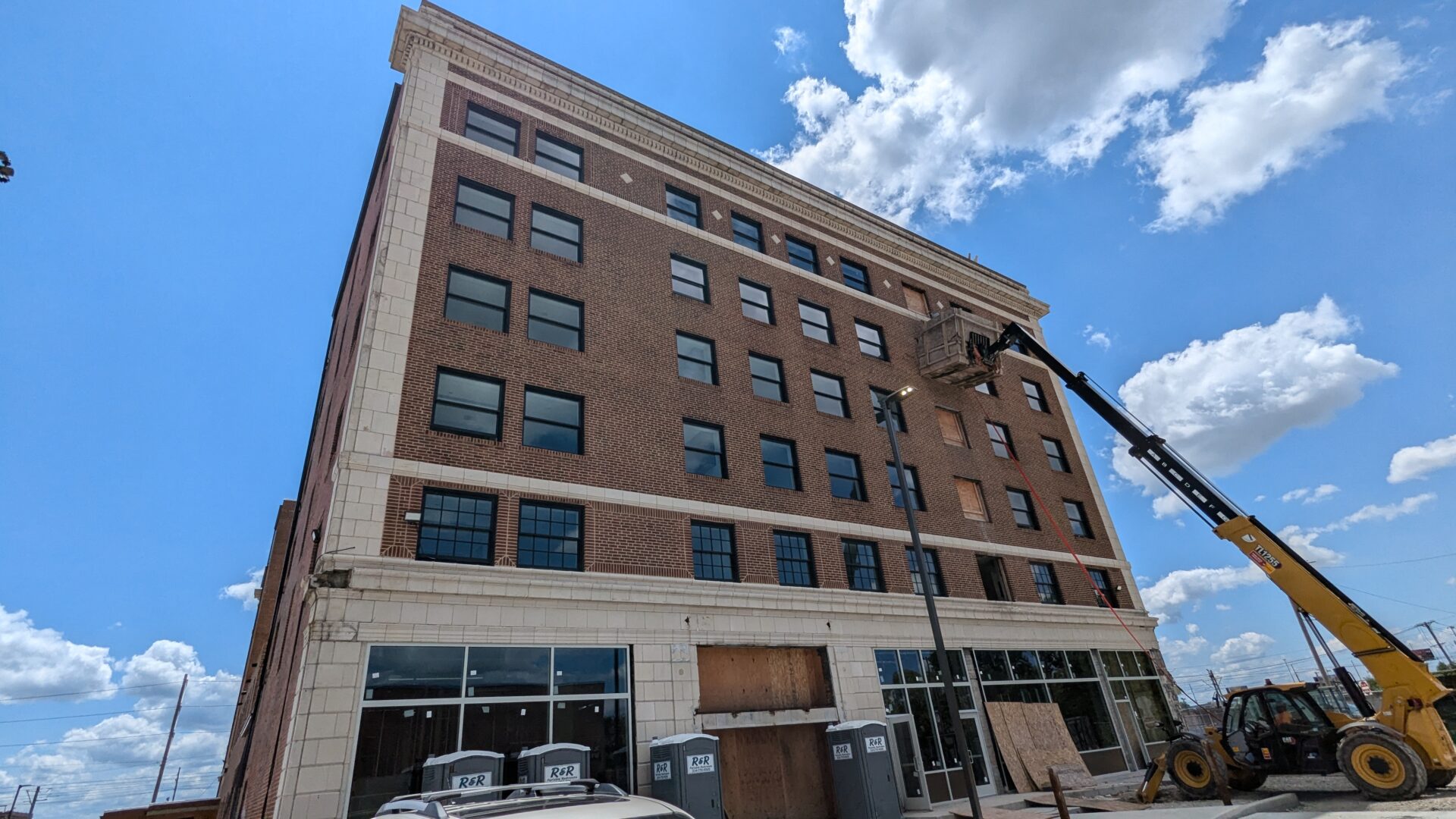
Bonnie McDonald, President & CEO, believes it is time to reevaluate why and how we save our historic buildings. Adaptive reuse is a vital, effective and scalable climate change mitigation solution, but the preservation community must move beyond the belief that “preserving a building is the greenest choice” to using an evidence-based approach to prove it. We also need to rethink our funding sources to better align with the sustainability goals of an evolving historic preservation movement. Read more in this special Earth Day blog.
Read more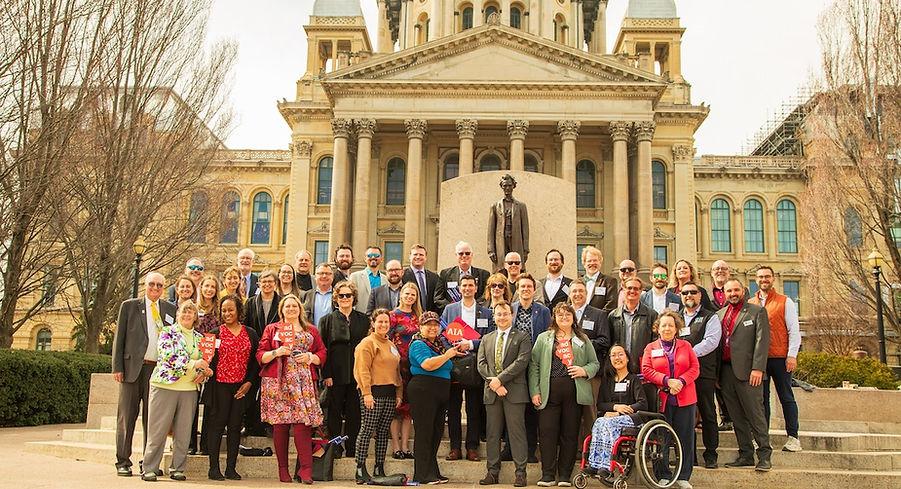
In this month’s roundup, we provide updates on preservation efforts across Illinois, including in Chicago, Crystal Lake, Evanston, Springfield and more. We also share our latest reaction to what is happening with preservation at the federal level. Read the roundup to understand our preservation priorities in March!
Read more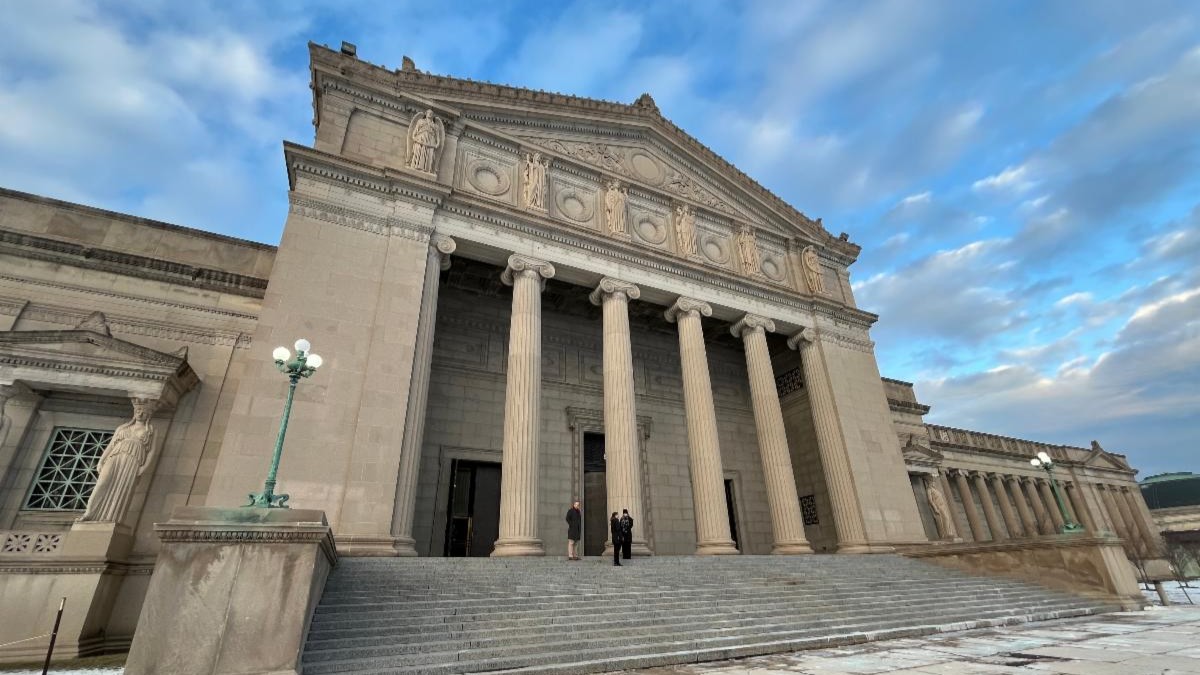
Catch up on the preservation efforts we supported throughout Illinois in February. In this edition of the news roundup, we feature projects in Decatur, Evanston, Chicago and more. And, check out our latest grant recipients and upcoming events!
Read more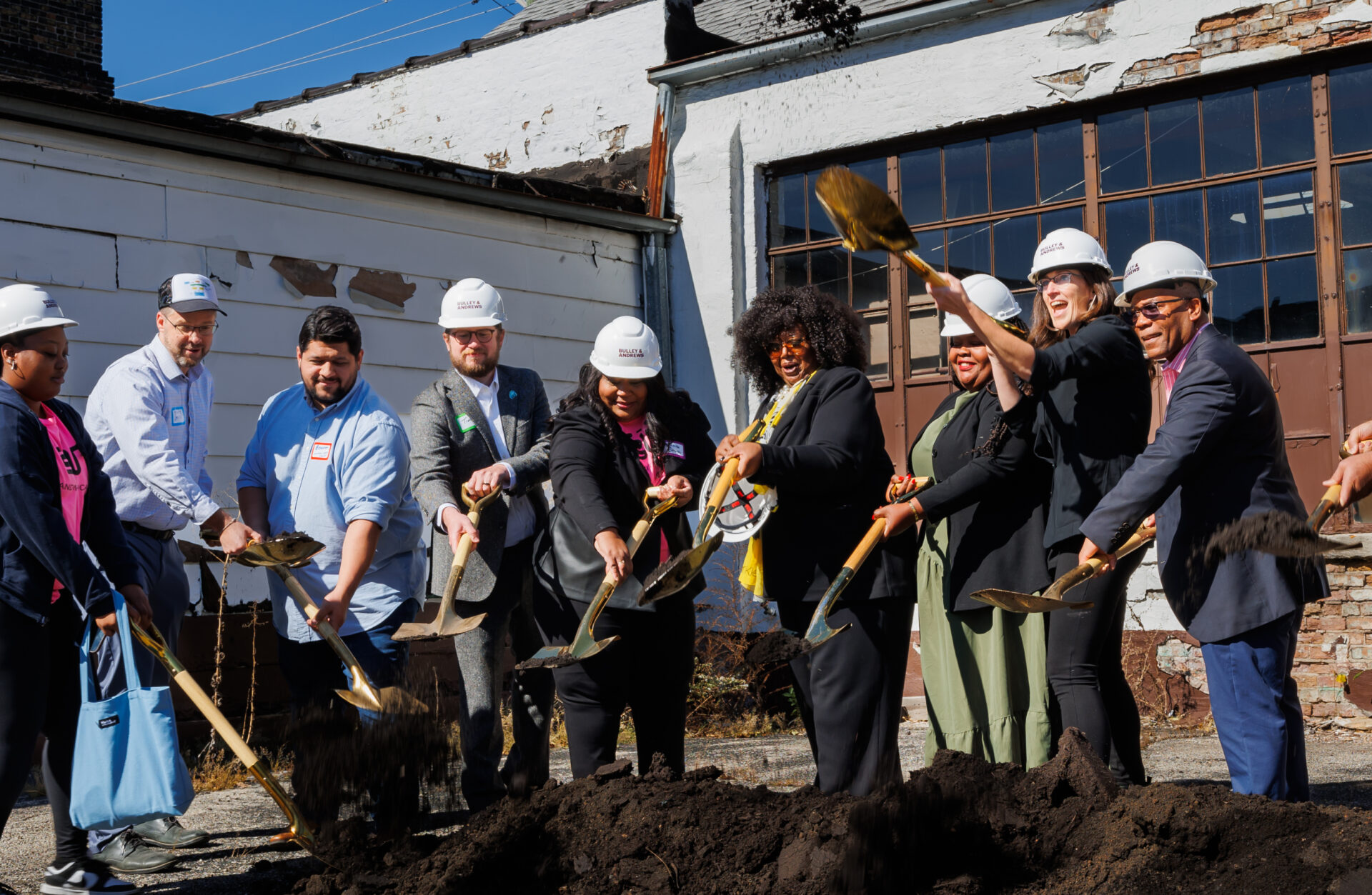
In 2024, Landmarks Illinois provided two loans through its Reinvestment Program Loan Fund: One to BandWith for the adaptive reuse of the former Loyal Casket Building in East Garfield Park and another to Plant Chicago for its restoration and reuse of a historic former firehouse in the Back of the Yards neighborhood.
Read more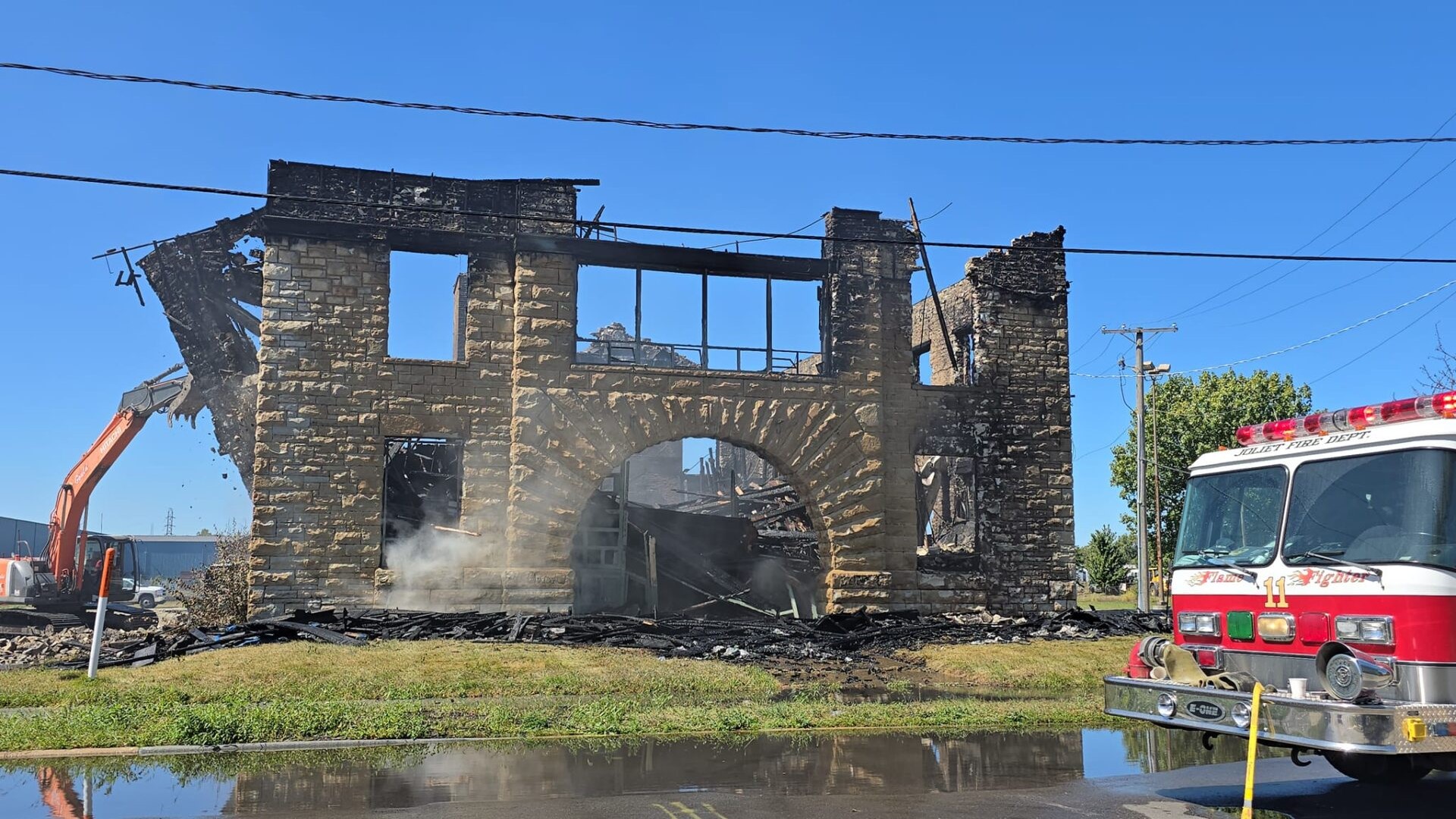
The historic Joliet Steel Mill Main Office Building was destroyed by a fire in September 2024, after sitting empty and neglected for years. Here, Regional Advocacy Manager Quinn Adamowski discusses how the devastating loss, while not unique, could have been prevented.
Read more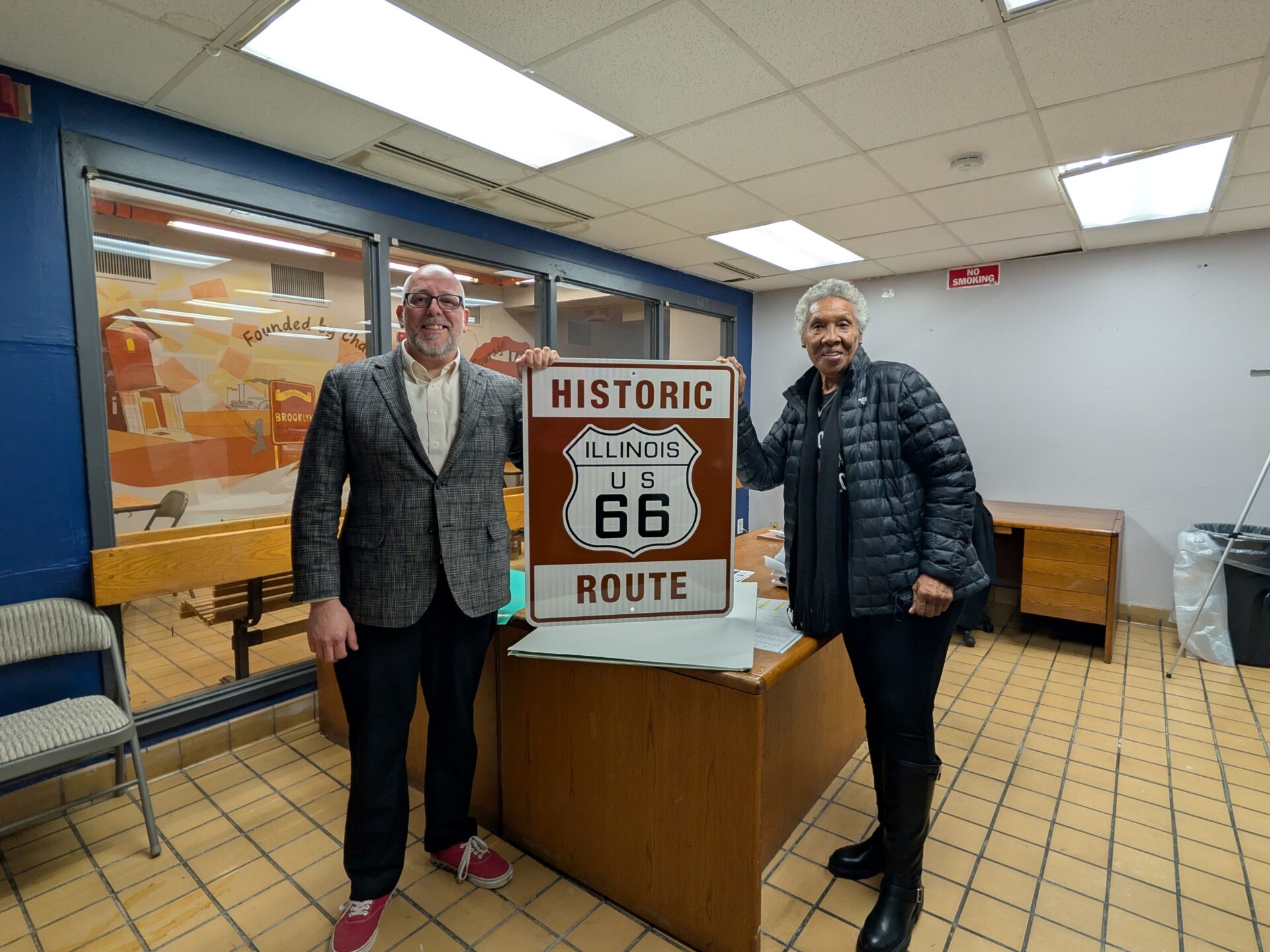
See what preservation efforts we started the new year with. Also: learn about upcoming events, grant opportunities and more in our first news roundup of 2025.
Read more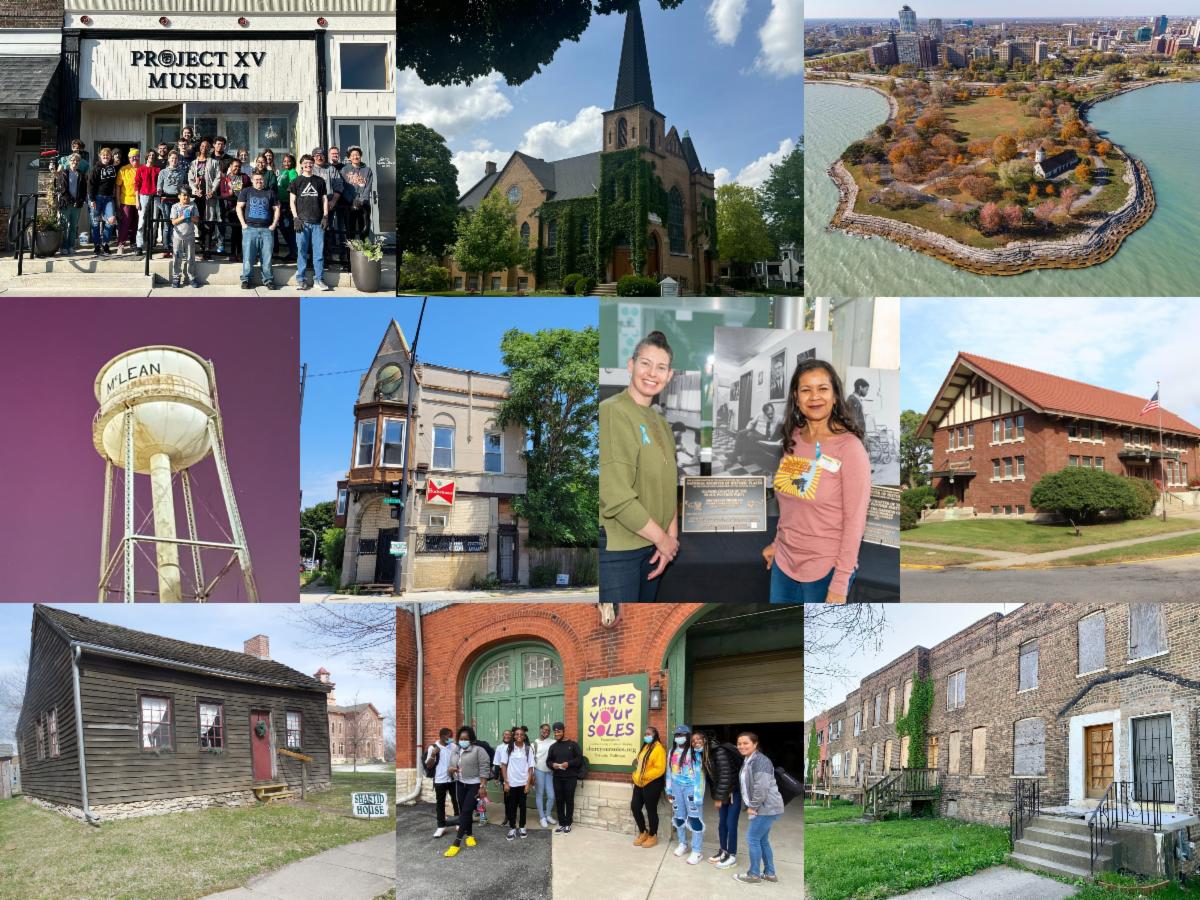
We take a look back at our biggest advocacy efforts, our popular events and the many ways we helped people save places in Illinois – all thanks to your support! Read our Year-in-Review News Roundup to see what we were up to in 2024.
Read more
Read about our latest advocacy efforts across Illinois! This month’s roundup includes news on landmarking efforts in Chicago and McHenry, celebrating preservation successes in Kankakee and Chicago’s South Side and a major development with the iconic Century & Consumers Buildings.
Read more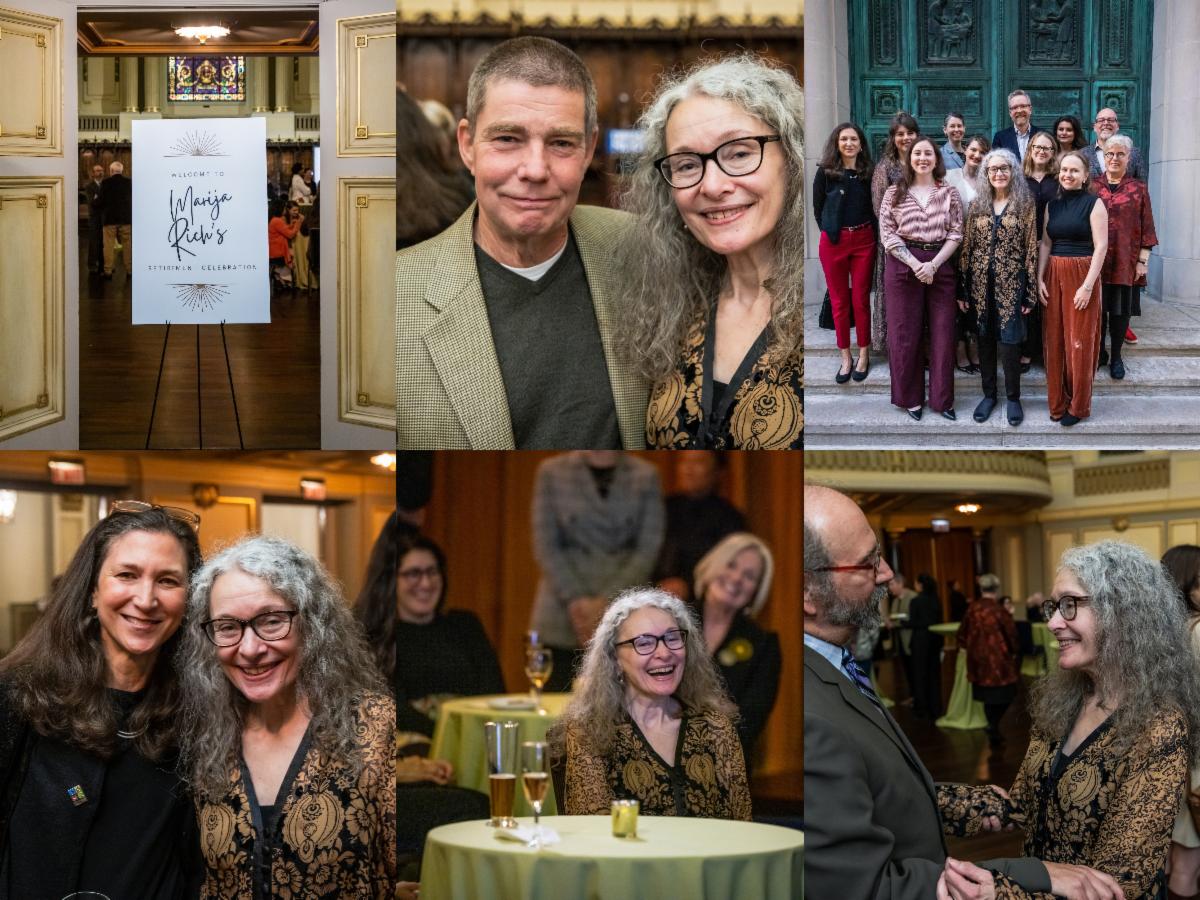
This month, we celebrated the retirement of Membership Manager Marija Rich, who has worked for Landmarks Illinois for 35 years. We also share news from our advocacy efforts around the state, including those in East St. Louis, Macomb and Brooklyn, Illinois, as well as our reinvestment work in Chicago. Check out this latest edition to stay up to date on all LI and preservation news.
Read more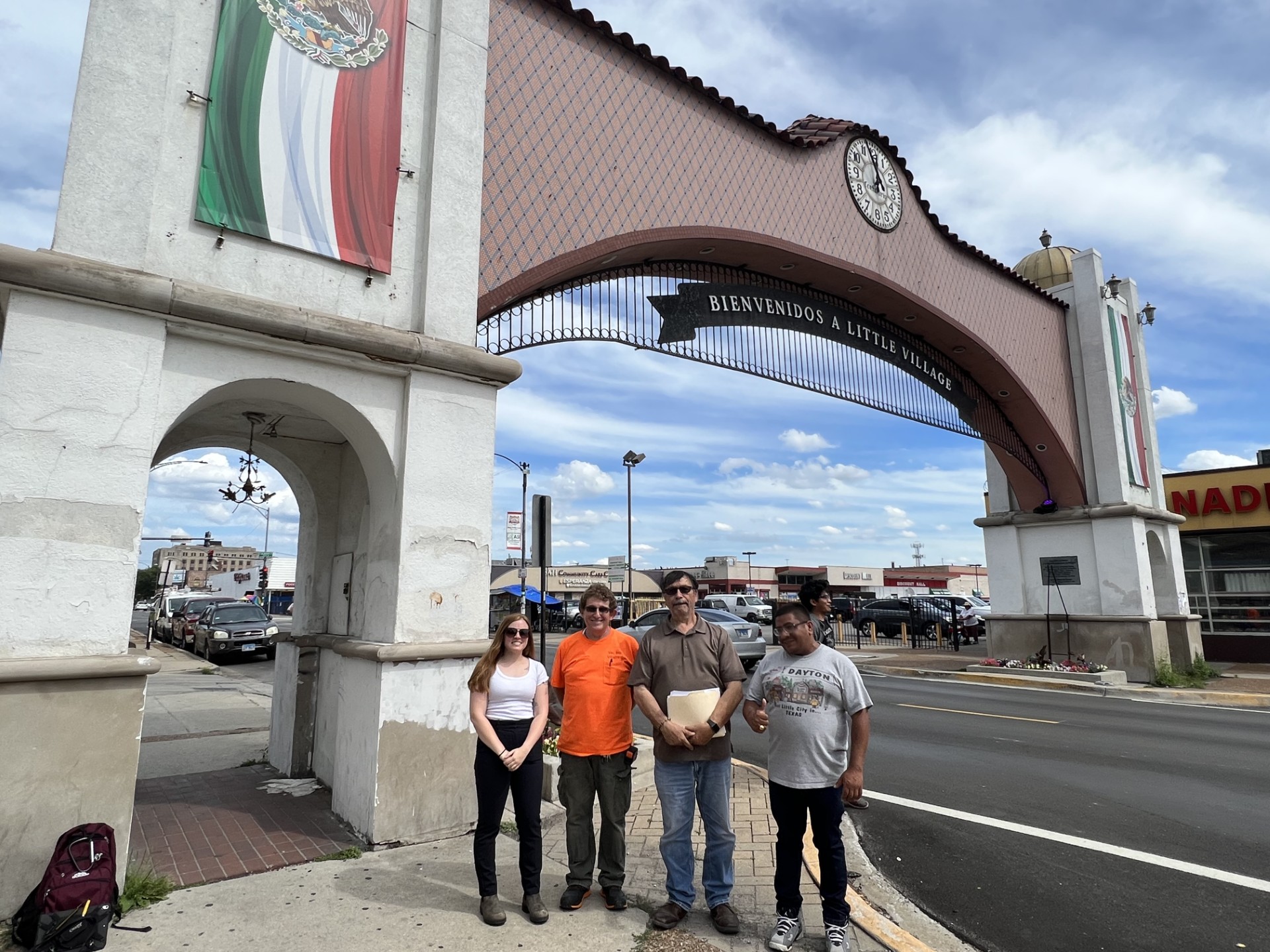
This month, we are celebrating good news across Chicago, from Little Village to the Altgeld Gardens and Tri-Taylor neighborhoods. Also check out our upcoming fall events like Preservation Snapshots Lectures and our 2024 Landmarks Illinois Richard H. Driehaus Foundation Preservation Awards happening October 18. Read more in this month’s edition of our Preservation News Roundup!
Read more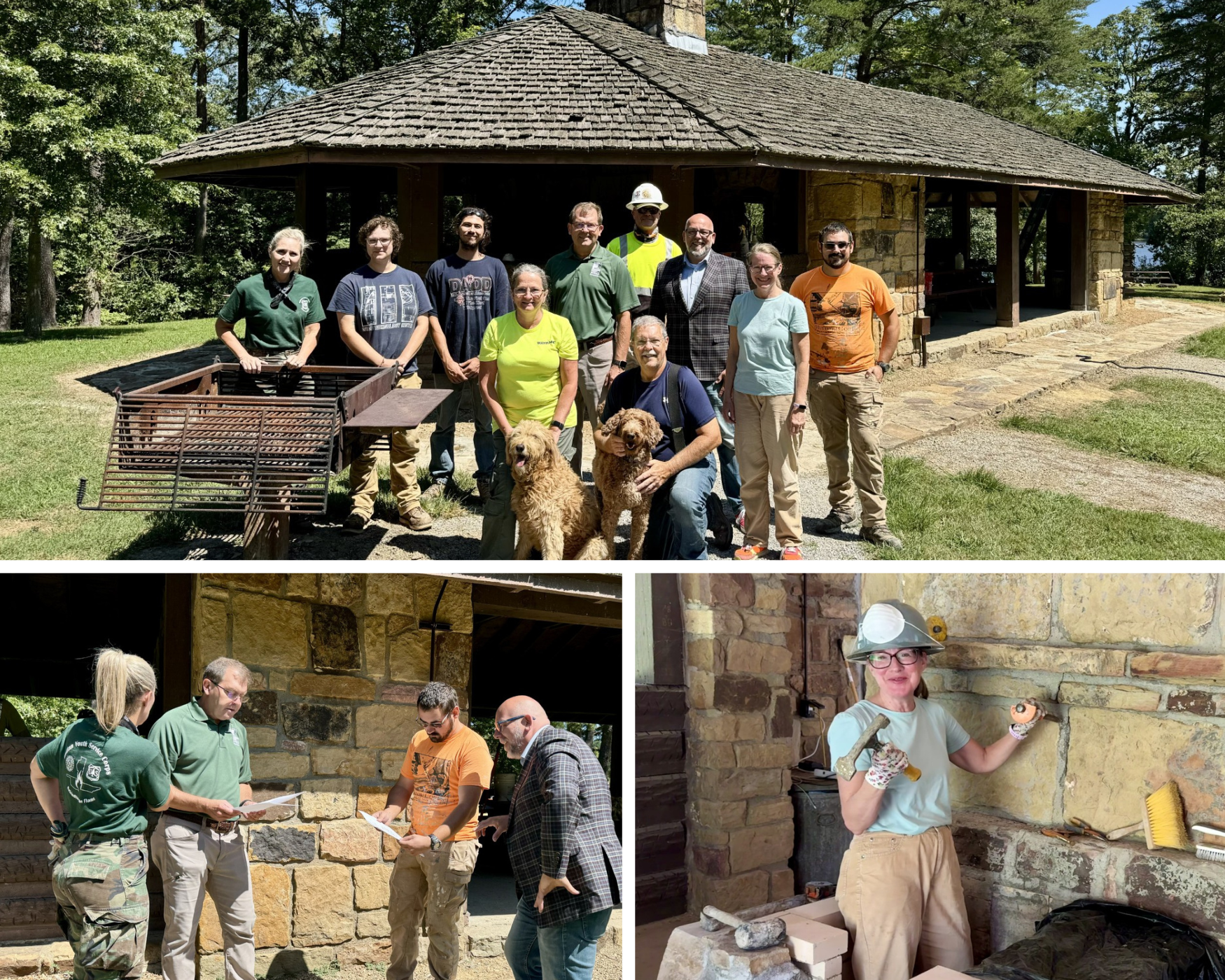
Check out the latest on our work across Illinois! This month, we were in Golconda, Albion, Shawnee National Forest and other communities helping people preserve historic places. We also share updates on other advocacy efforts, including at former Most Endangered sites in Chicago and Glenview. We launched our 2024 Fall Preservation Snapshots series and announced our 2024 Awards Winners! Read the full roundup to learn more.
Read more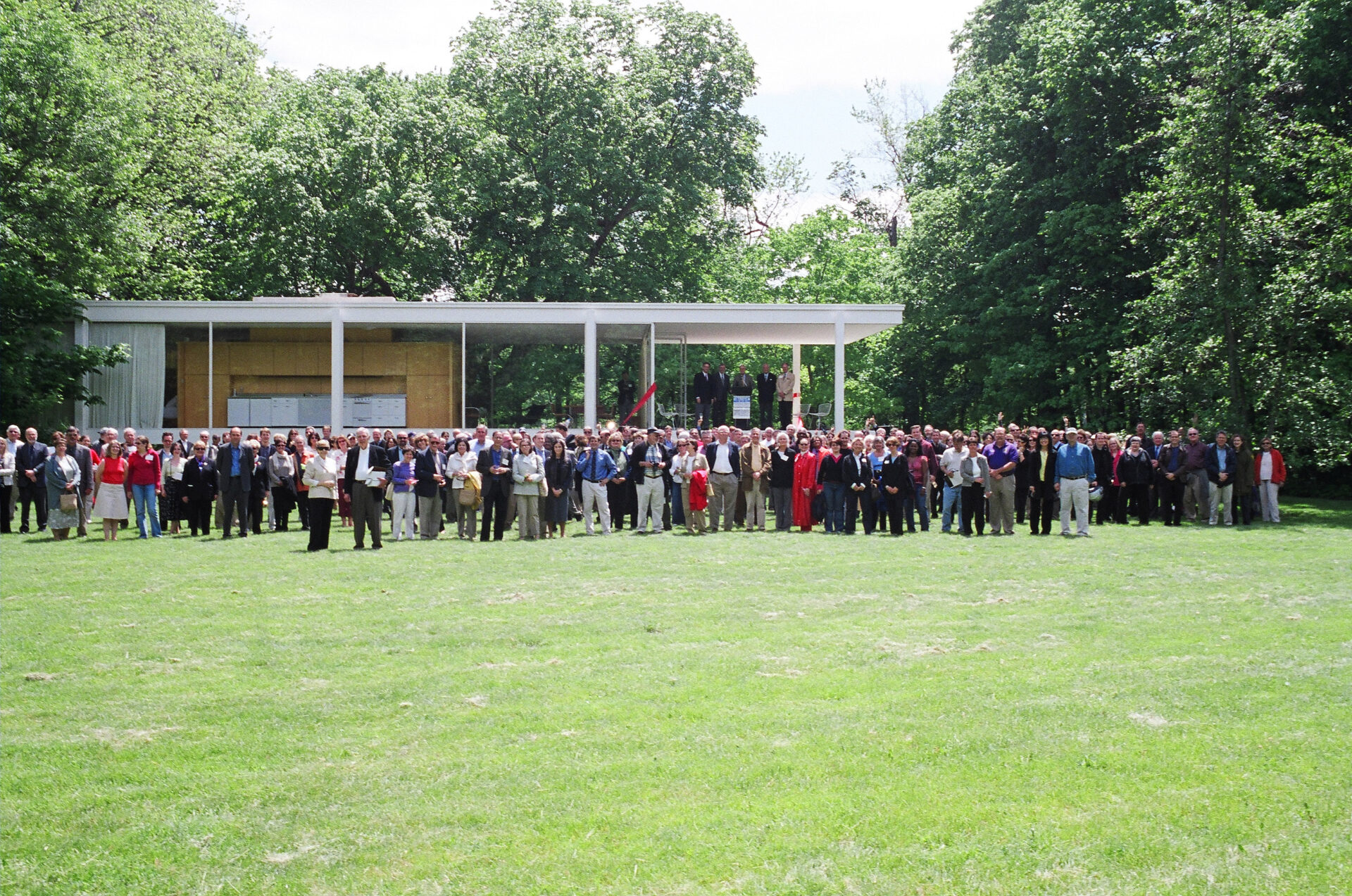
On May 1, Landmarks Illinois and the National Trust for Historic Preservation marked 20 years since opening the Edith Farnsworth House in Plano to the public. What it took to save the iconic Ludwig Mies van der Rohe-designed house was a “legendary” endeavor, Bonnie McDonald, President & CEO of Landmarks Illinois. Take a look back at the preservation effort that put Landmarks Illinois on the international stage two decades ago.
Read more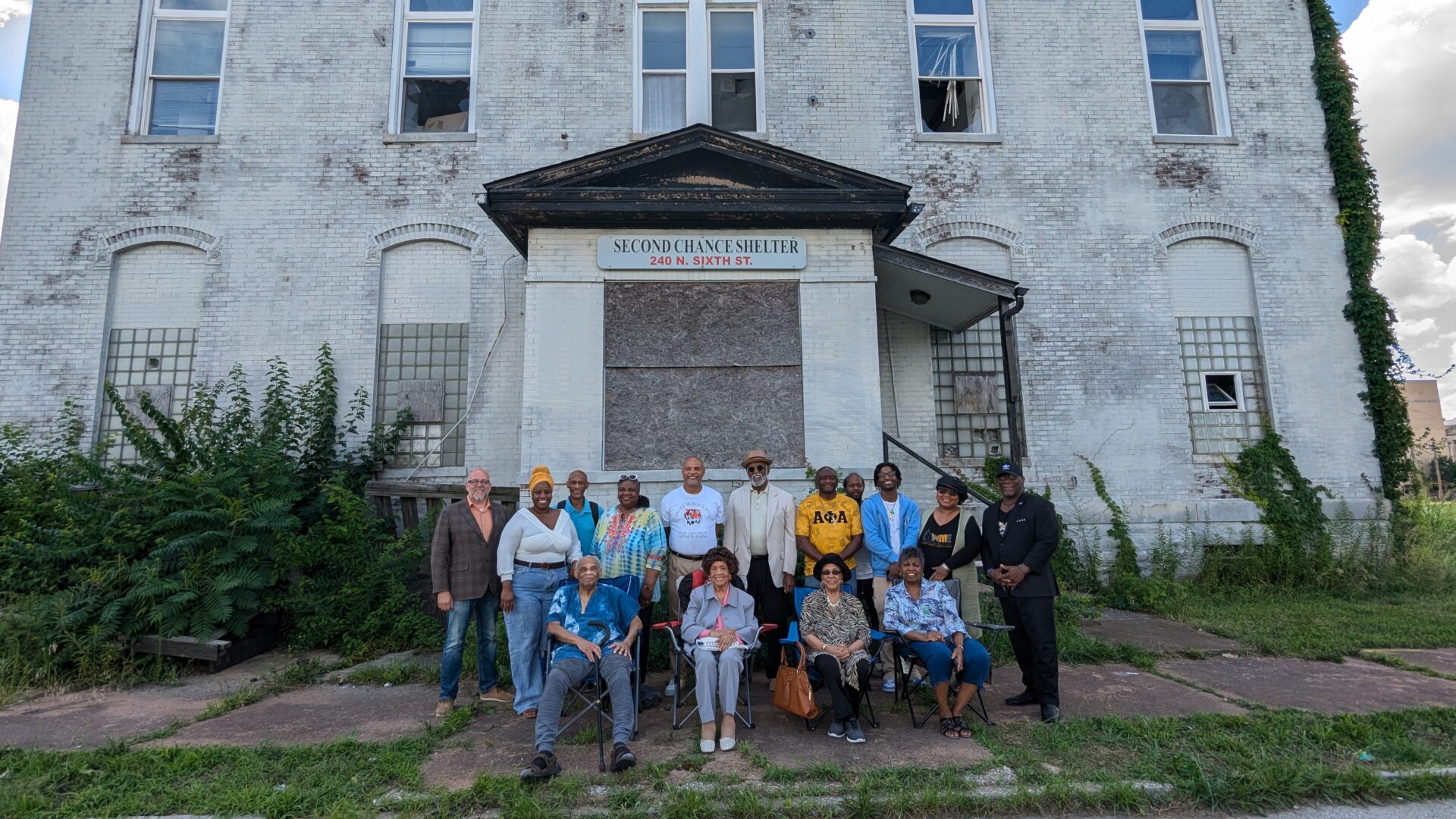
Our latest edition of the Monthly Preservation News Roundup shares progress on preservation efforts in East St. Louis, updates on Most Endangered suburban sites like Gilson Park in Wilmette and Alexander Brother Blacksmith Shop in Geneva and news about our Reinvestment Loan Program.
Read more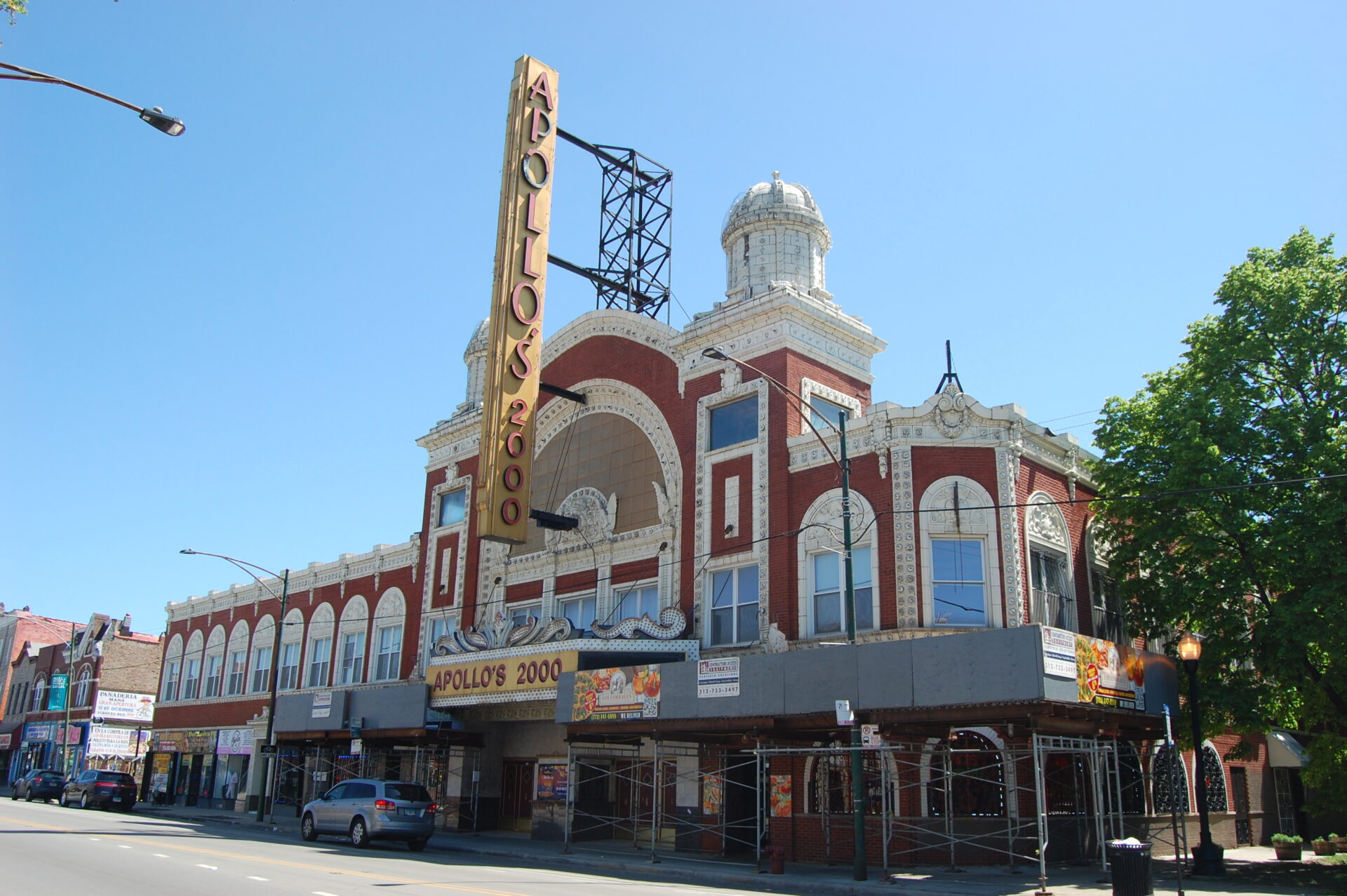
Apollo’s 2000 in Little Village became a Chicago Landmark in April. The former Marshall Square Theatre opened in 1917 and has remained an important fixture in the vibrant Mexican-American community. For the past 35 years, the Galindo family has owned and operated the event venue and concert hall. They even led the process to designate the Beaux Arts building as a local landmark. Here, they offer insight and tips on the owner-led landmarking process and share stories on how much the historic building means to their family.
Read more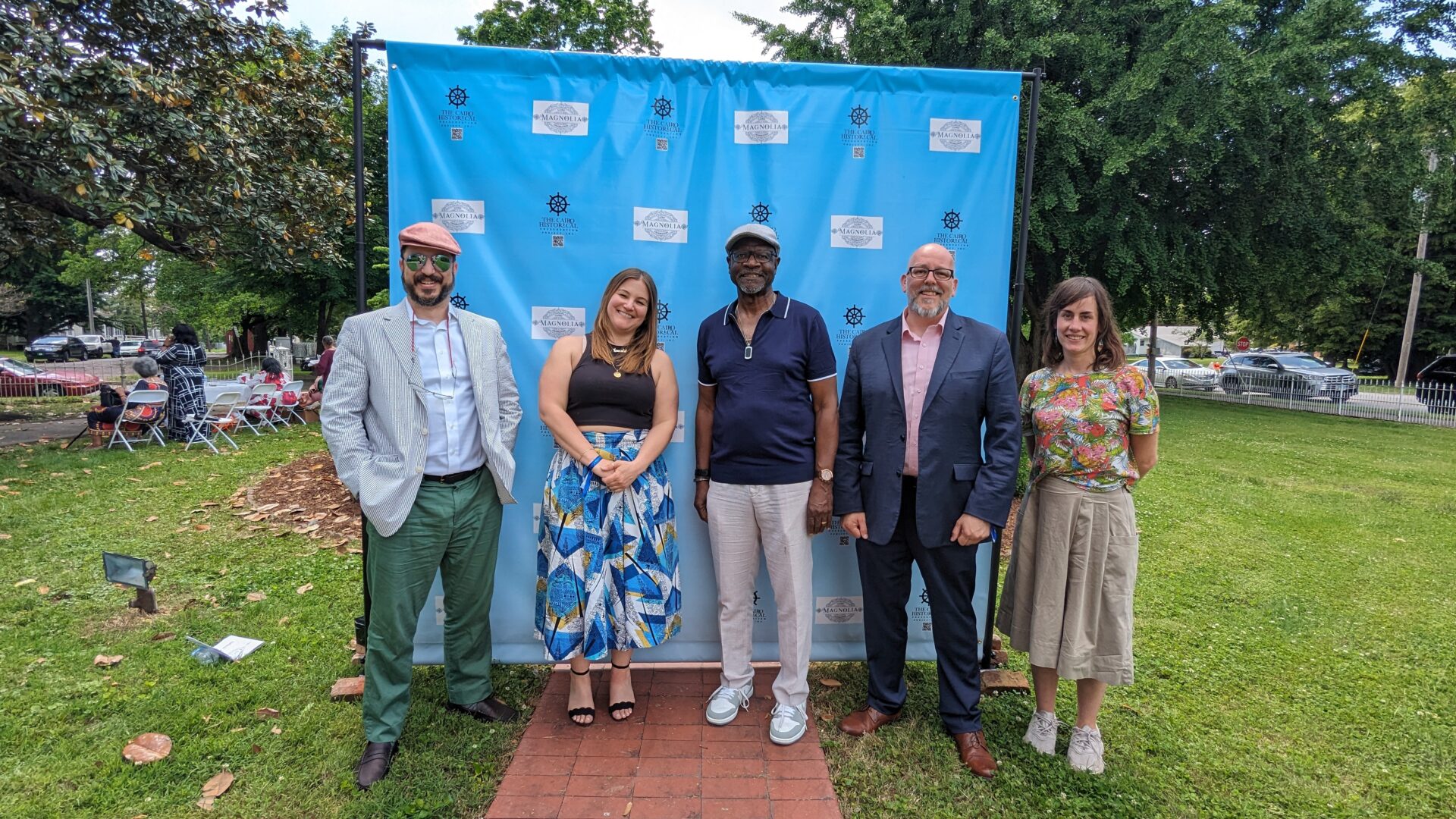
Learn about the nearly dozen Illinois communities Landmarks Illinois traveled to this month to support preservation efforts across the state and stay up to date on our upcoming programs and events! More in this edition of our monthly news roundup.
Read more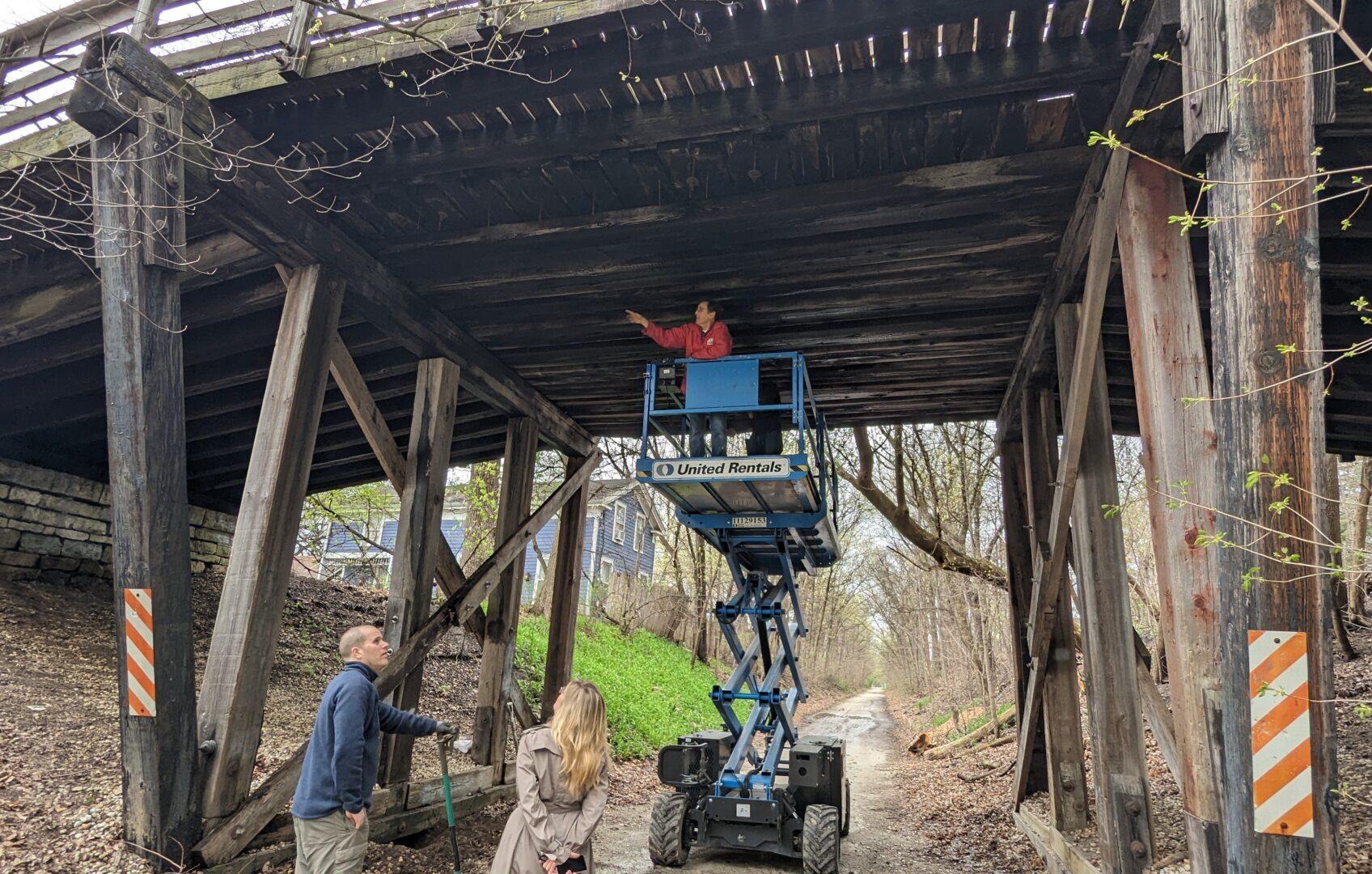
Check out some of the latest preservation successes as well as our upcoming events in the April edition of our monthly news roundup. We feature updates on former Most Endangered sites in Richmond, Millstadt, Chicago and Southern Illinois, highlight visits to Alto Pass, Carbondale and Richmond and provide updates on historic sites in Chicago currently under threat.
Read more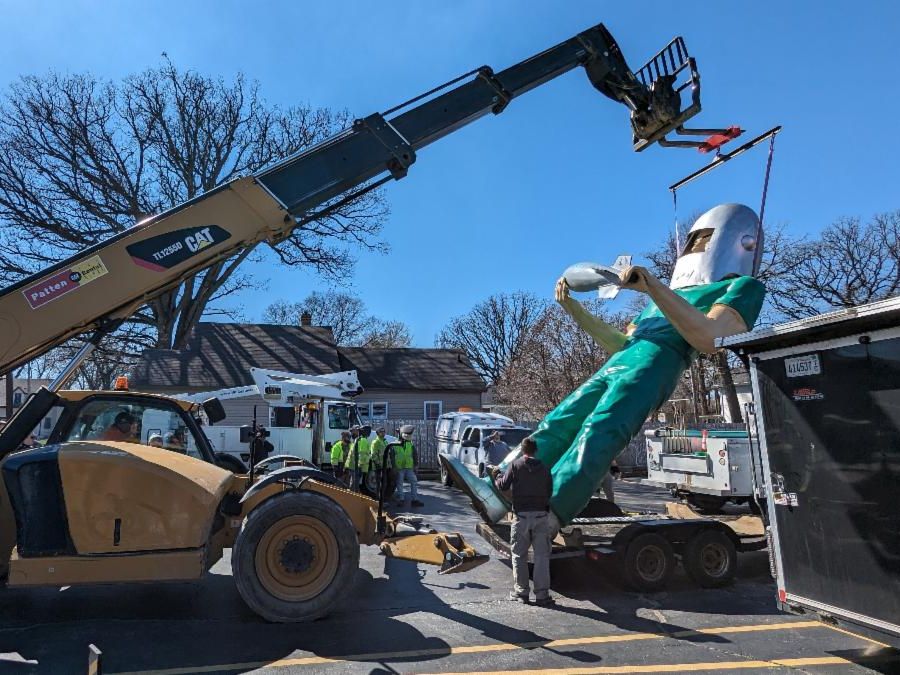
Learn about our preservation efforts around the state this month. In this edition of the monthly news roundup, we feature the successful effort to save the iconic Route 66 statue in Wilmington, the Gemini Giant, updates on the preservation of Old Joliet Prison and important reminders on upcoming grant application deadlines.
Read more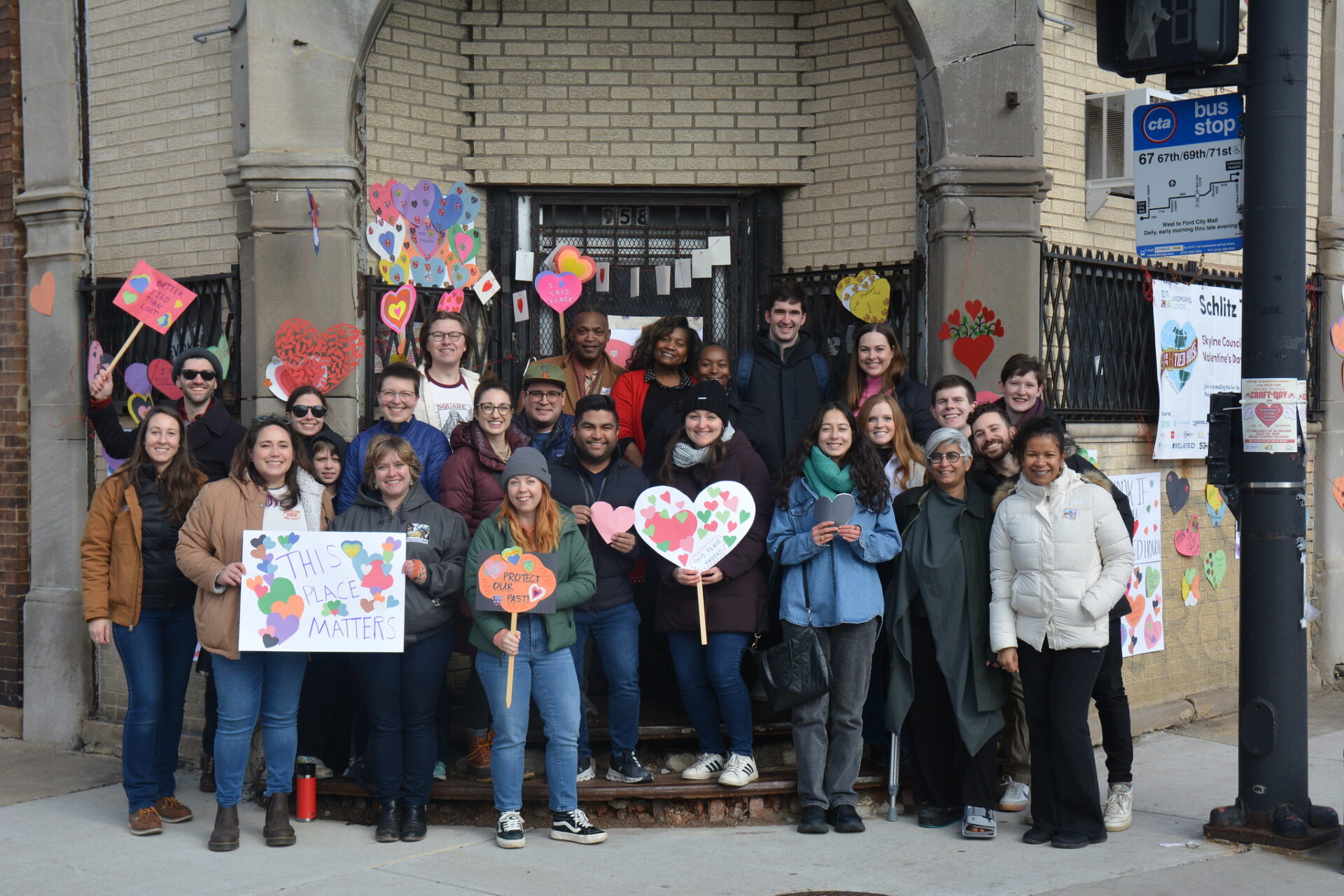
Read about the preservation efforts Landmarks Illinois supported in Englewood, Jacksonville, McKinley Park, Arlington Heights, Pilsen and more in this month’s edition of the Preservation News Roundup. We also feature upcoming programs and photos from our Valentine’s Day event at the Schltiz Tied House.
Read more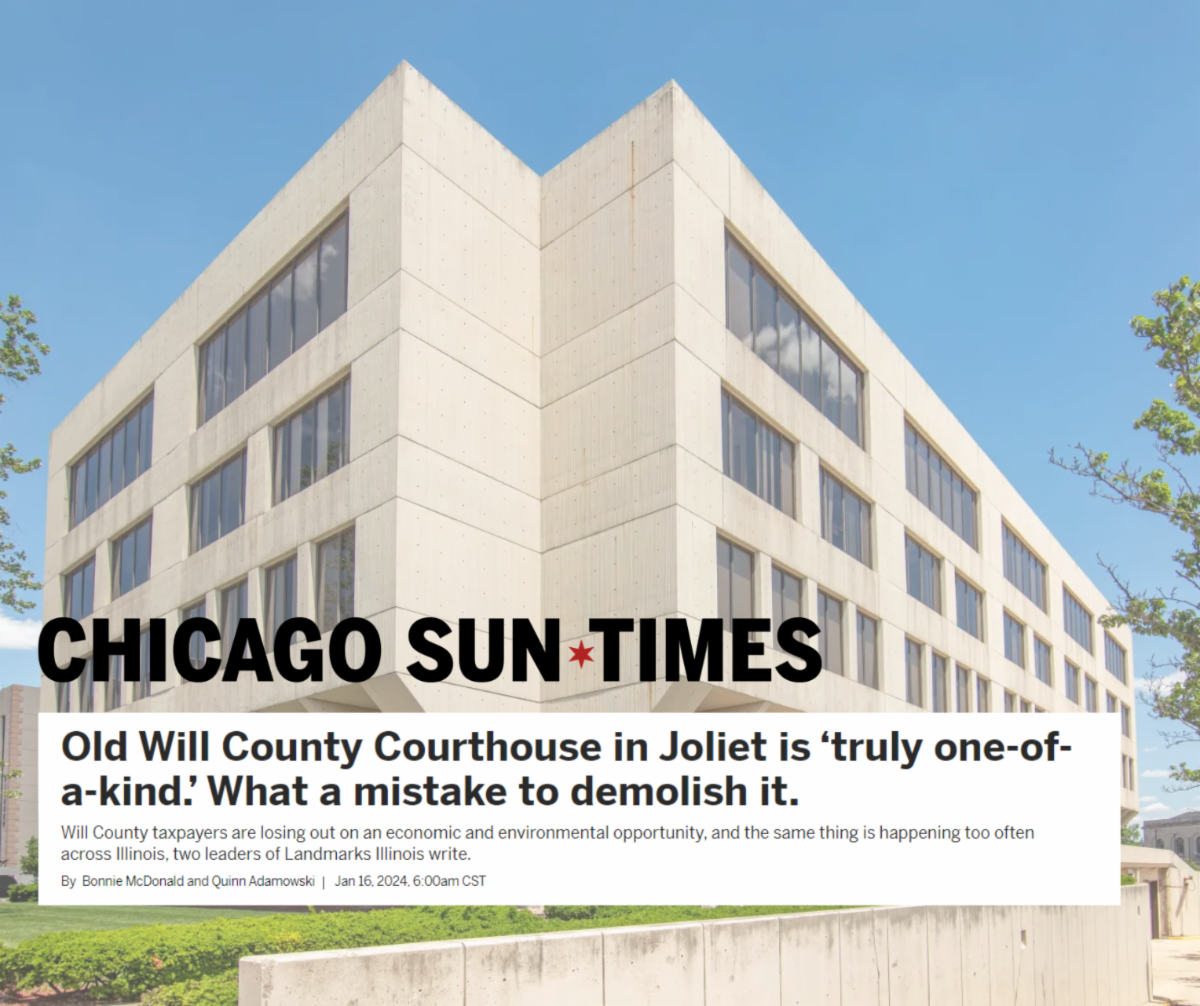
See how Landmarks Illinois kicked off the New Year in the latest edition of our Preservation News Roundup. This month, we feature multiple op-eds written by Landmarks Illinois staff on local and nationwide preservation topics (including the demolition of the Will County Courthouse), provide updates on our latest advocacy efforts in places like Evanston and Chicago and share a story about a notable effort to document and preserve unique “Mesker” buildings in Illinois. Read the full newsletter to learn more!
Read more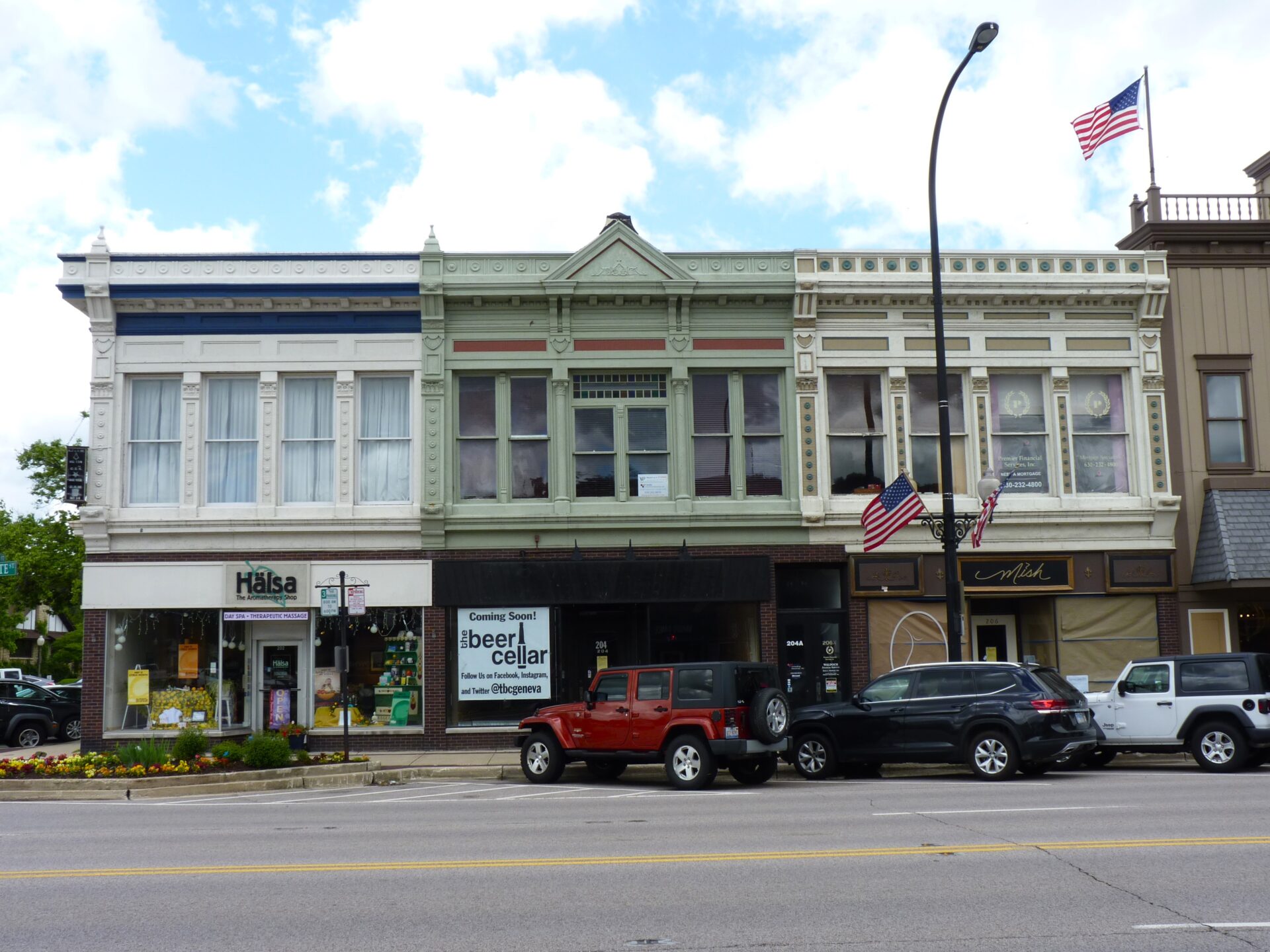
“Mesker” buildings feature facades made of galvanized steel and cast iron produced by the Mesker Brothers Iron Works of St. Louis, Missouri, and the George L. Mesker & Company of Evansville, Indiana. At one time, Illinois had more than 6,500 of these iconic Main Street buildings. Finding out where these Meskers were built and how many still stand today has been a nearly two-decade-long quest led by Darius Bryjka, a Project Reviewer at the Illinois State Historic Preservation Office with the Illinois Department of Natural Resources. Read our feature story on Bryjka’s diligent endeavor to document Illinois’ “Meskers.”
read more
Landmarks Illinois and the entire preservation community lost a friend and former leader, David Bahlman, late last year. Bahlman served as Landmarks Illinois President from 1999-2008 and led the organization through many high-profile preservation battles, including those at Old Cook County Hospital in Chicago and the Farnsworth House in Plano. In this tribute, a few of those who worked with Bahlman share fond memories of him and stories of his lasting legacy on the preservation field.
Read more
Our 2023 news roundup highlights Landmarks Illinois’ major advocacy efforts, projects, programs and events from 2023. From reaching new communities through our grants to new landmarks and updates on former Most Endangered sites, check out what all we were up to this year!
Read more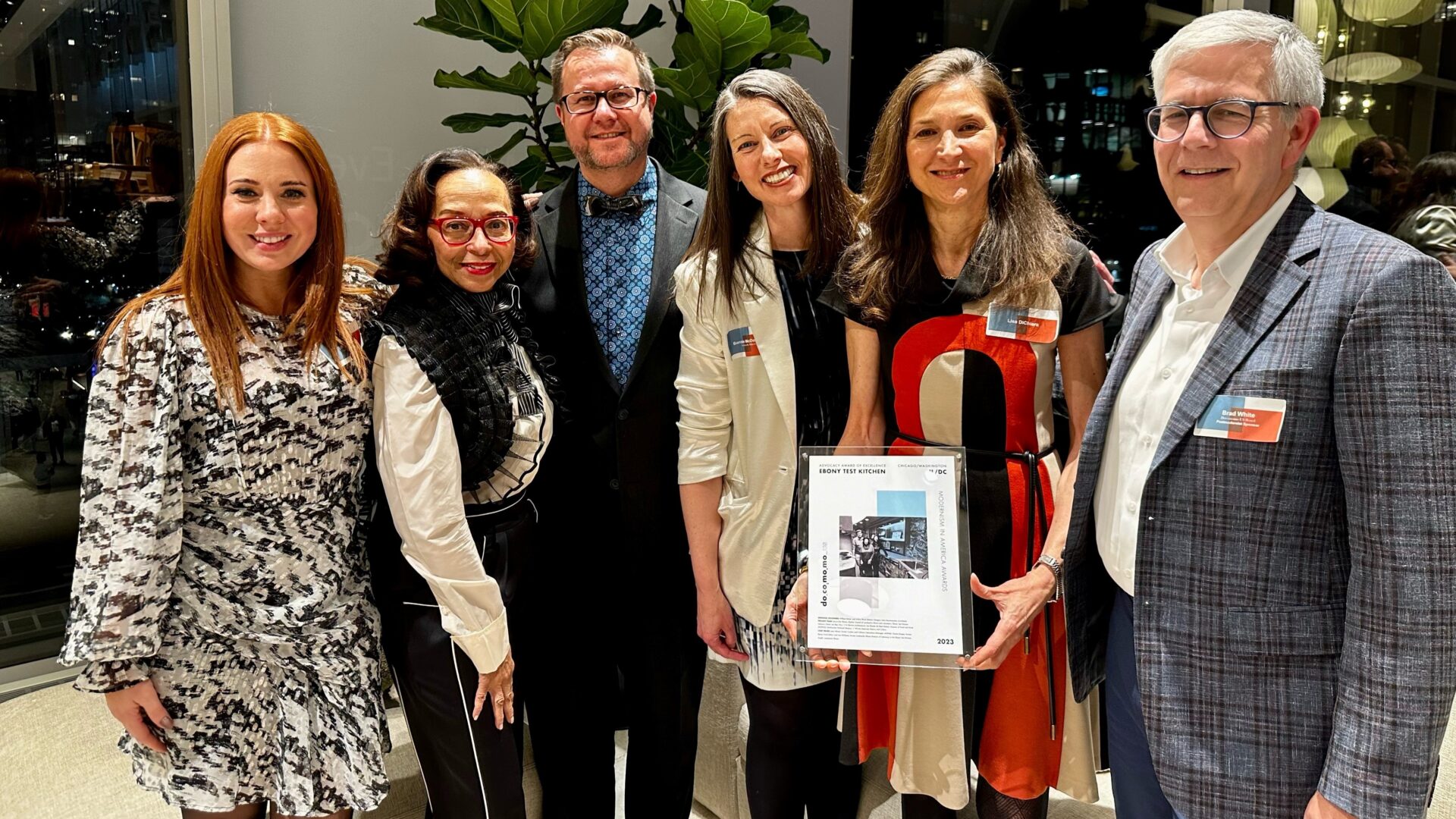
The Landmarks Illinois team went national this month, traveling to Washington D.C. to advocate for federal preservation legislation and to attend the National Trust for Historic Preservation’s PastForward conference and to New York City to accept a national award for saving the Ebony Test Kitchen. Also, check out The Relevancy Guidebook written by President & CEO Bonnie McDonald and more in this month’s edition of the preservation news roundup.
Read more
See photos from our 2023 Landmarks Illinois Richard H. Driehaus Foundation Preservation Awards and read about important updates at Most Endangered sites! This month’s news roundup also includes information on our upcoming fall events and positive developments for a number of historic sites moving closer to National Register listings.
Read more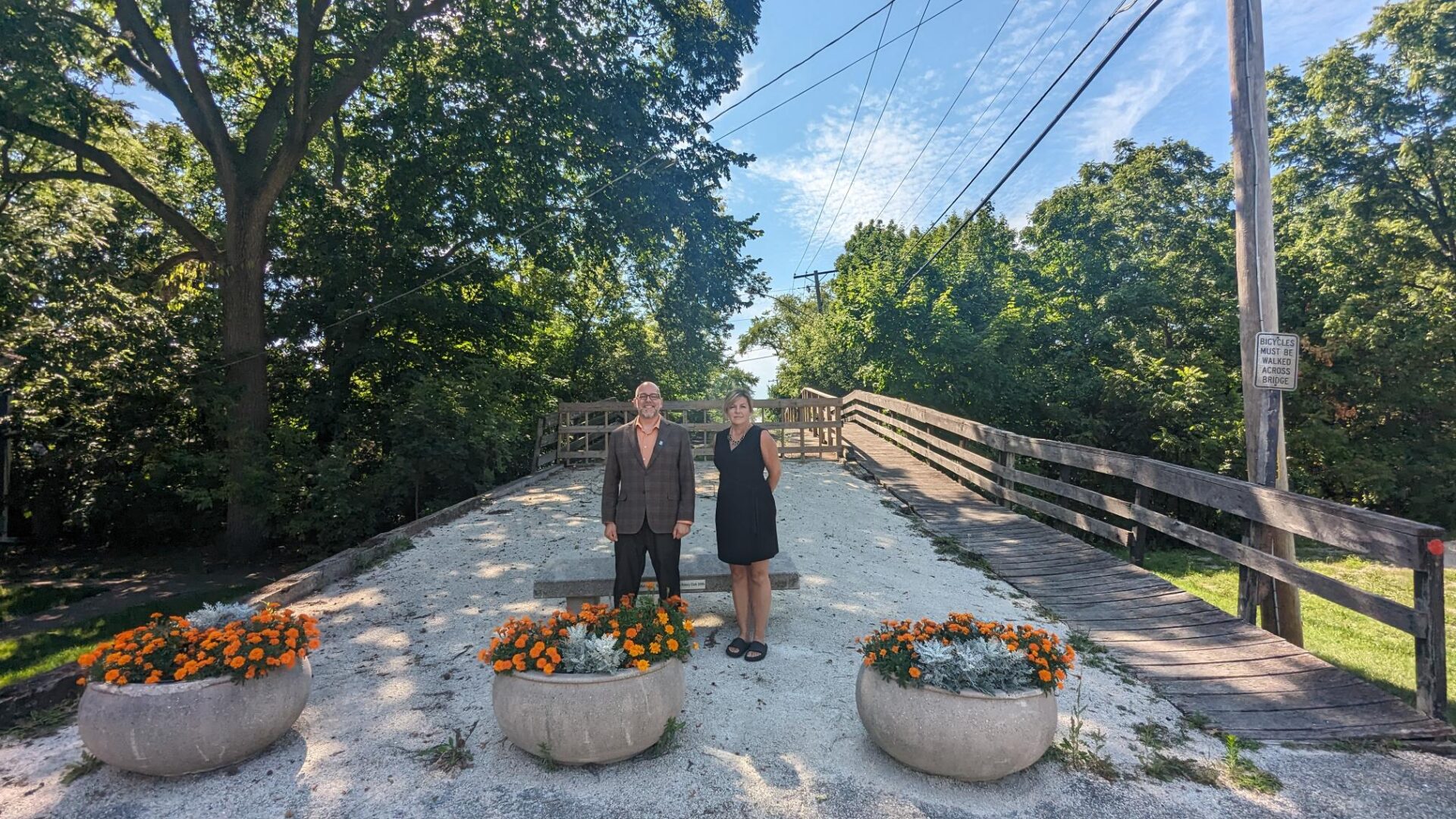
Landmarks Illinois celebrated numerous preservation successes this month, including on 2023 Most Endangered sites in Richmond, Chicago and Geneva, and we welcomed a new staff member. Check out the August 2023 edition of our monthly news roundup to learn more.
Read more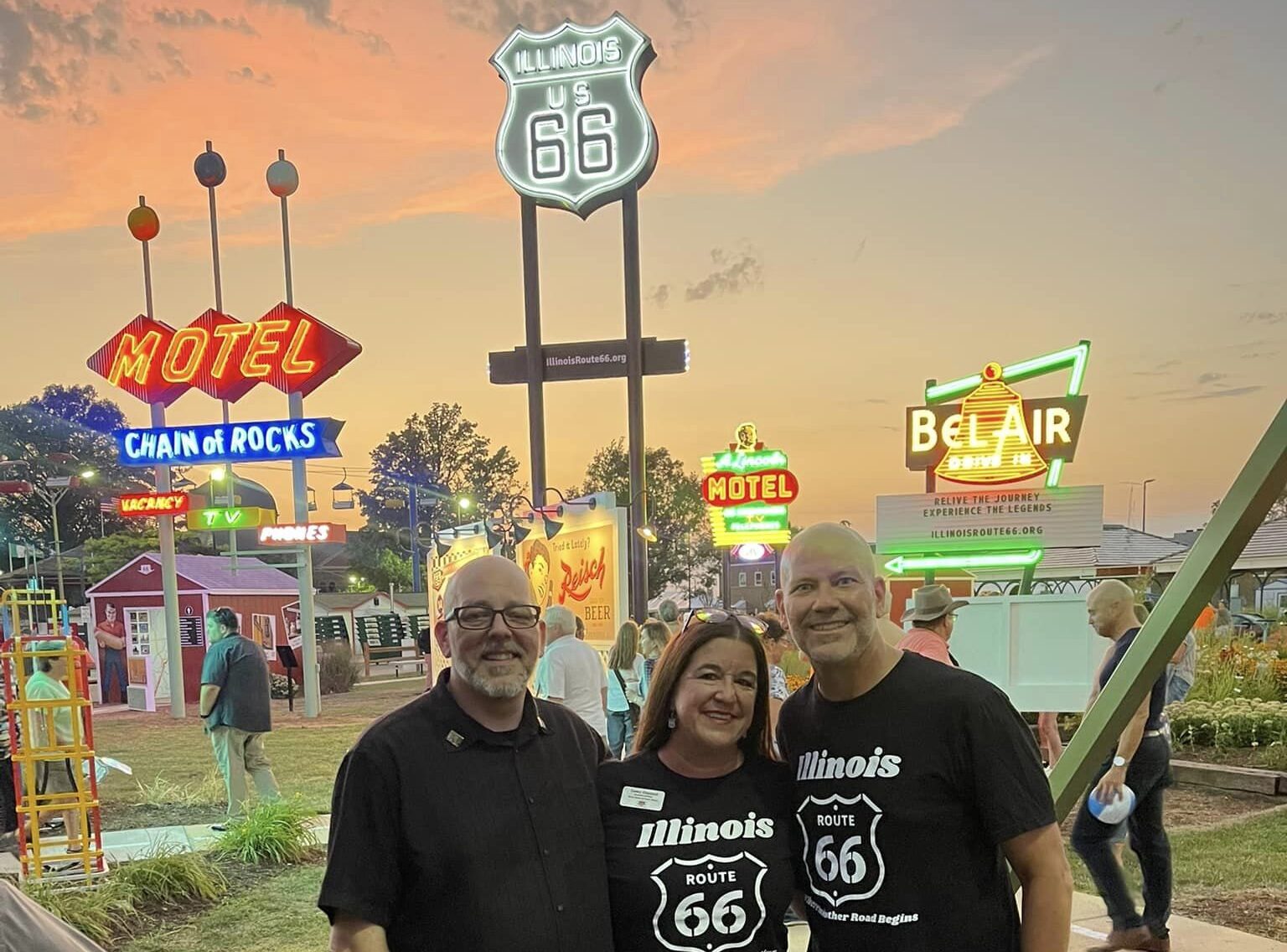
Landmarks Illinois has big news to share this month! We received a $1 million grant to support our Reinvestment Program Loan Fund, held an exclusive event at a 100-year-old landmark in Lincoln Park and celebrated the news about a new National Monument in Chicago. Plus, we have updates on Most Endangered sites in Geneva, Naperville, Will County, Glenview, Chicago and Danville.
Read more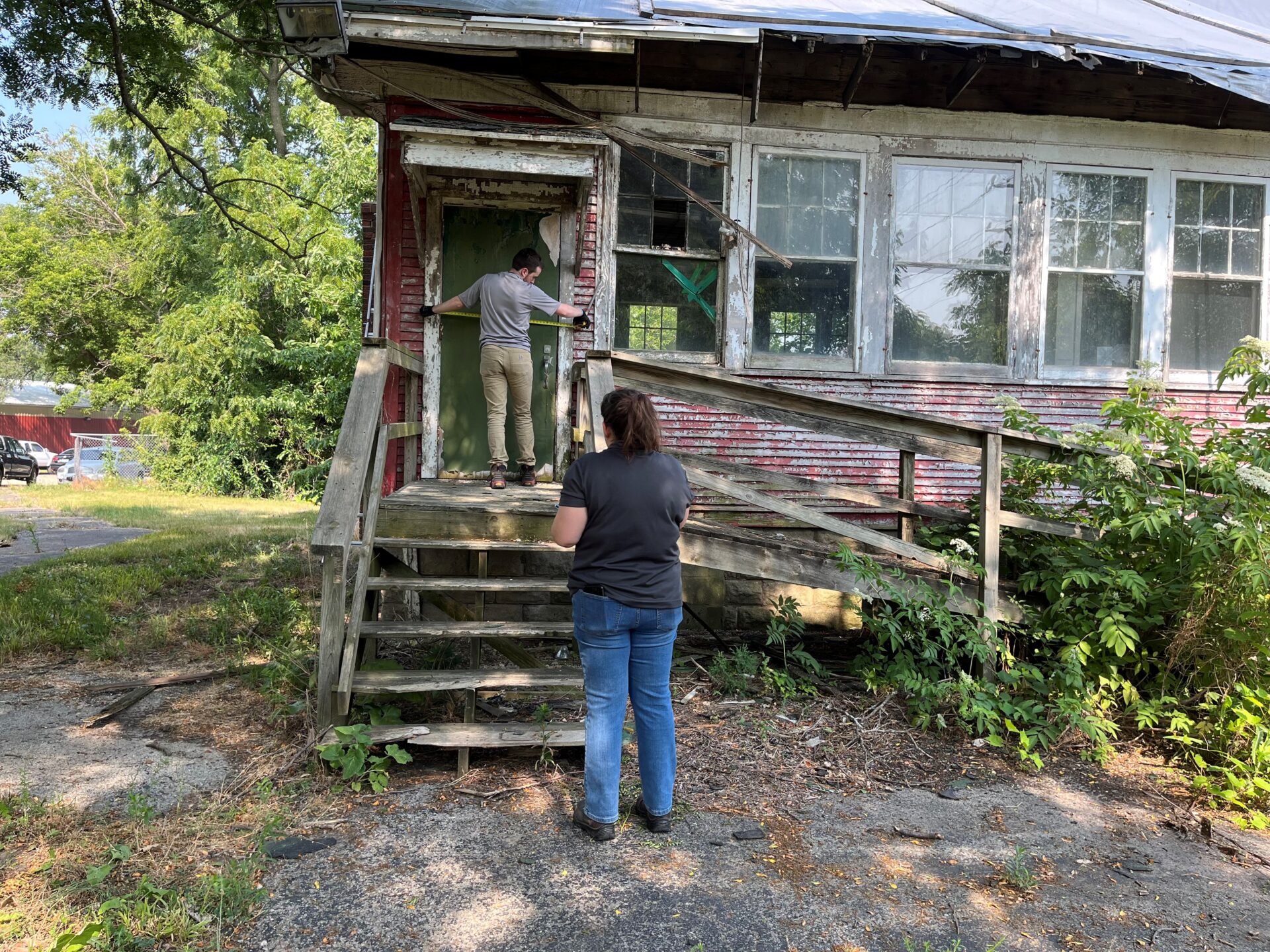
We finished our fiscal year with a packed month of June. Check out the latest edition of our Preservation News Roundup to see where Landmarks Illinois helped people save places this month — from a pro bono condition assessment in West Chicago (pictured) to discovering the history of Highwood and Fort Sheridan and celebrating restoration work in Gibson City. Our biggest news of the month, aside from awarding more than $30K in grant funds to projects across Illinois, was donating a piece of Chicago history to a national institution.
Read more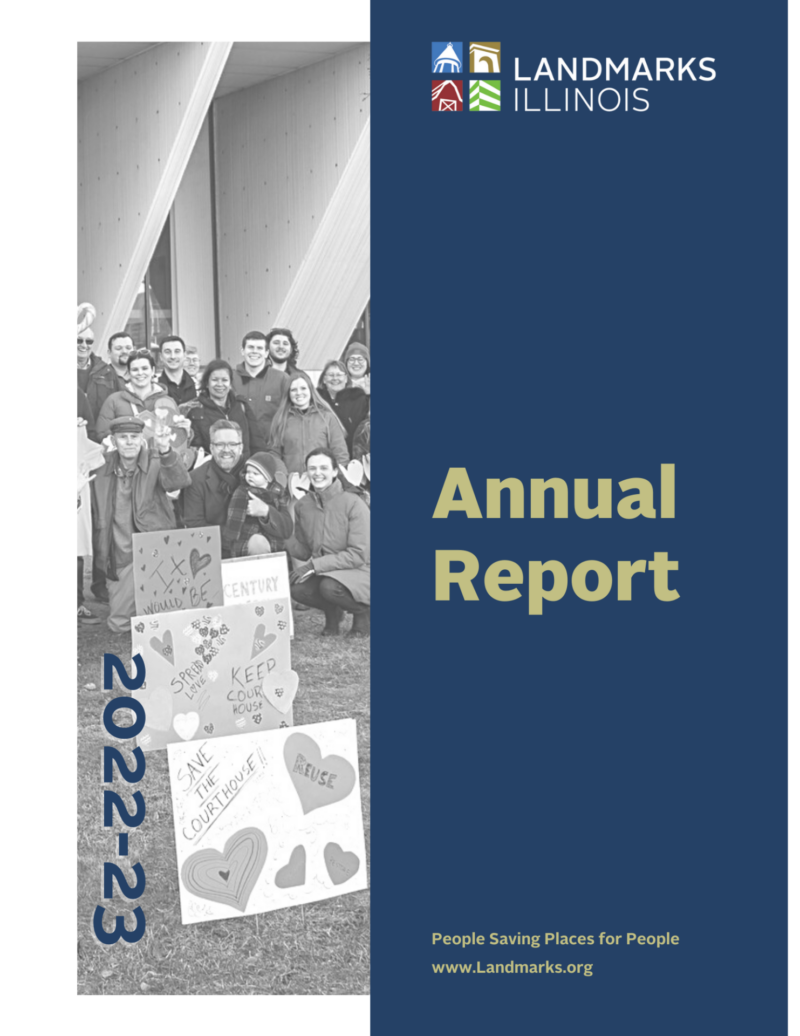
Landmarks Illinois has released its 2022-2023 Annual Report. The report features preservation success stories from our latest fiscal year, which runs July 1 through June 30. It provides a glimpse at the places across Illinois we helped save in the last 12 months and the communities we worked with.
Read more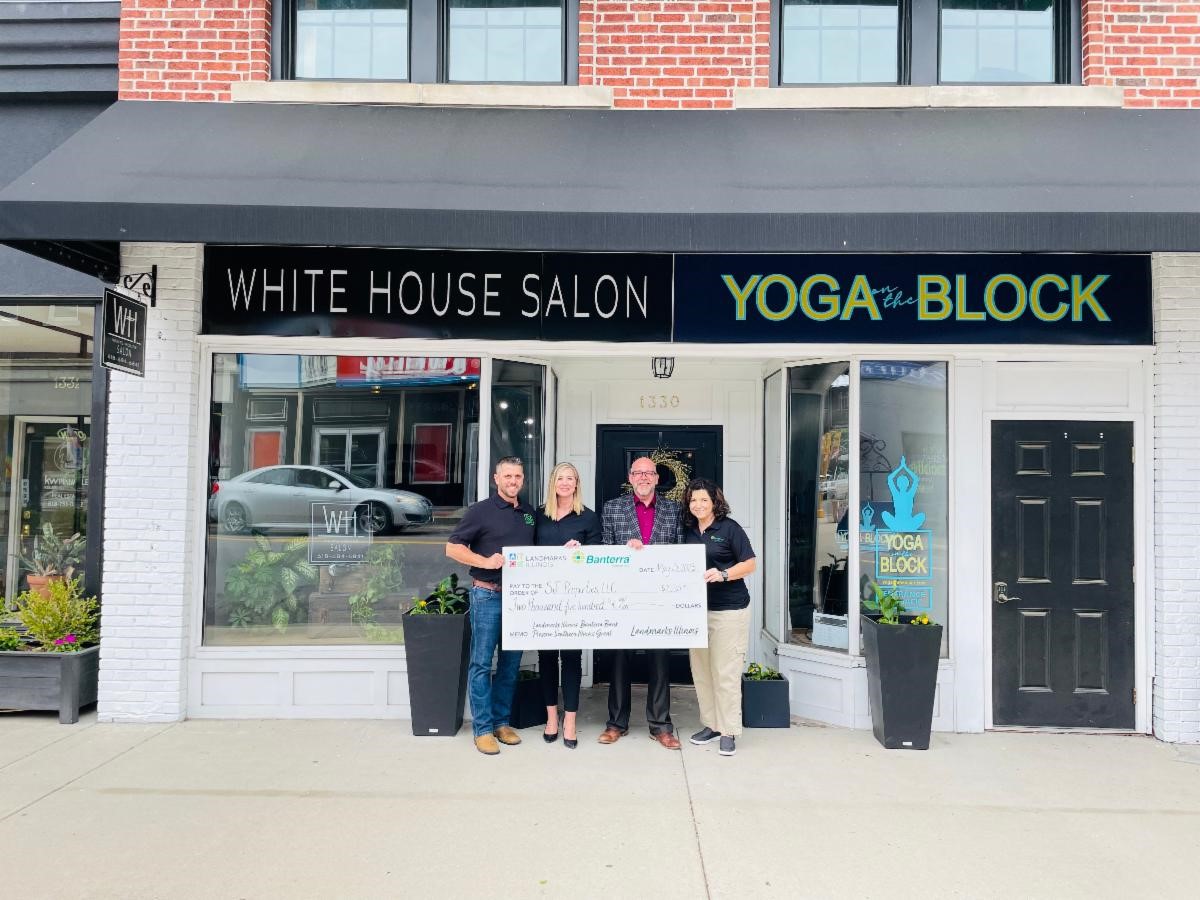
Read the latest edition of our Preservation News Roundup to see all we were up to during the busy month of May! We visited more than a dozen communities to present grants, talk to local residents about their preservation needs and advocate for important preservation incentives and historically significant places. Also check out our latest events and upcoming programs!
Read more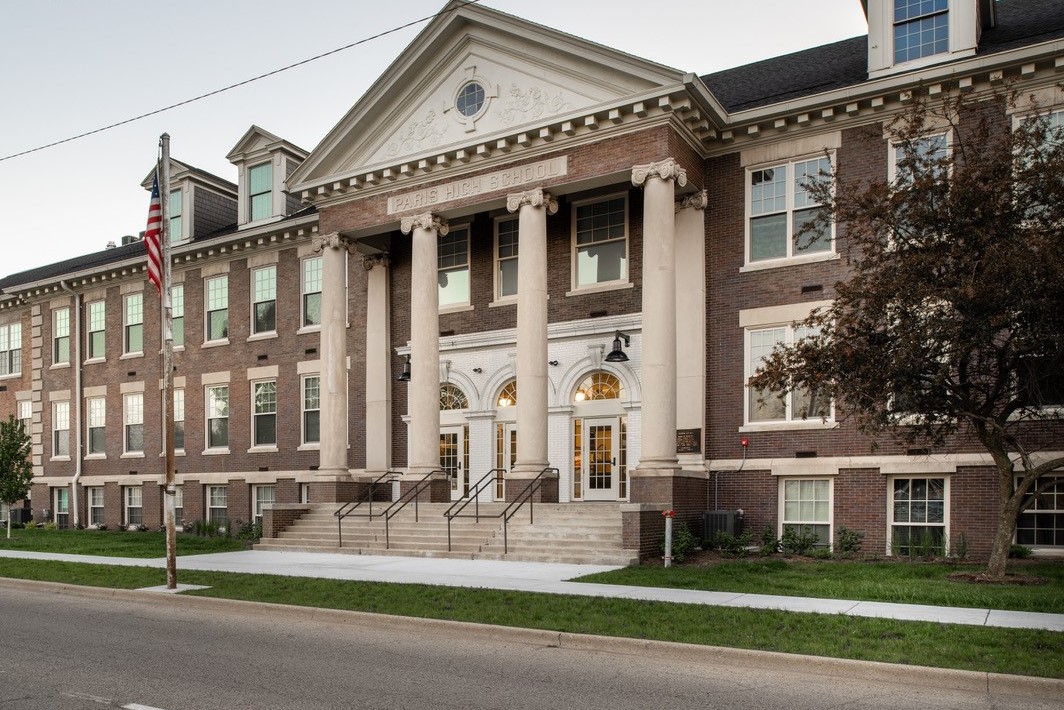
Jayne Lourash, Executive Director of the Laborers’ Home Development Corporation and Landmarks Illinois Board Member, talks about how reusing historic places can help alleviate the housing shortage in Illinois and beyond.
Read more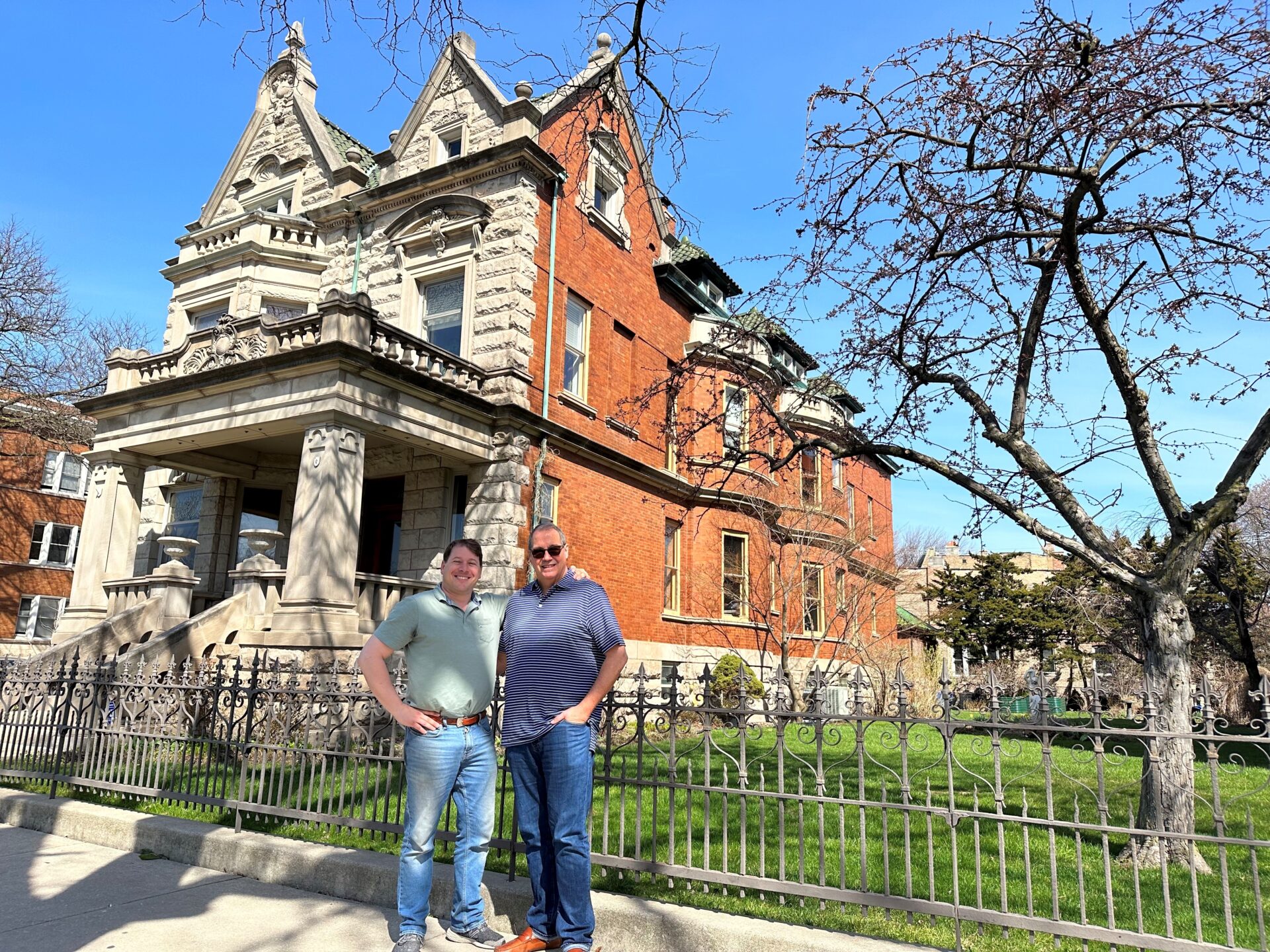
The Jefferson Ice House is one of the most prominent small residential buildings in Logan Square’s landmark district. Its owners David Berkey and Andrew Schneider have secured its protection by donating a preservation easement to Landmarks Illinois for the property. The easement will not only protect the exterior of the house but also preserve the side yard as open space.
Read more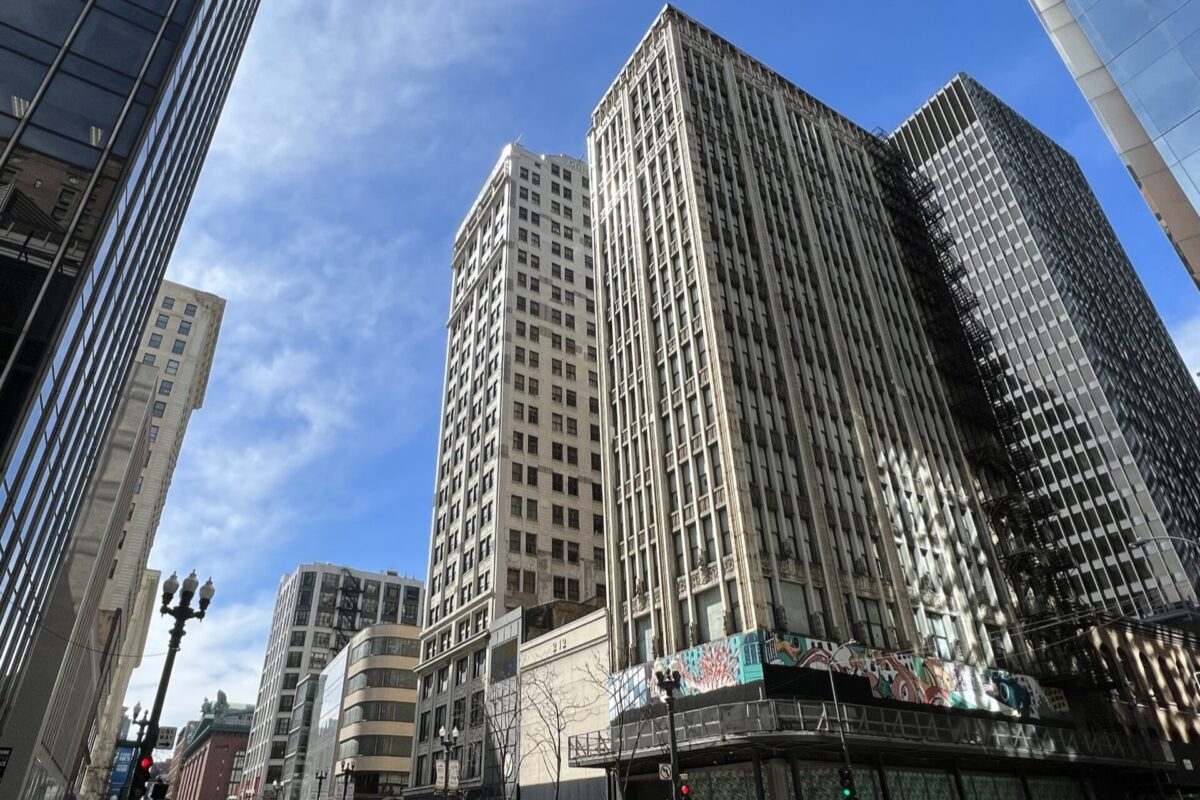
The Century and Consumers Buildings have been named to the National Trust for Historic Preservation’s 2023 11 Most Endangered Historic Places in America. Landmarks Illinois included this pair of Chicago-School skyscrapers at 202 and 220 S. State St. on our own Most Endangered Historic Places in Illinois lists in 2022 and 2023 due to the threat of demolition by owner the General Services Administration (GSA).
Read More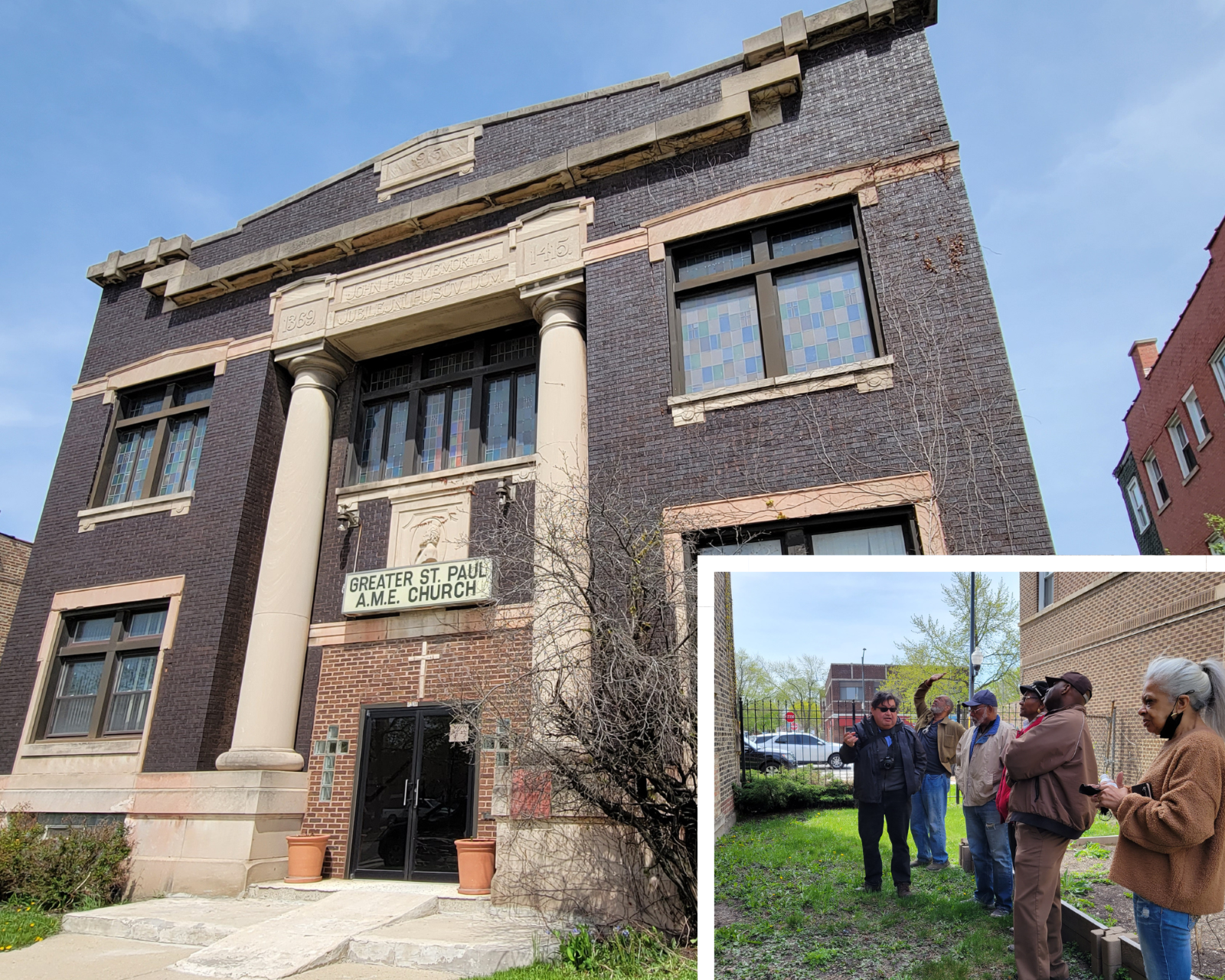
See what Landmarks Illinois was up to this month! We traveled to Springfield again to testify in support of expanding and extending the state historic preservation tax credit, conducted site visits to historic places on Chicago’s South and West Sides and advocated for architecturally significant places in the suburbs. Read our monthly preservation news roundup to learn more.
Read more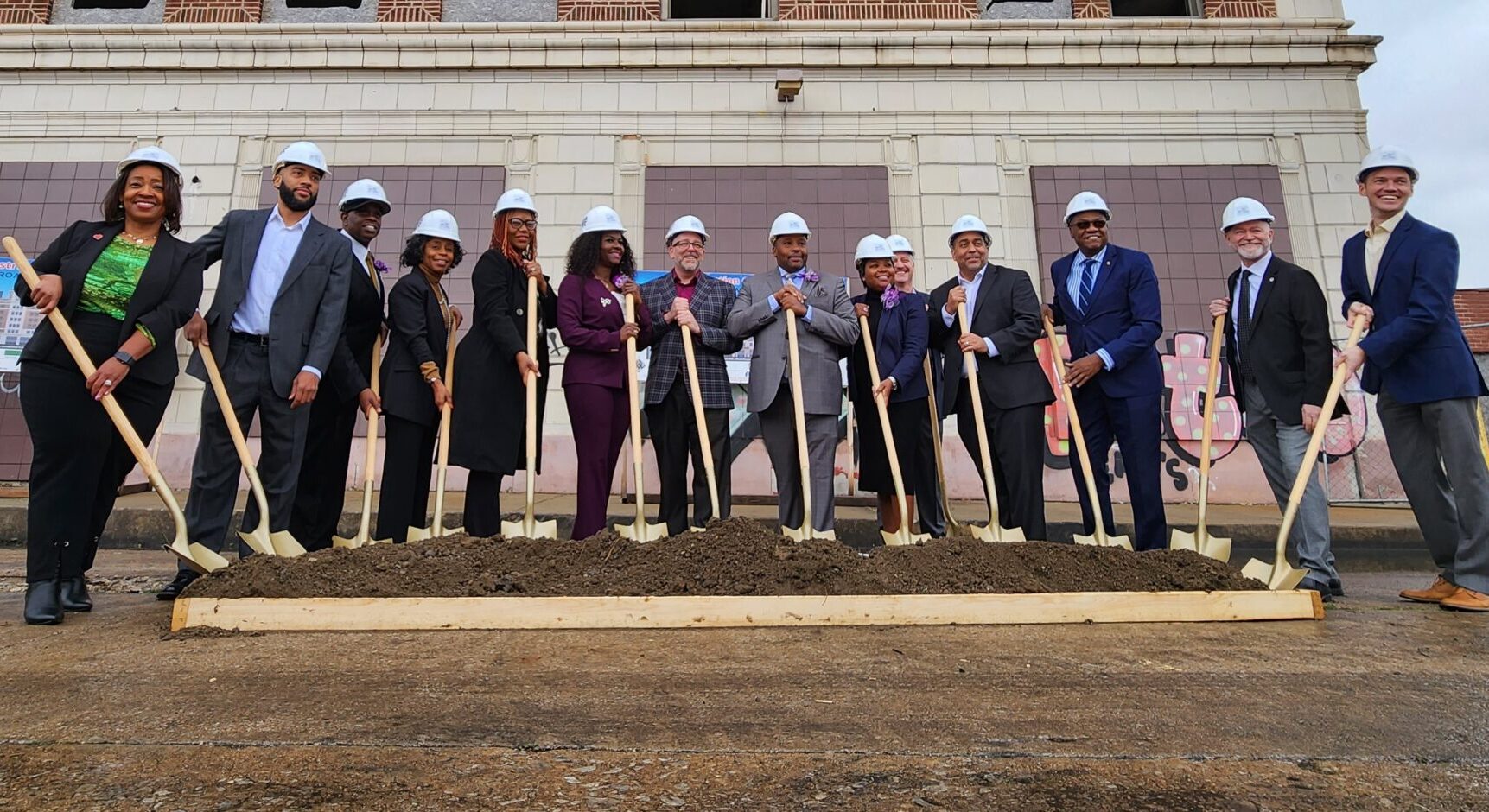
This month, we have numerous updates on former Most Endangered sites, including the Broadview Hotel in East St. Louis, the McAuley Schoolhouse in West Chicago and the Will County Courthouse in Joliet. Check out what all Landmarks Illinois was up to in March!
Read more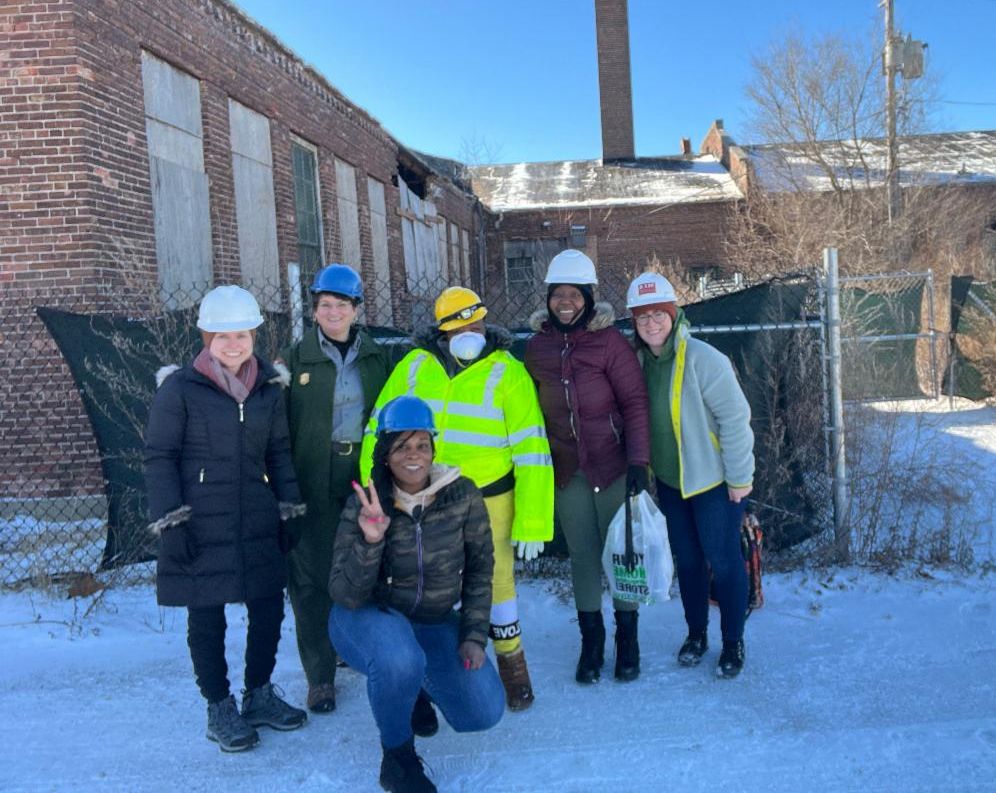
Landmarks Illinois awarded grants to preservation projects across the state this month and connected local advocates in Chicago to pro bono condition assessments on their historic buildings. Check out this month’s edition of the Preservation News Roundup to learn more about these preservation projects and our other work during February, like the heart bomb at the Will County Courthouse.
Read more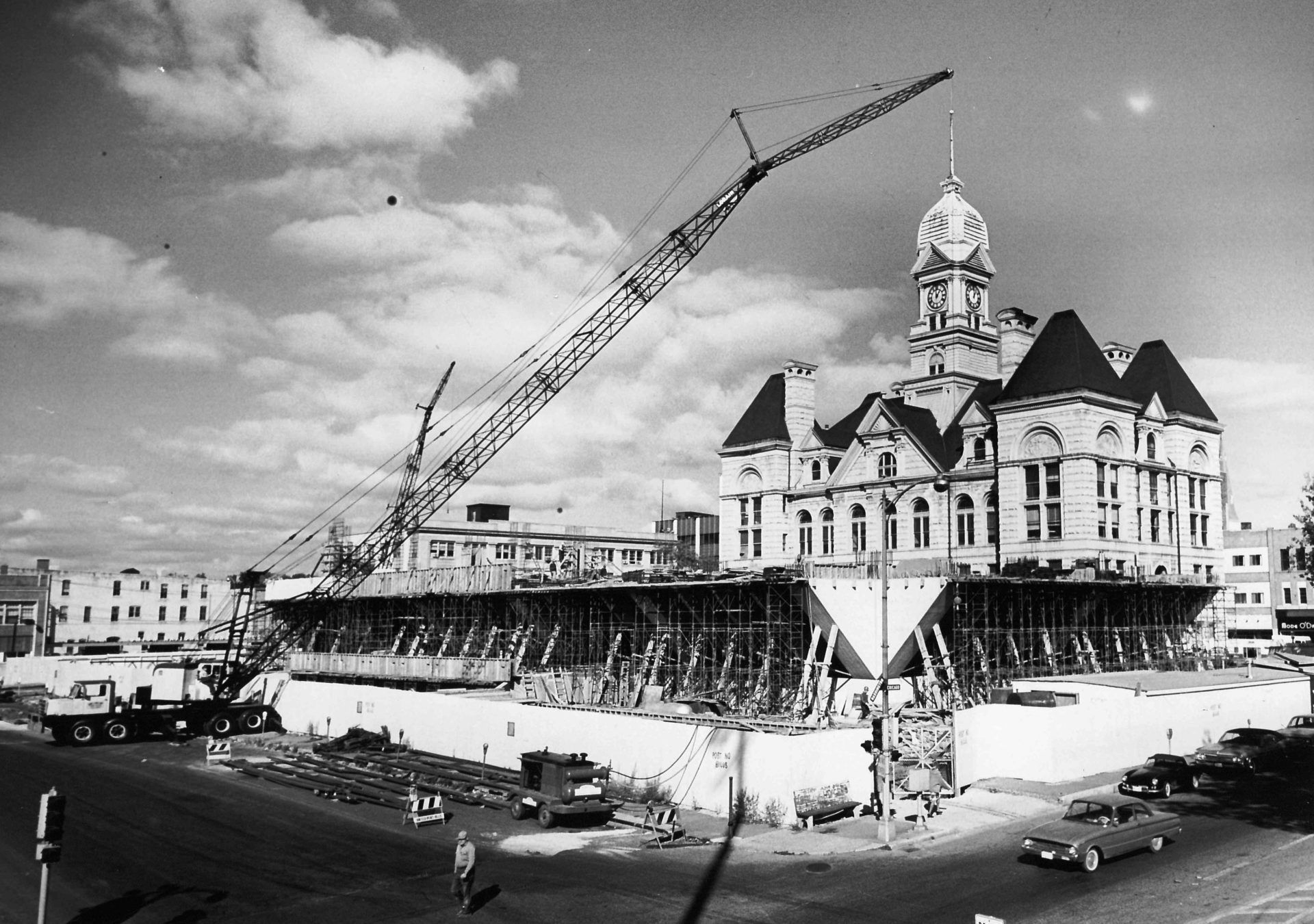
In 1964, Barry Goldberg was a Design Structural Engineer at C.F. Murphy Associates, the architectural firm where Otto Stark worked when he designed the former Will County Courthouse. The building was a feat of engineering, constructed of cast-in-place reinforced concrete and built on top of solid Joliet Limestone. Today, it is threatened with demolition as it sits vacant and without plans for reuse. In this guest article, Goldberg shares his experience as an engineer executing Stark’s vision for this unapologetically Brutalist-style building.
Read more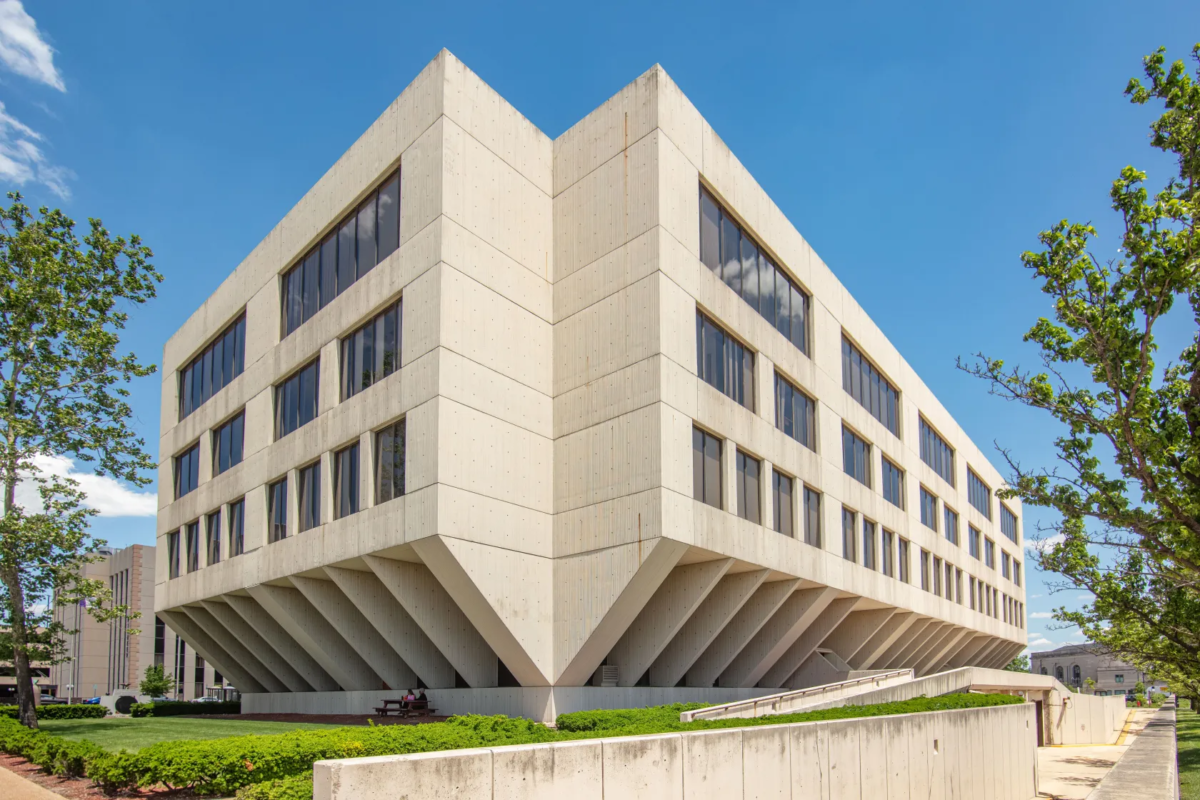
Check out how Landmarks Illinois started off the New Year. In January, we hosted Skyline Council’s popular Trivia Night and announced this year’s heart bomb event. We also celebrated our newest preservation easement in Chicago’s Logan Square neighborhood and launched a new advocacy effort to save the Will County Courthouse in Joliet, a 2022 Most Endangered site. Learn more in this month’s news roundup! (Photo credit: Lee Bey)
Read more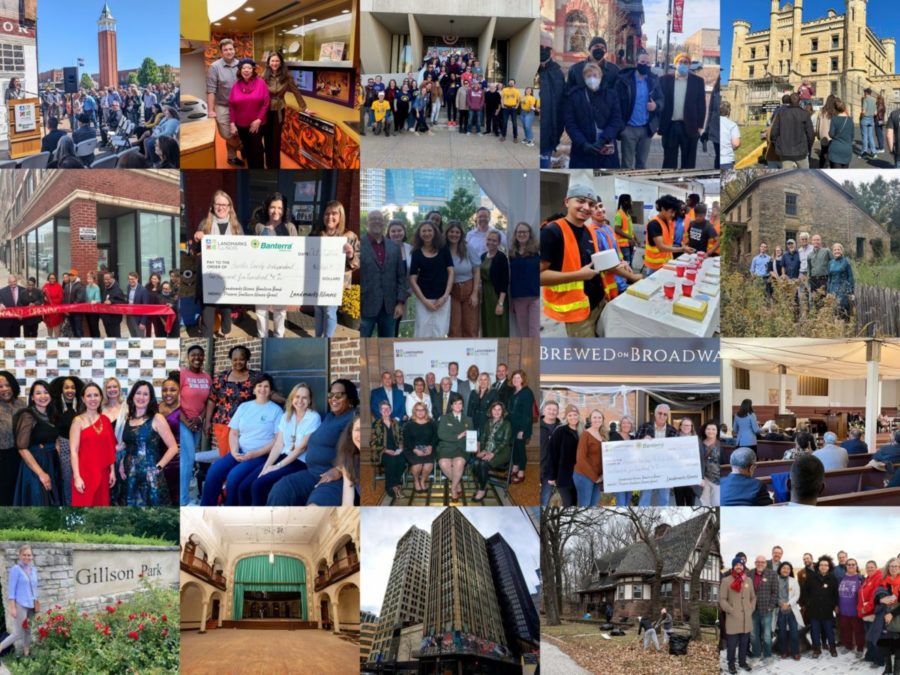
Our year-end roundup features Landmarks Illinois’ major advocacy efforts, projects, programs and events of 2022. Thank you to all our partners, on-the-ground advocates, members and supporters for joining us this year as we helped people across Illinois save places.
Read more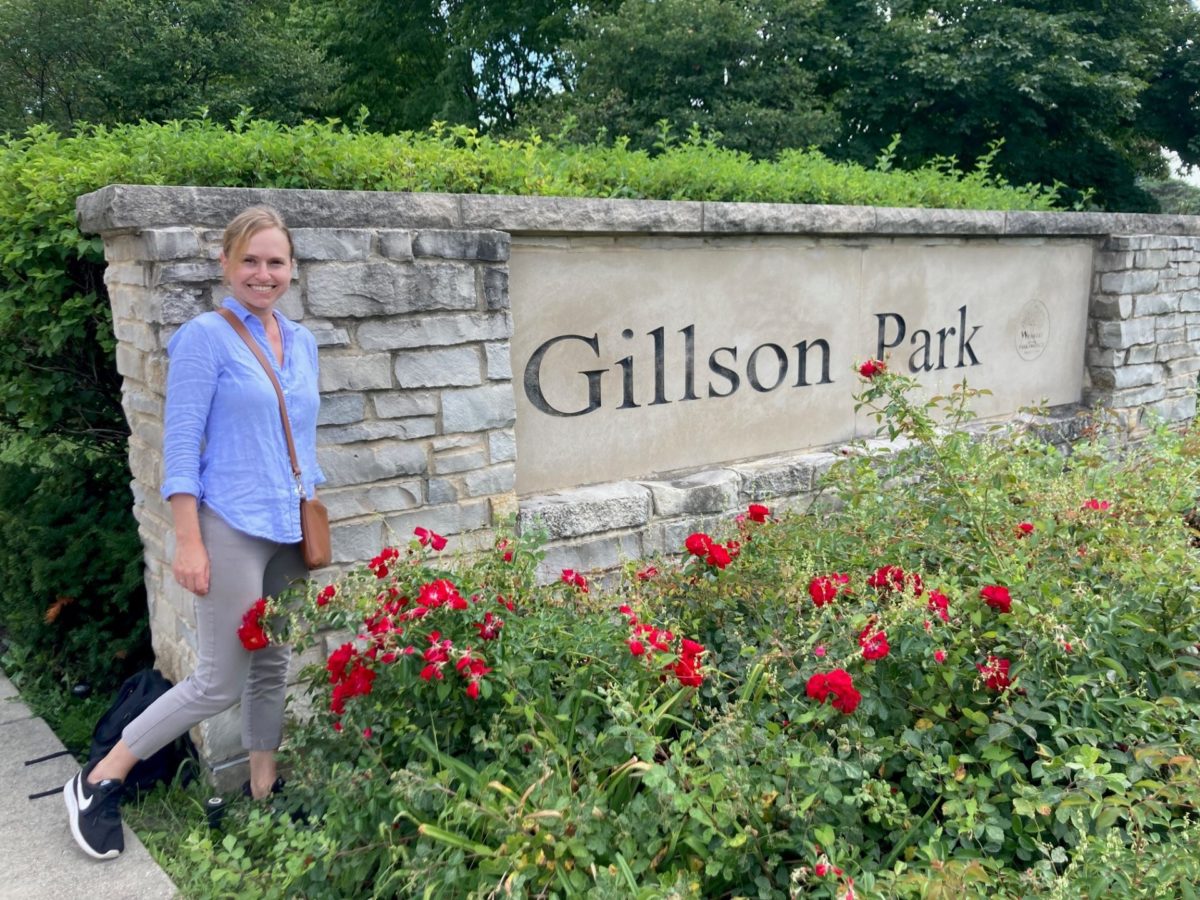
Landmarks Illinois proudly welcomed Kendra Parzen this summer as its new Advocacy Manager. In her new role, Kendra supports preservation across Chicago and its suburbs, collaborating with local advocates to help them save and reuse historic places. Here, Quinn Adamowski, Landmarks Illinois Regional Advocacy Manager, talks with Kendra about her career in historic preservation and what excites her about her position here at Landmarks Illinois.
Read more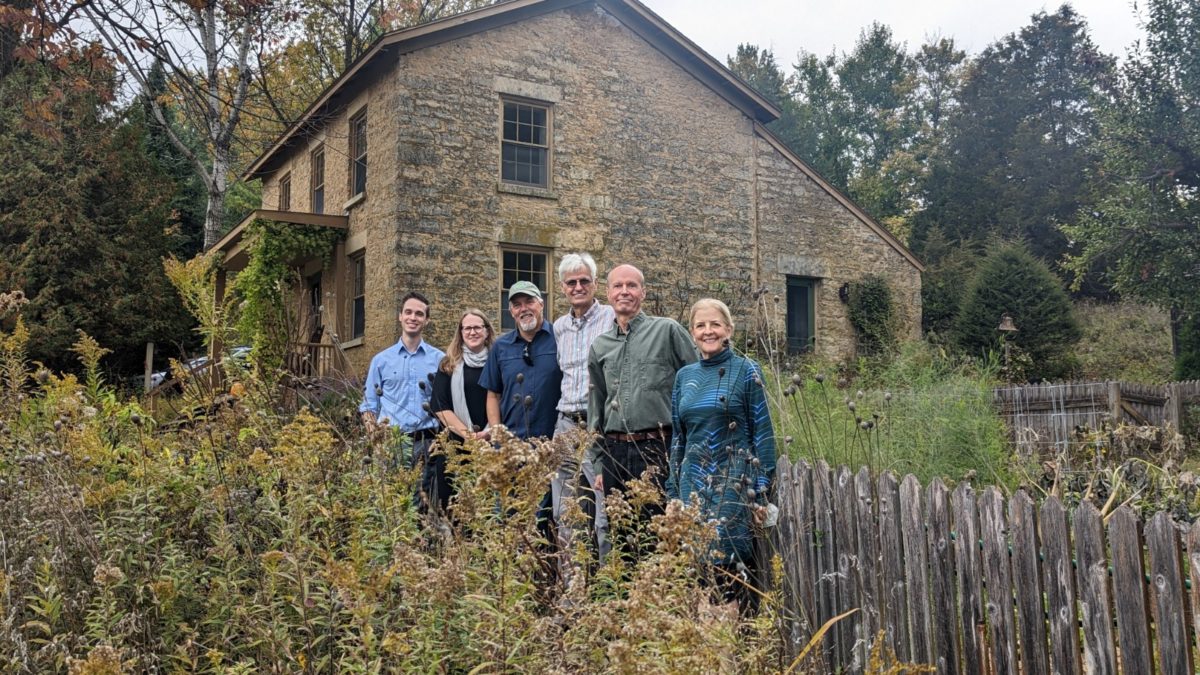
Landmarks Illinois accepted a preservation easement this year on the nationally landmarked Charles Wenner House in Galena. A conservation easement on the 68 acres of natural land that surrounds the historic home makes this easement a unique one for the organization.
Read more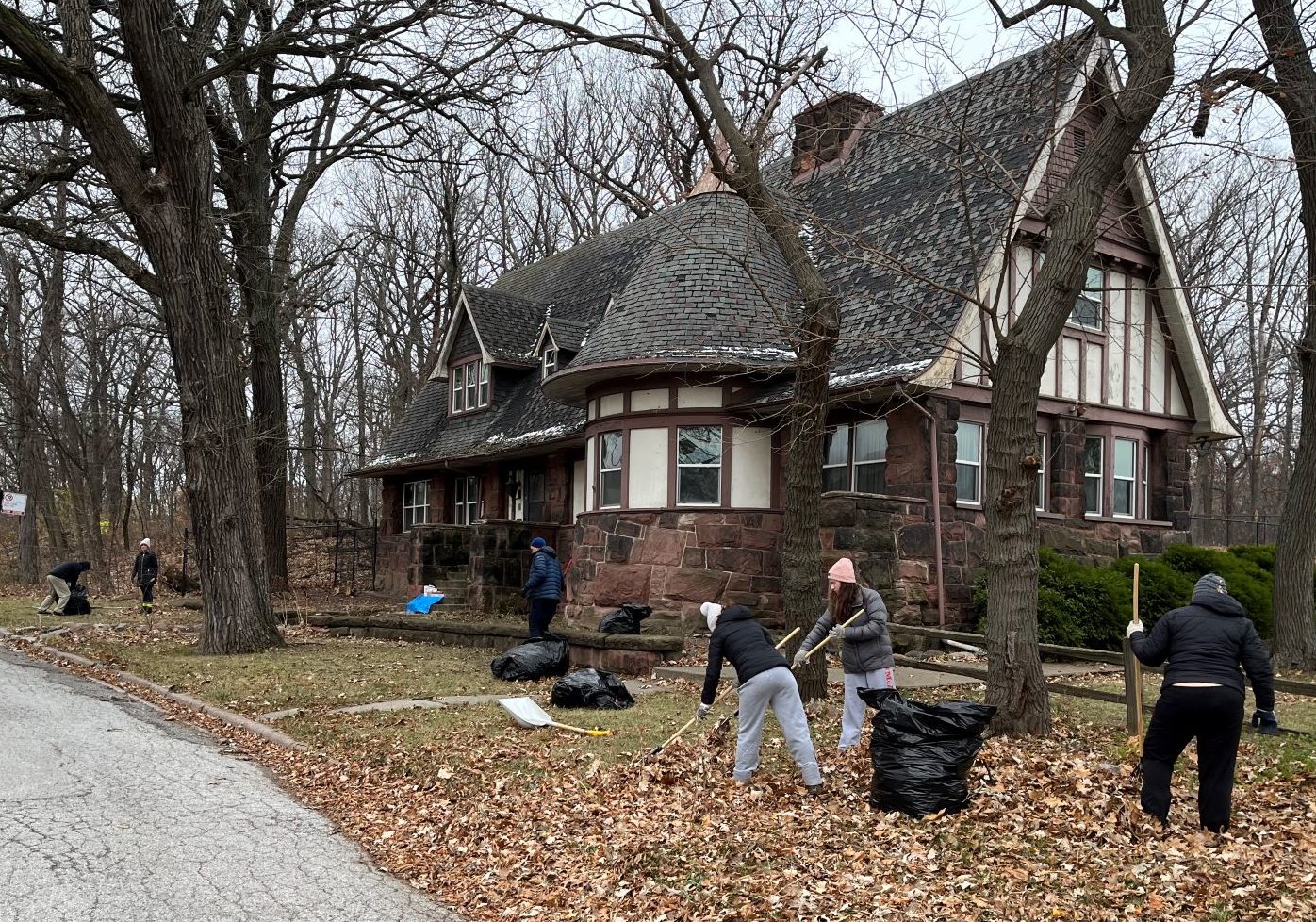
In this month’s edition of our Preservation News Roundup, read about our recent Timuel D. Black, Jr. Grant recipient, our trip to Rockford to shine a light on the rehabilitated former Ziock Building and our work with 2022 Most Endangered sites, the Consumer & Century’s Buildings in downtown Chicago and the Eugene S. Pike House in Beverly. Also, check out photos from our preservation awards ceremony earlier this month and find information on our upcoming spring fundraiser, Preservation Forward!
Read more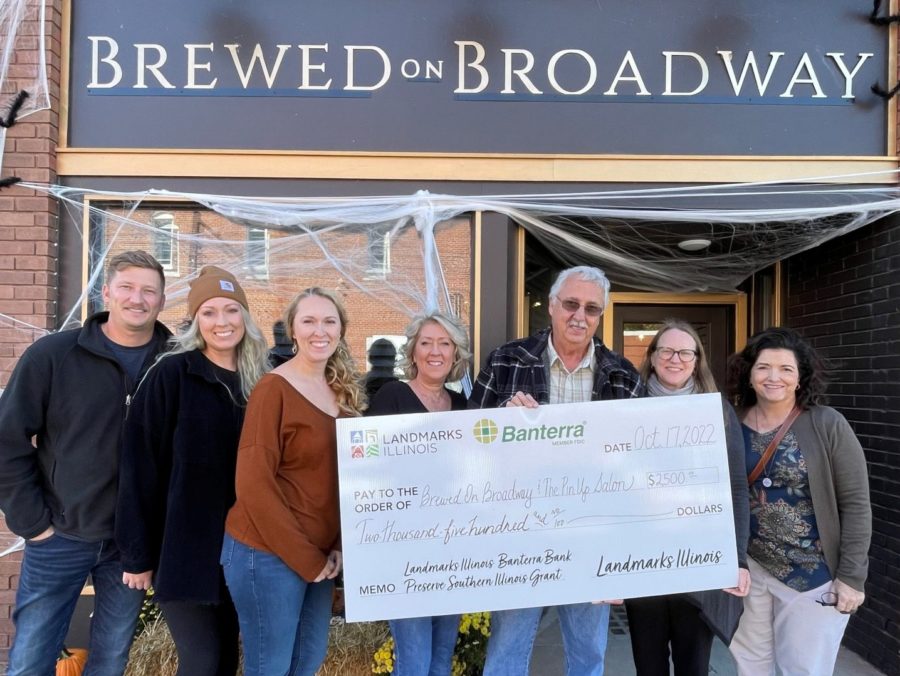
Read about our first grant recipients of the Landmarks Illinois Banterra Bank Preserve Southern Illinois Grant Program, our new preservation easement in Galena and upcoming events this fall in this edition of our Preservation News Roundup!
Read more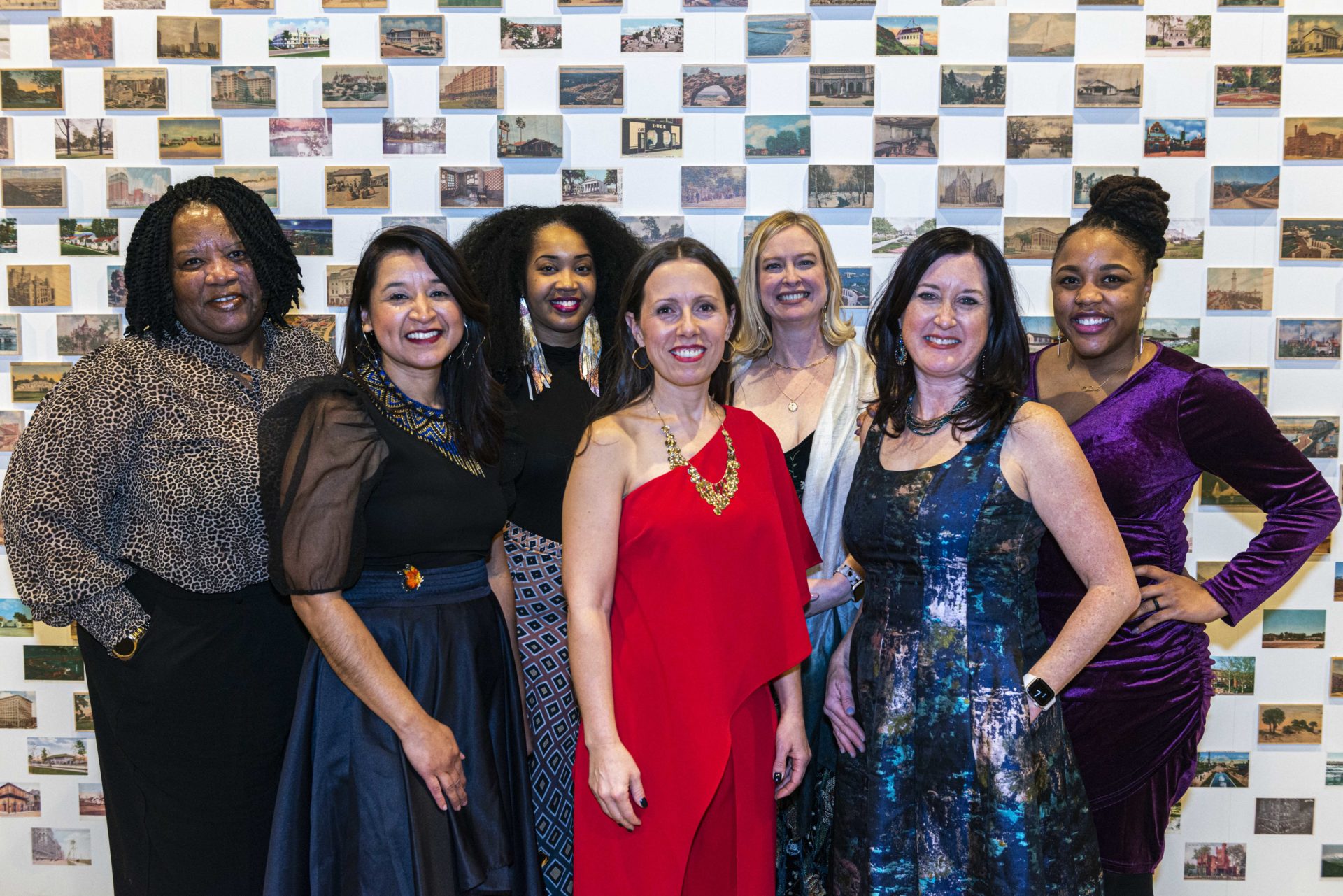
The scale of change needed in the preservation field may feel overwhelming. Where to begin is one thing. Add to that the risks that accompany change. Some in our field fear resource scarcity if they alienate supporters by moving beyond traditional preservation. Yet, is it ethical to exclude others to protect funding? One could view this transactional fundraising, borne out of a scarcity mentality, as preserving the preservationists. We want to keep our jobs. We also want more people to care about preservation and to save more places together with them. Our practices have to change for this to happen. The final blog in the series explores abundance- and values-based fundraising and our experience with donors coming forward to support our vision for relevant preservation.
READ MORE
Historic places have incredible stories to tell, but we need to be their storytellers. Storytelling has been a principal information delivery system for most of human history and, although methods differ, storytelling is universal to all of the world’s cultures. When we tell a story about people and historic places that is entertaining and introduces or reinforces knowledge, especially in a group setting, we create valuable, memorable and emotionally beneficial experiences. However, telling a great story takes work. Read more about how we can make historic places more meaningful to people if we tell better stories about them.
READ MORE
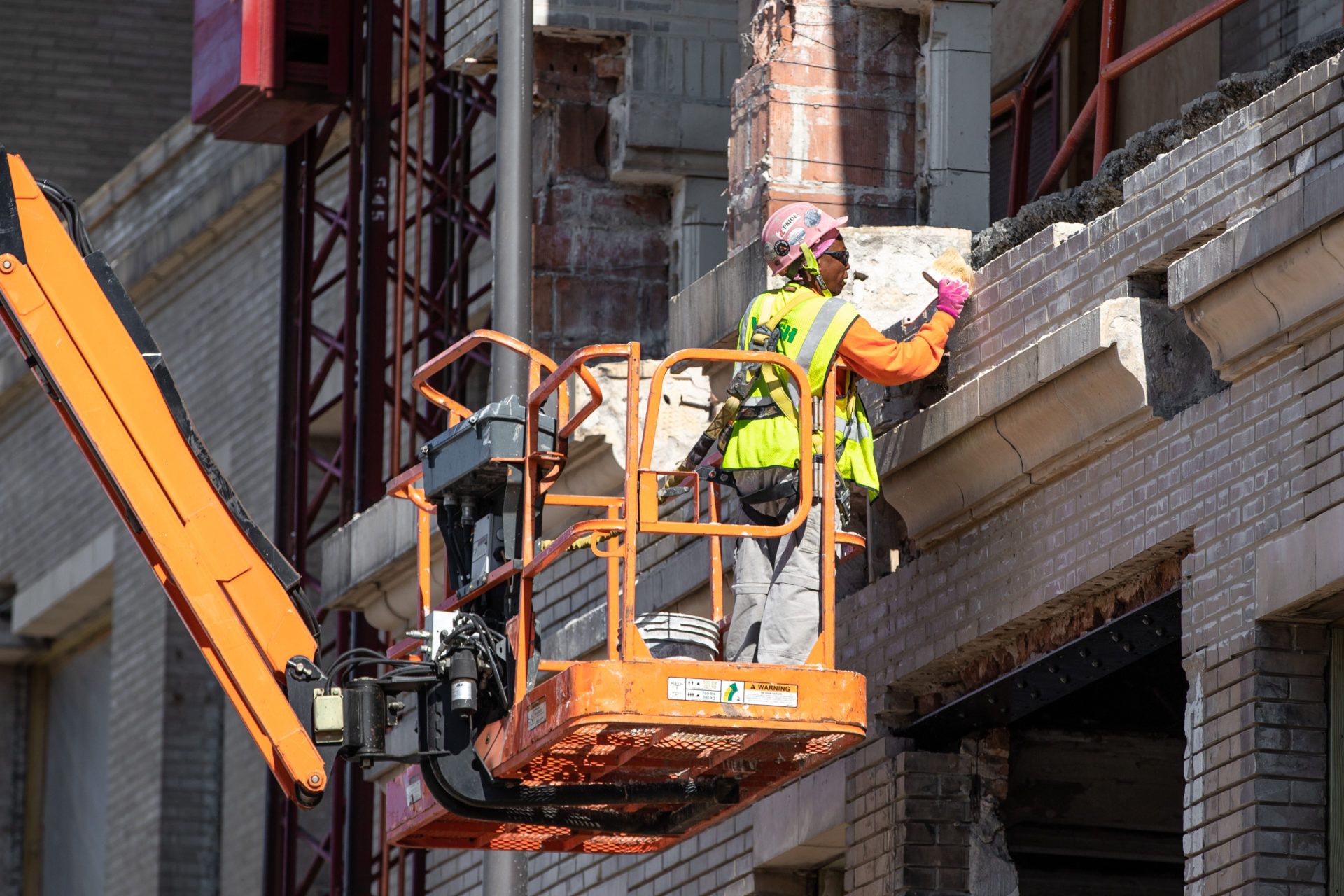
Foundational to making preservation more relevant is having a labor force that is willing and able to do to the work. Changing what we do, and how we do our work, requires more capacity – knowledge, funding and time, but people most of all. We can change preservation pedagogy, expand our ideas about who is doing related work, and introduce preservation’s valuable approaches into numerous other fields of work and study. Evolving preservation pedagogy and encouraging preservation-minded people to enter other fields may well result in more job opportunities and more places saved.
READ MORE
This month, we announced our preservation awards, held a special event at the Tribune Tower, celebrated newly opened adaptive reuse projects and said farewell to a longtime staff member. Check out our latest edition of our Preservation News Roundup for all Landmarks Illinois was up to in September!
Read more
Connecting with history, historic places and culture enhances our health. However, preservation’s connection to health and wellbeing is a largely unexplored and needed research area to further demonstrate our work’s value. Blog post #8 provides an overview of preservation’s relation to personal and community health, including historic places as public health, as a human right and as healing medicine. Then, there’s addressing preservationists’ high burnout rate as an impediment to growing our relevance.
READ MORE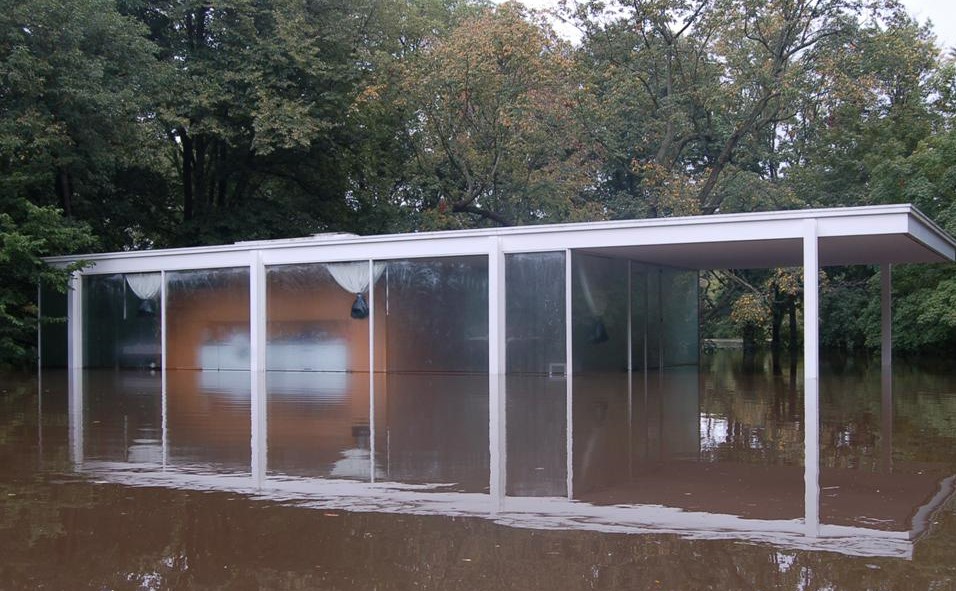
Preservation is an inherently sustainable practice. Our field has known and promoted this fact for decades. We cannot stop there. Preservation needs to be an important part of the conversation about how to make existing buildings more energy efficient and how to decarbonize in an accessible, affordable and just way. We can, and should, do more to address the climate emergency that we are facing.
READ MORE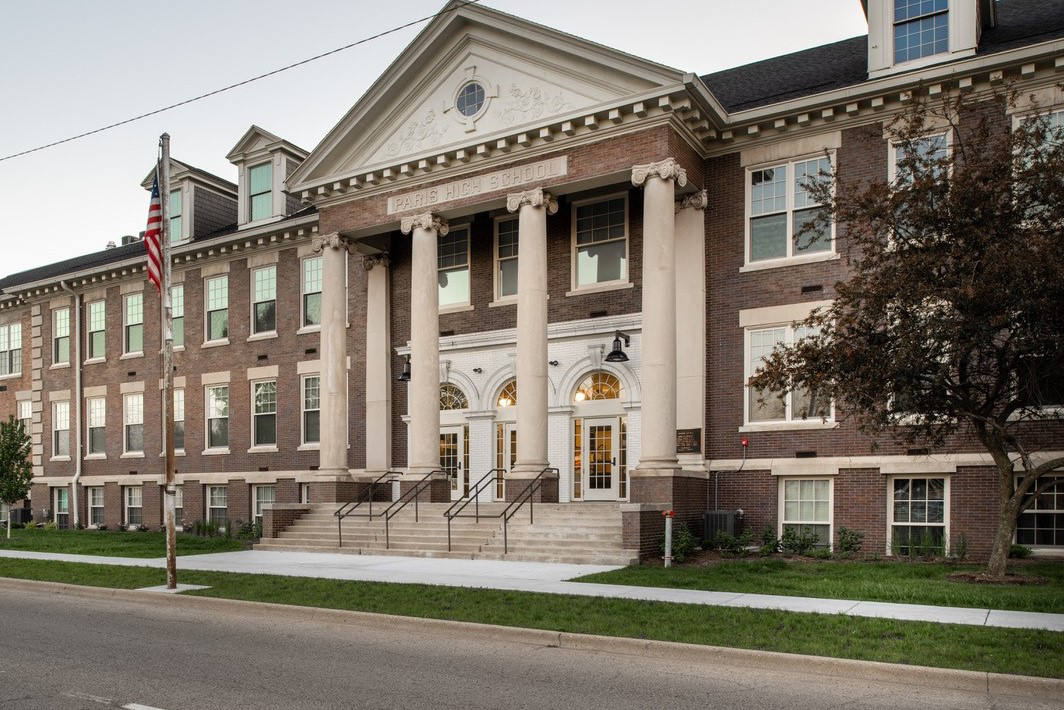
Preservation practice can shift away from its focus on the aesthetics of historic places to contributing effective solutions to a community’s challenges. Helping to provide housing is perhaps our greatest opportunity to be more relevant. This blog is a high-level introduction to the intersection of affordable housing and preservation.
Read more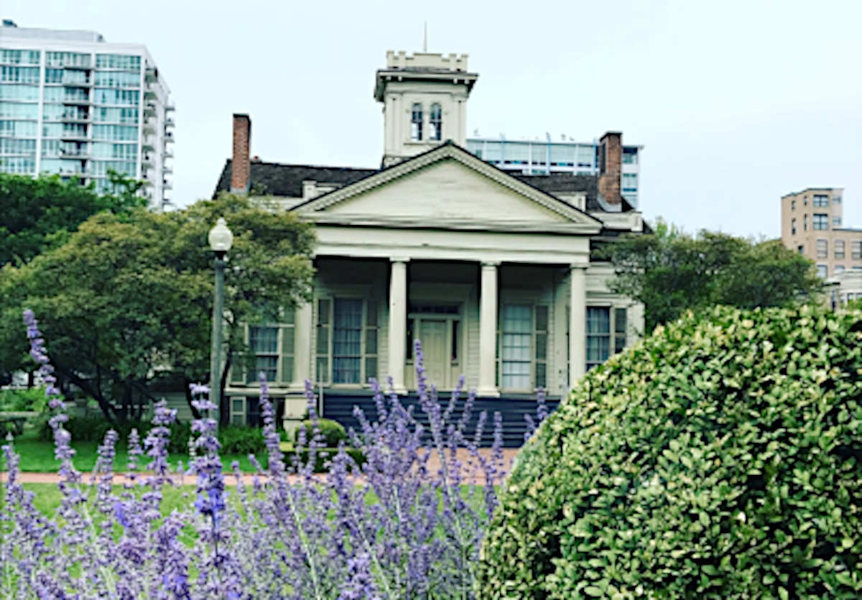
Given the imbedded injustice in preservation policy and practice, we have a duty to dismantle and rethink these parts of our systems. We are perpetuating injustice if we fail to invest in change and build capacity where there has been inequity. People who have been excluded by these systems must play a pivotal role in shaping the movement toward a just future.
Read more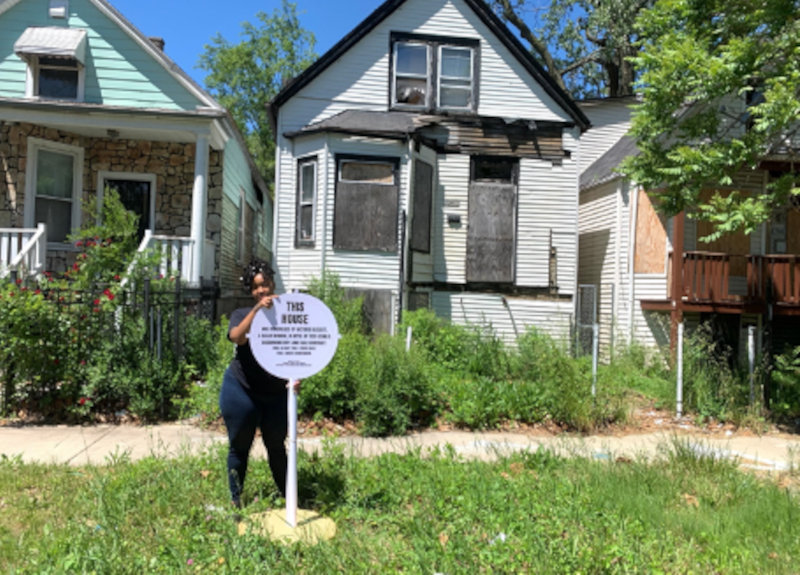
Preservationists are united in an understanding that the preservation field is neither as inclusive nor as diverse as we want it to be. To be more relevant to more people, preservation must expand to include more people and their perspectives. We are falling short on creating pathways for inclusion and diversity because of imbedded injustices in our own practices. A truth, reckoning and repair process is needed.
Read more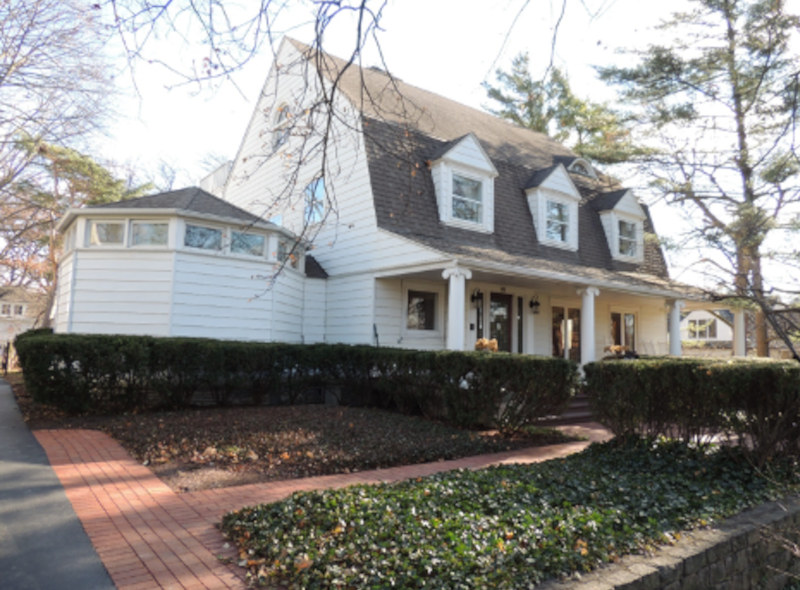
July 7, 2022
One systemic issue inhibiting preservation’s relevance is using integrity as a gatekeeper to designation and incentives, which puts too much weight on the materiality of significance. To be seen as relevant, preservation has to move beyond this culture of preciousness to put greater priority on the people interacting with historic places today and tomorrow.
June 30, 2022
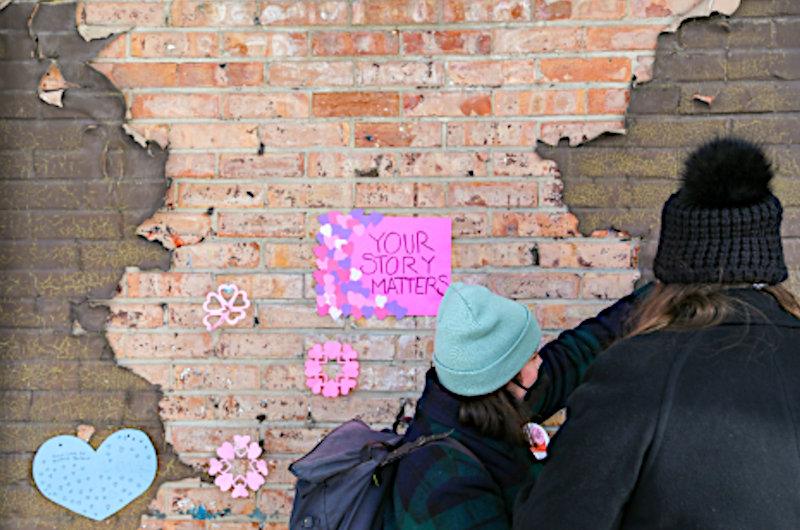
This week, The Relevancy Project digs further into the preservation movement’s relevancy crisis. There’s a quip: “if you have to ask if you’re relevant, you’re not.” It’s not that simple. What do we mean by “relevance” and why do 86% of surveyed preservationists say that the field needs to innovate? A deep divide exists about the way forward.
INTRODUCING THE RELEVANCY PROJECT
JUNE 23, 2022
At its 50th anniversary, Landmarks Illinois embarked on an effort to explore its relevance and how to move preservation forward over its next 50 years. What the organization found is that preservationists across the nation are deeply questioning our practices and our movement’s future. Landmarks Illinois president & CEO Bonnie McDonald was awarded a 2020 James Marston Fitch Charitable Foundation Mid-Career Fellowship to help bring the field’s challenges, and solutions, to the forefront through The Relevancy Project. This blog post begins a weekly series exploring McDonald’s findings through the 130 interviews she conducted between 2019 – 2021, and where she seeks your input to help inspire collective actio
Read more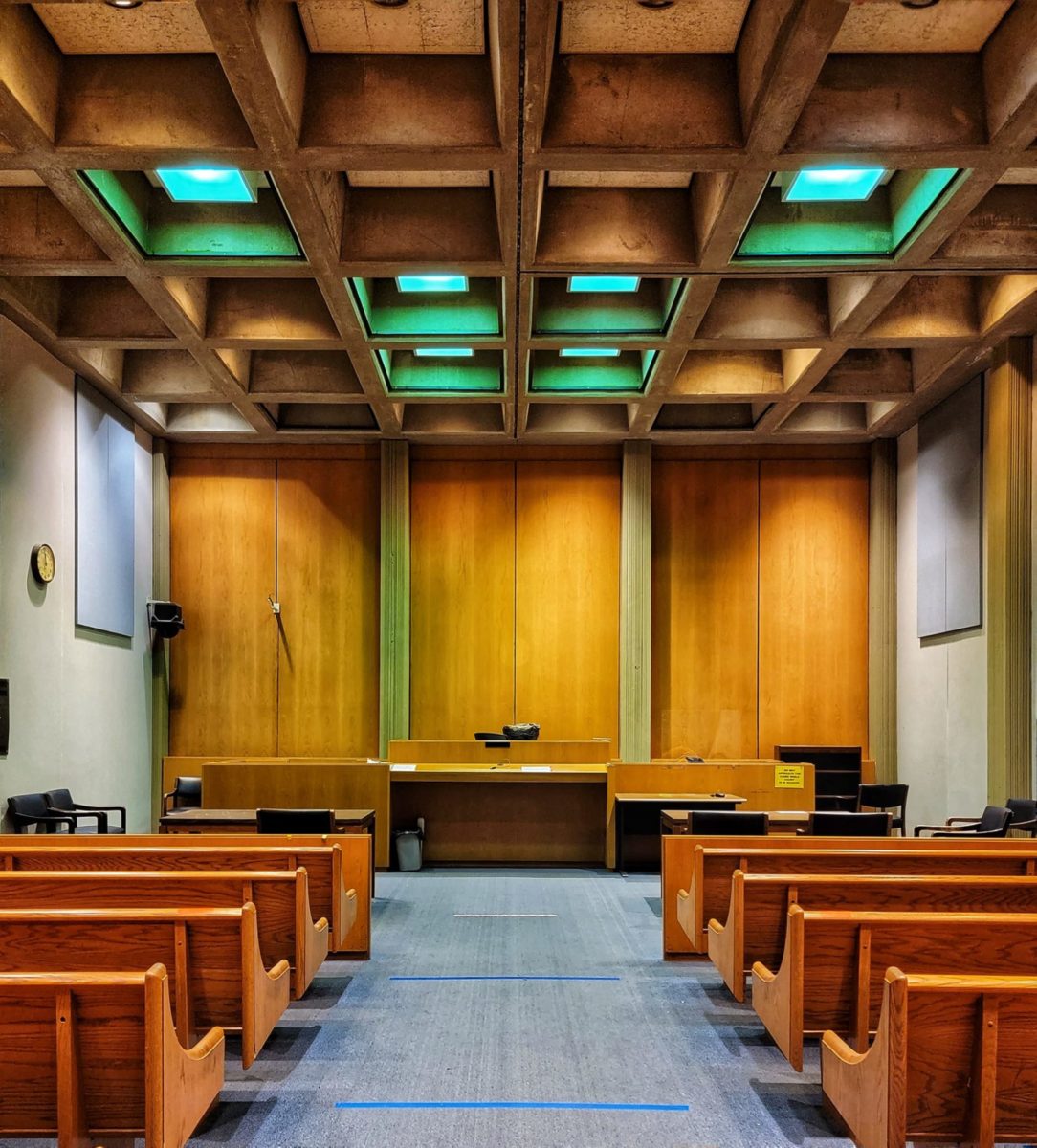
In this guest article, Springfield Preservation Architect Mike Jackson writes about how the proposed demolition of two 2022 Most Endangered sites, the Will County Courthouse in Joliet and the Century and Consumers Buildings in Chicago’s Loop, are both opportunities to confront climate change and promote environmental justice instead of sending buildings to landfills.
Read more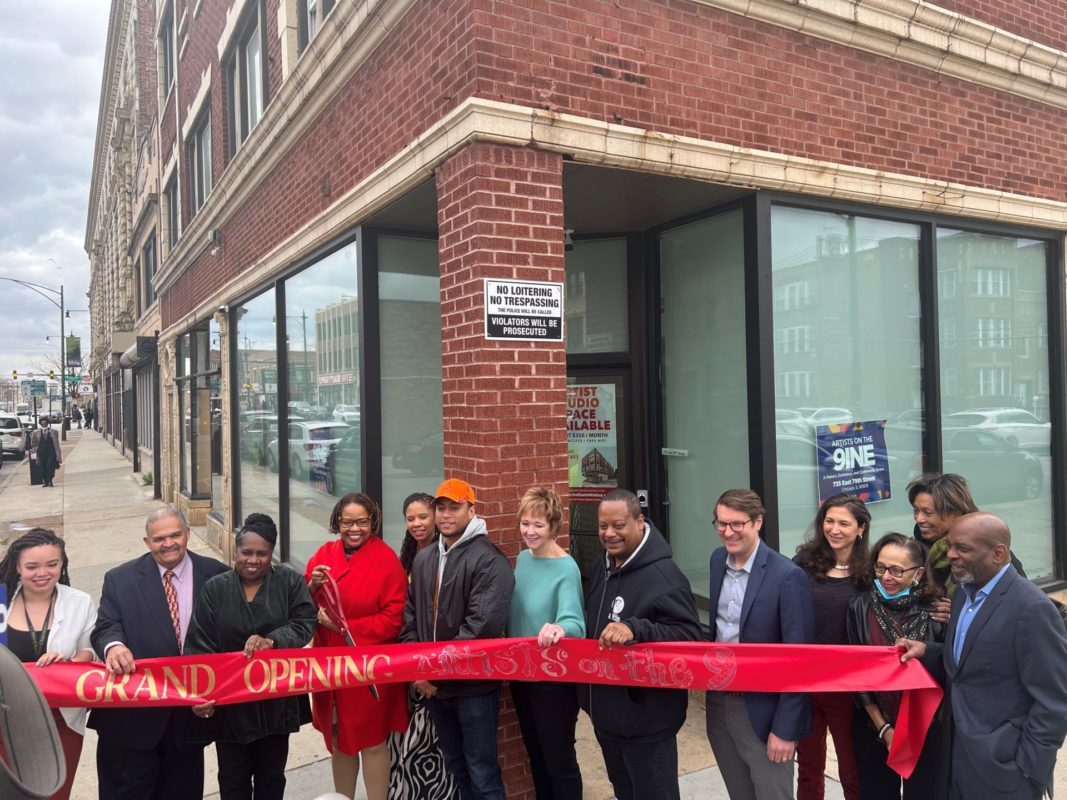
Preservation Month was busy for us! Check out our May edition of the monthly Preservation News Roundup to see where Landmarks Illinois was working across the state during May to help people save places!
Read more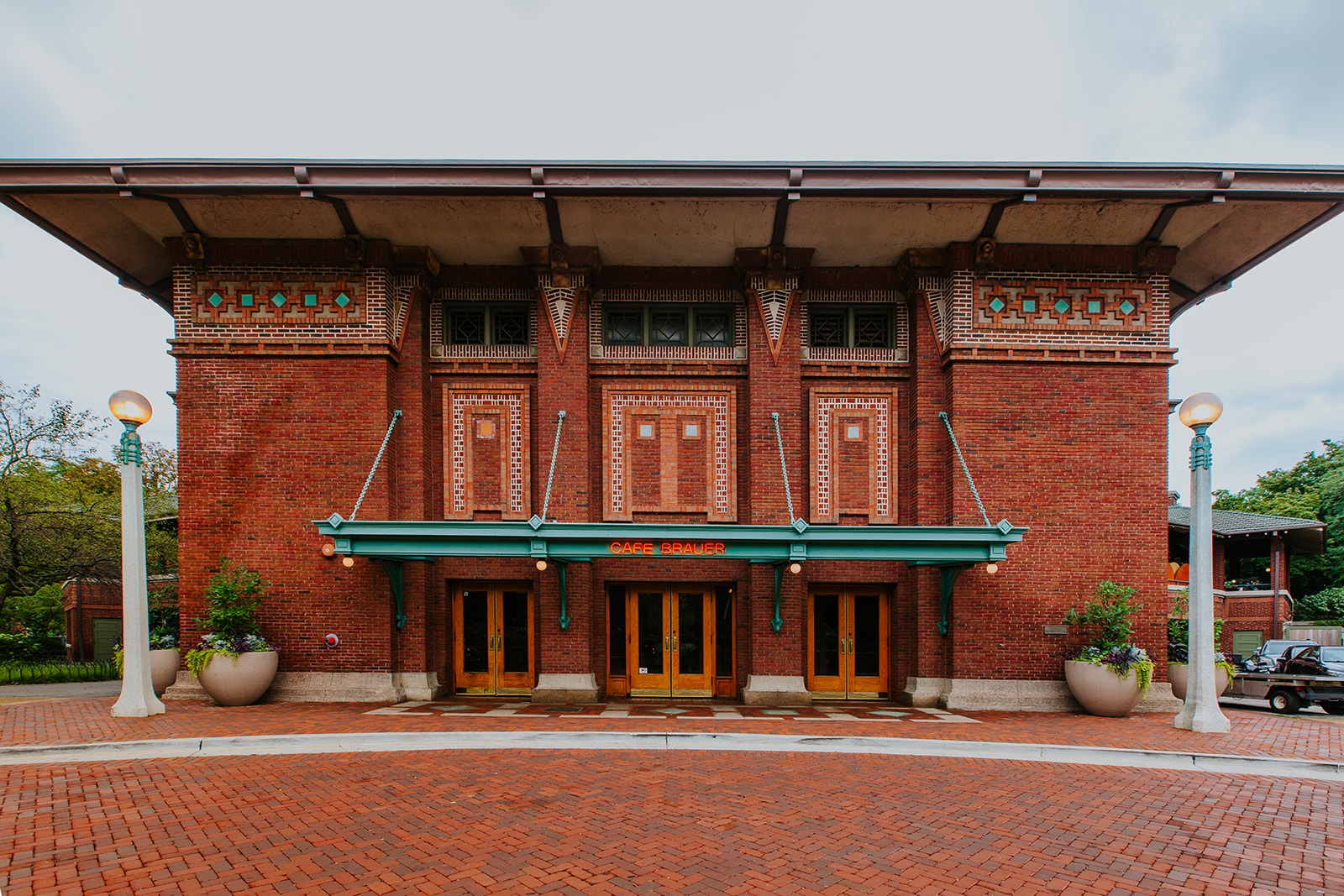
Look back at our busy month of April: We released our 2022 Most Endangered Historic Places in Illinois, launched a new grant program in Southern Illinois, announced we are hiring a new Advocacy Manager and more. Check out this month’s edition of the Preservation News Roundup to learn more about what we have been up to!
Read more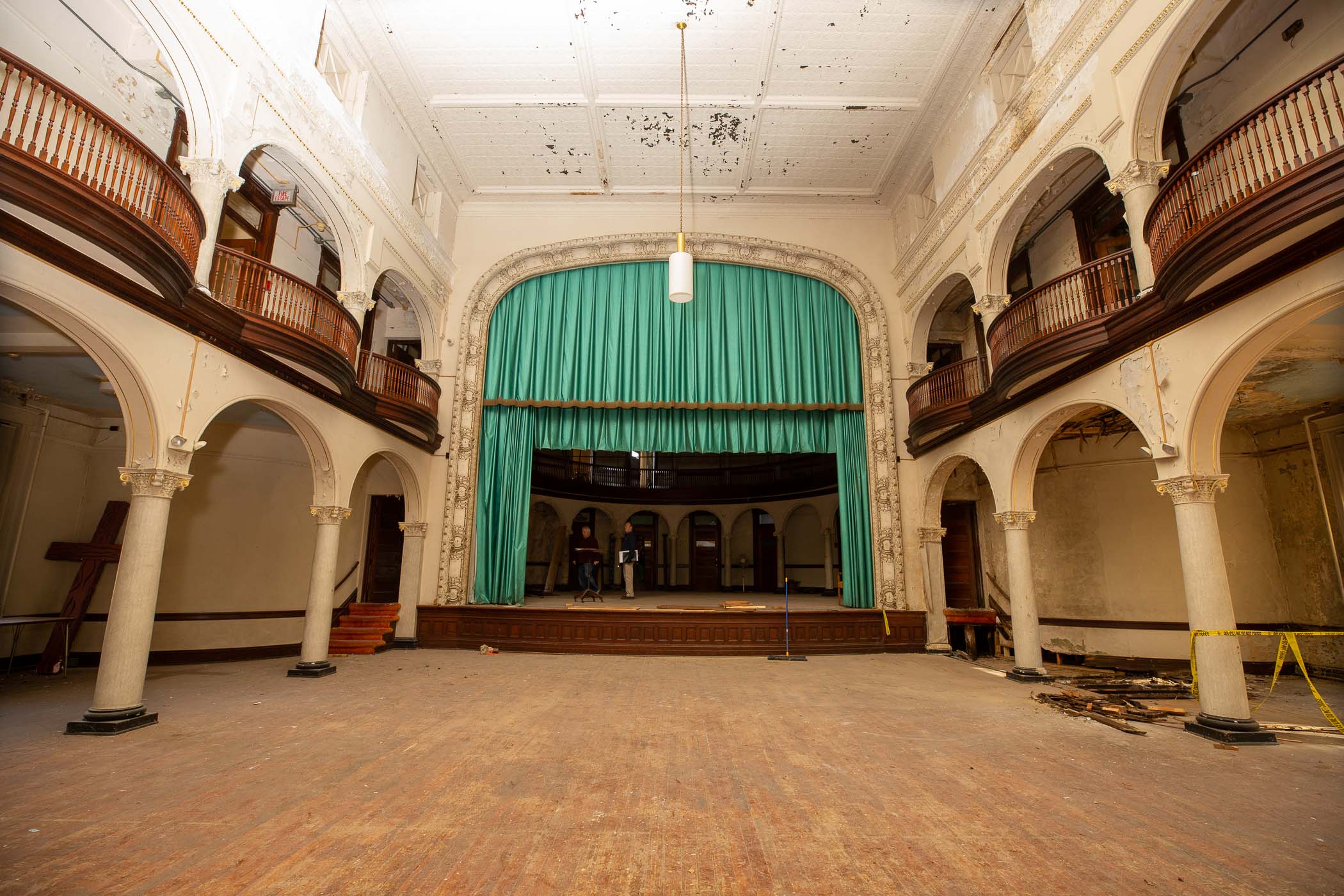
This month we roundup our recent grant recipients, our upcoming Spring events and our advocacy work around the state.
Read more

Landmarks Illinois hosts its PRESERVATION FORWARD event on March 10 at the Old Post Office in Chicago. Learn how this year’s spring fundraiser is different from previous years, who we will honor and why you should join us in the celebration!
Read More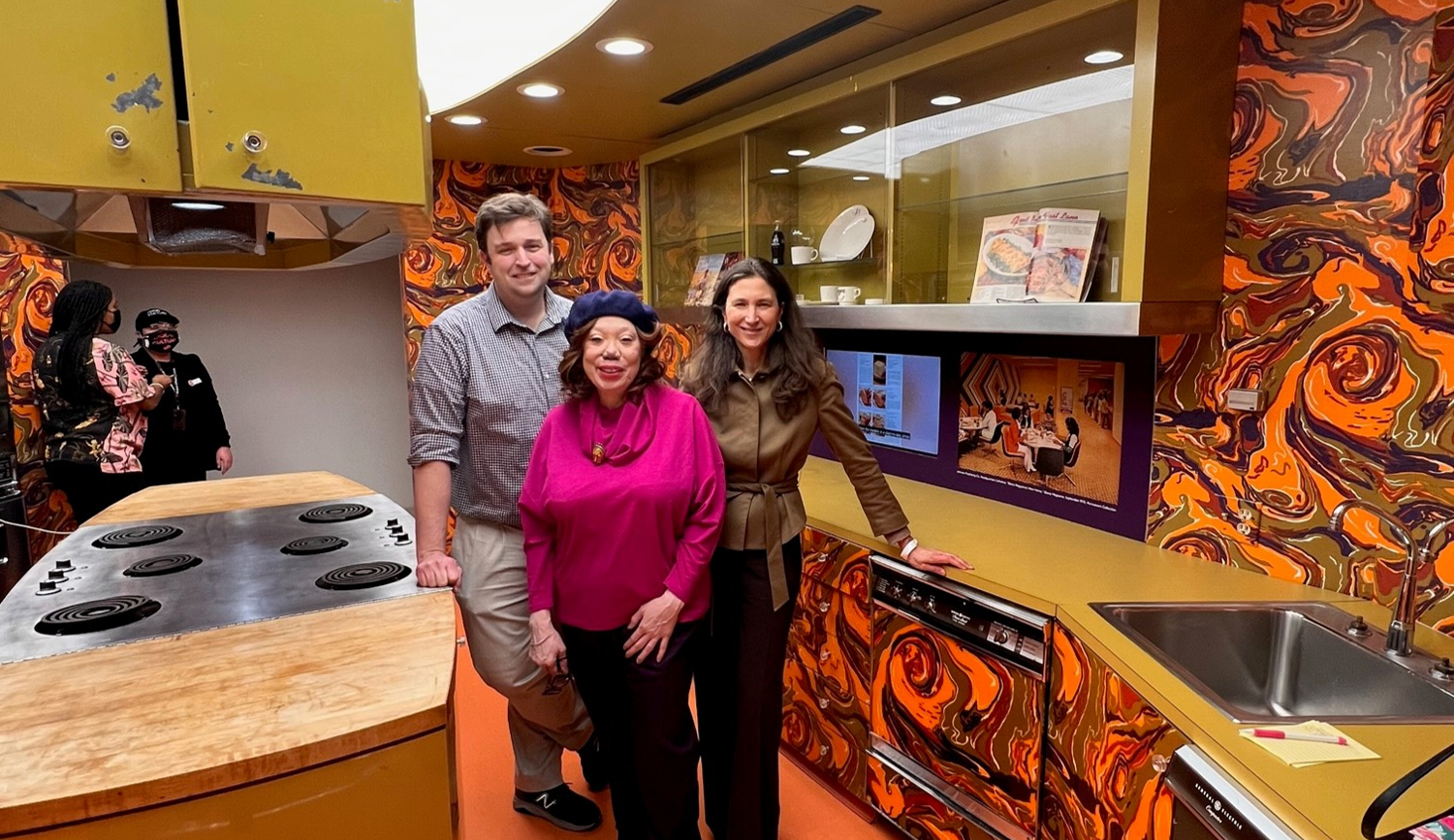
Learn about Landmarks Illinois’ latest news for February, including our heart bomb of Altgeld Gardens in Chicago, our advocacy work for the John Schmidtke House in Elgin as well as our travels to New York City to celebrate the opening of a new exhibit featuring the former Ebony Test Kitchen.
Read more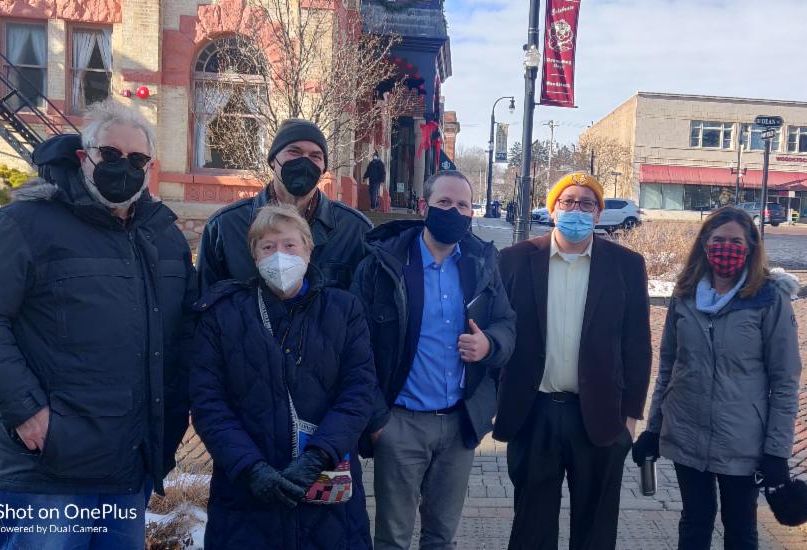
This month, we feature our upcoming events and share where Regional Advocacy Manager Quinn Adamowski has traveled to throughout Illinois in January to help people save places in their communities. Also learn about Landmarks Illinois’ endorsement for a reuse of Lakeside Center in Chicago and other news from our organization and around the state.
Read more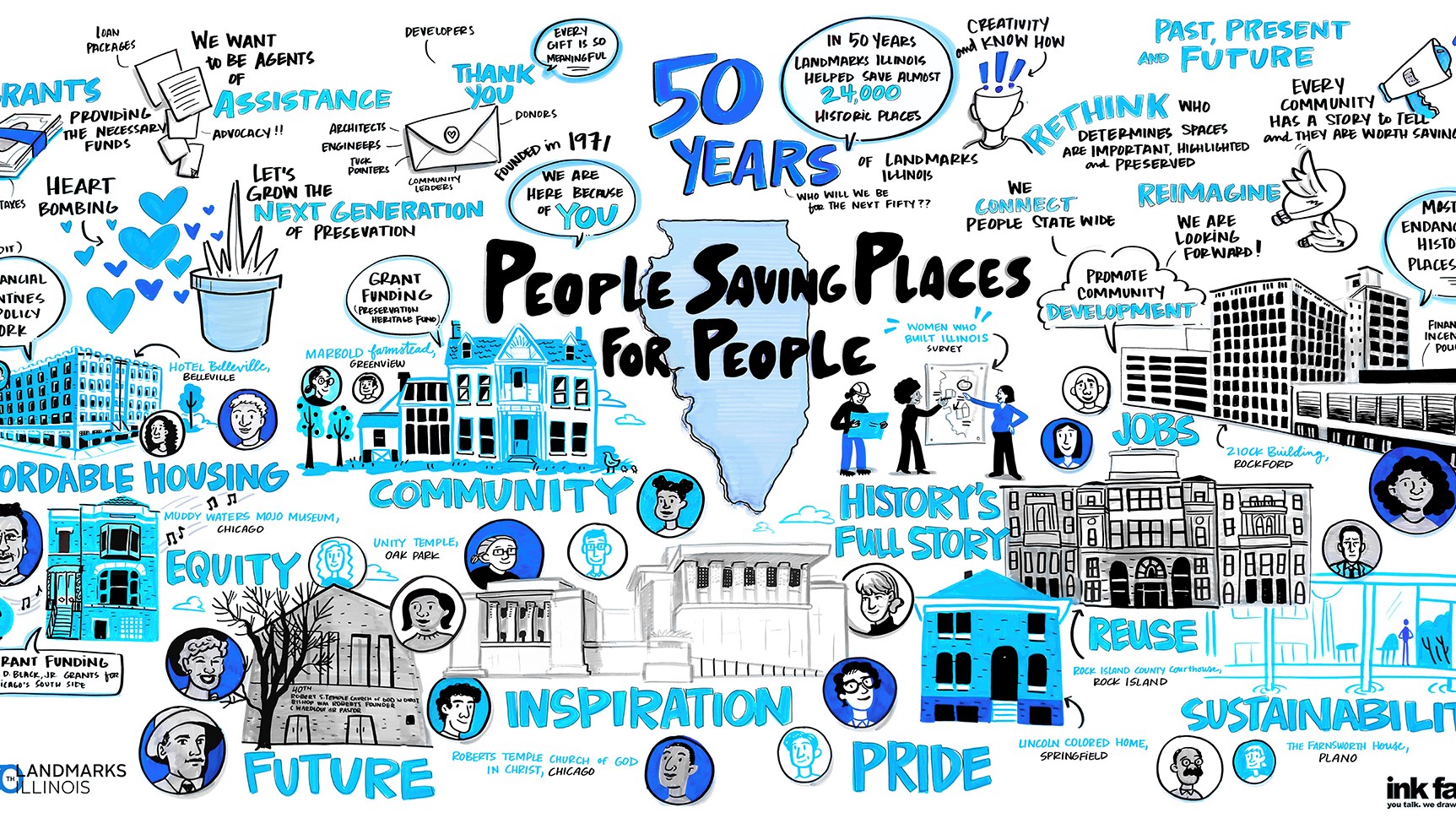
Our annual news roundup highlights all of Landmarks Illinois’ major advocacy efforts, projects, programs and events during the past year. Read about our biggest preservation successes of 2021, how we celebrated our 50th anniversary and the exciting projects and programs we launched throughout the year. Thank you to all our partners, on-the-ground advocates, members and supporters for joining us during our 50th year of helping people save places in Illinois. We hope you will support us in 2022 as we continue our important work!
Read more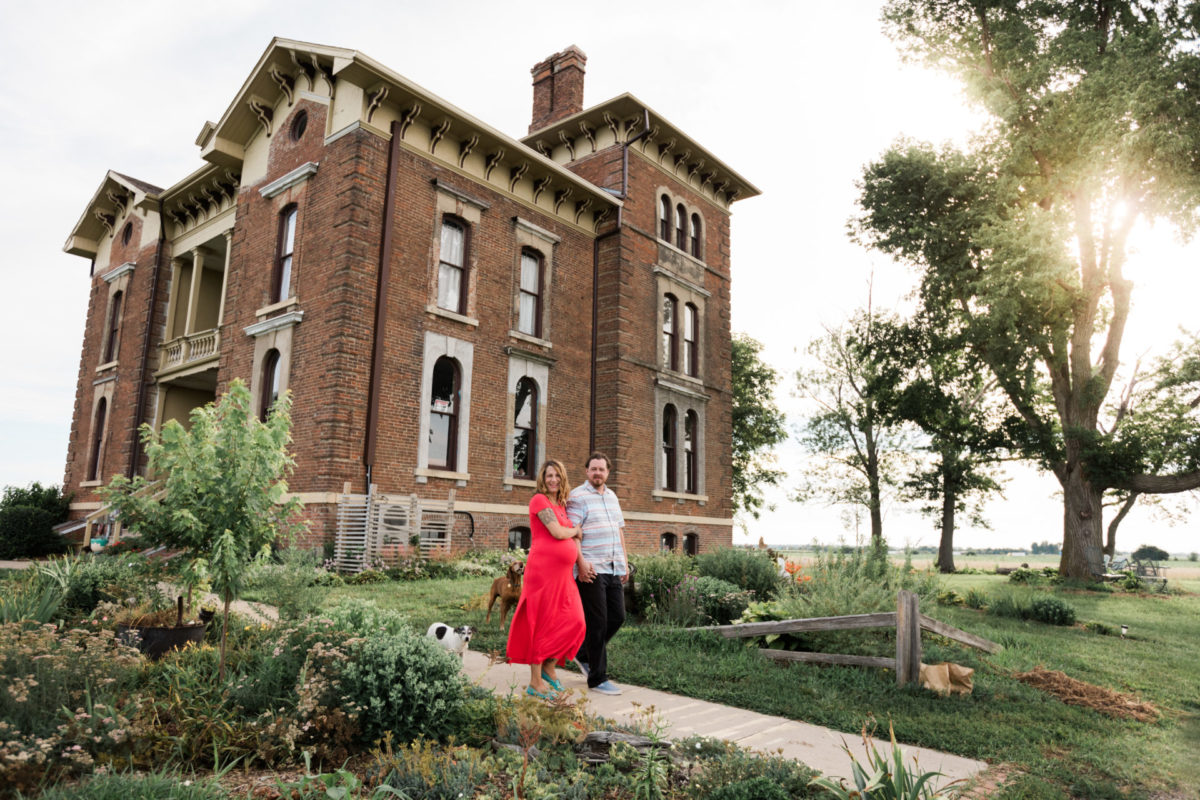
Randi and David Howell put their passion and creativity to work restoring Duncan Manor House on old Route 66 near Towanda. The couple transformed the large and long vacant brick house into a habitable space, creating a family home and a place to welcome the community for public events. Their efforts earned them a Landmarks Illinois Richard H. Driehaus Foundation Preservation Award earlier this year. Learn more about the Howell’s journey to save this landmark and why they believe preserving historic places is so important.
Read more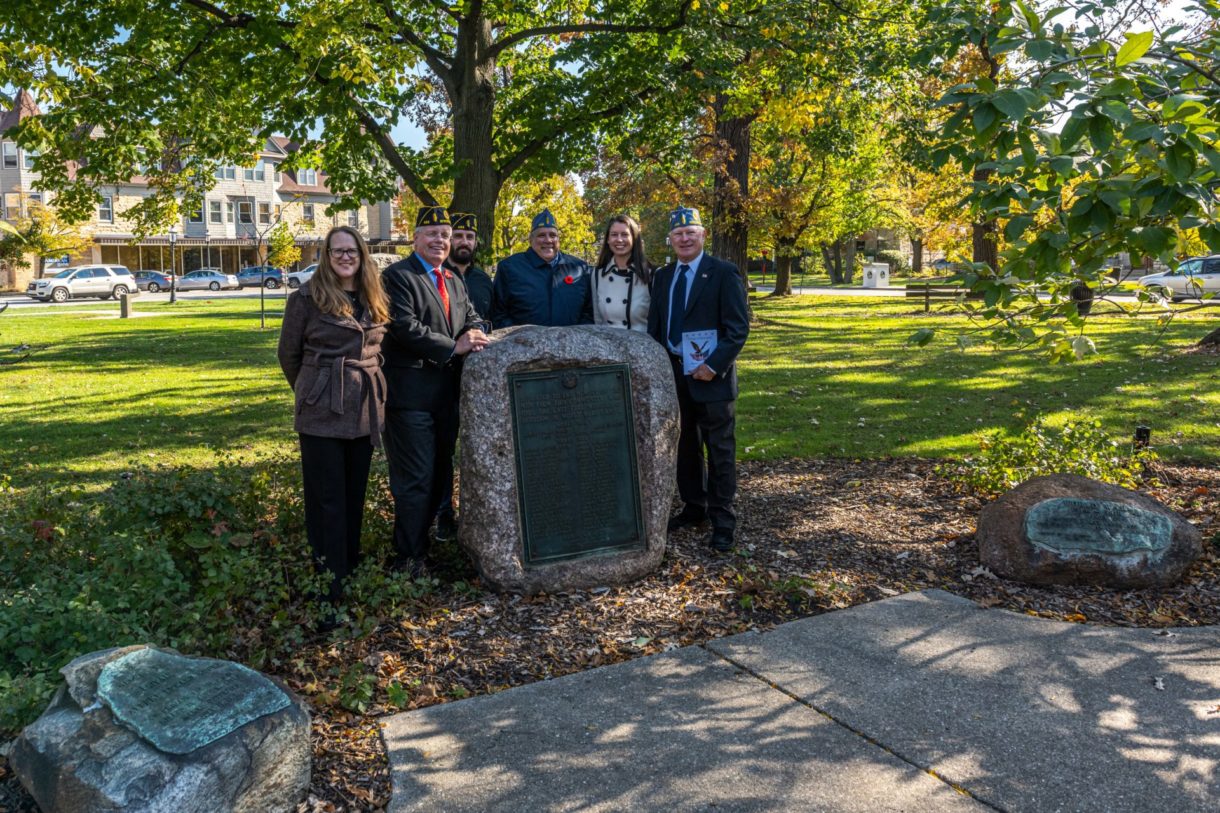
The November edition of our Preservation News Roundup is out. Catch up on all our preservation projects, travels around the state, legislative victories, upcoming events and more!
Read More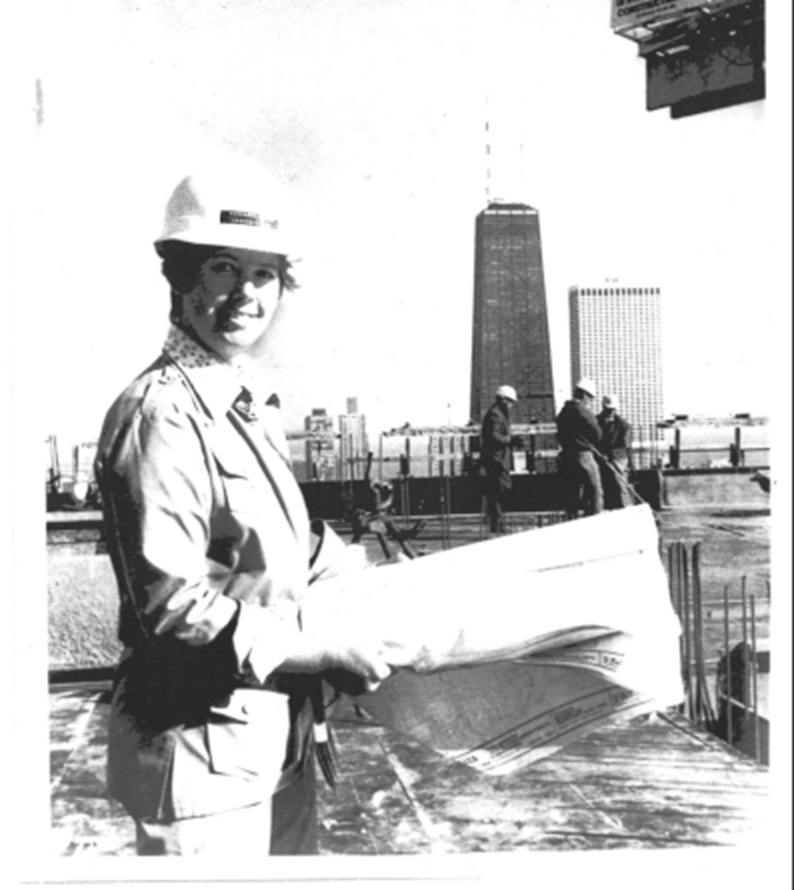
Among the many women highlighted in Landmarks Illinois’ new “Women Who Built Illinois” database is Margaret Zirkel Young, who became a licensed architect in Illinois in 1971 and had a long, successful career working at firms like Ezra Gordon & Jack M. Levin & Associates where she served as project architect on iconic Chicago skyscrapers like Newberry Plaza (pictured). Young shared insights with us on her unique career and experiences working in the male-dominated architecture field.
Read more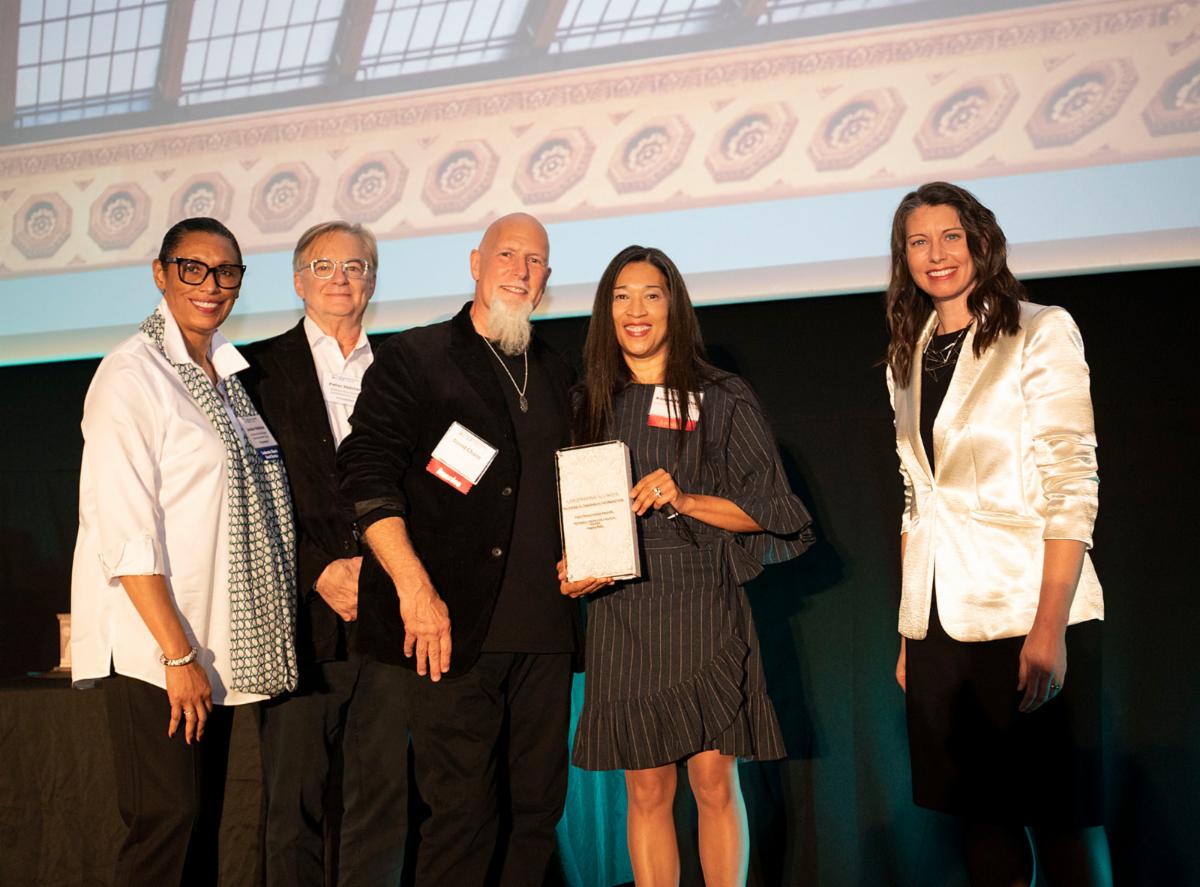
Read about updates in Rock Island, see photos from our preservation awards ceremony and learn about a special kickoff event in Springfield for the Illinois State Preservation Caucus in this month’s edition of the Preservation News Roundup.
Read More
The demolition of Adler and Sullivan’s Chicago Stock Exchange Building sparked the creation of Landmarks Illinois in 1971. The former arched entrance to the building, preserved today at the Chicago Art Institute, has continued to inspire our branding over the past five decades, beginning with the creation of the organization’s first logo. In this special 50th Anniversary article, we speak with two artists who have used the architecturally significant arch to create artwork for Landmarks Illinois.
Read More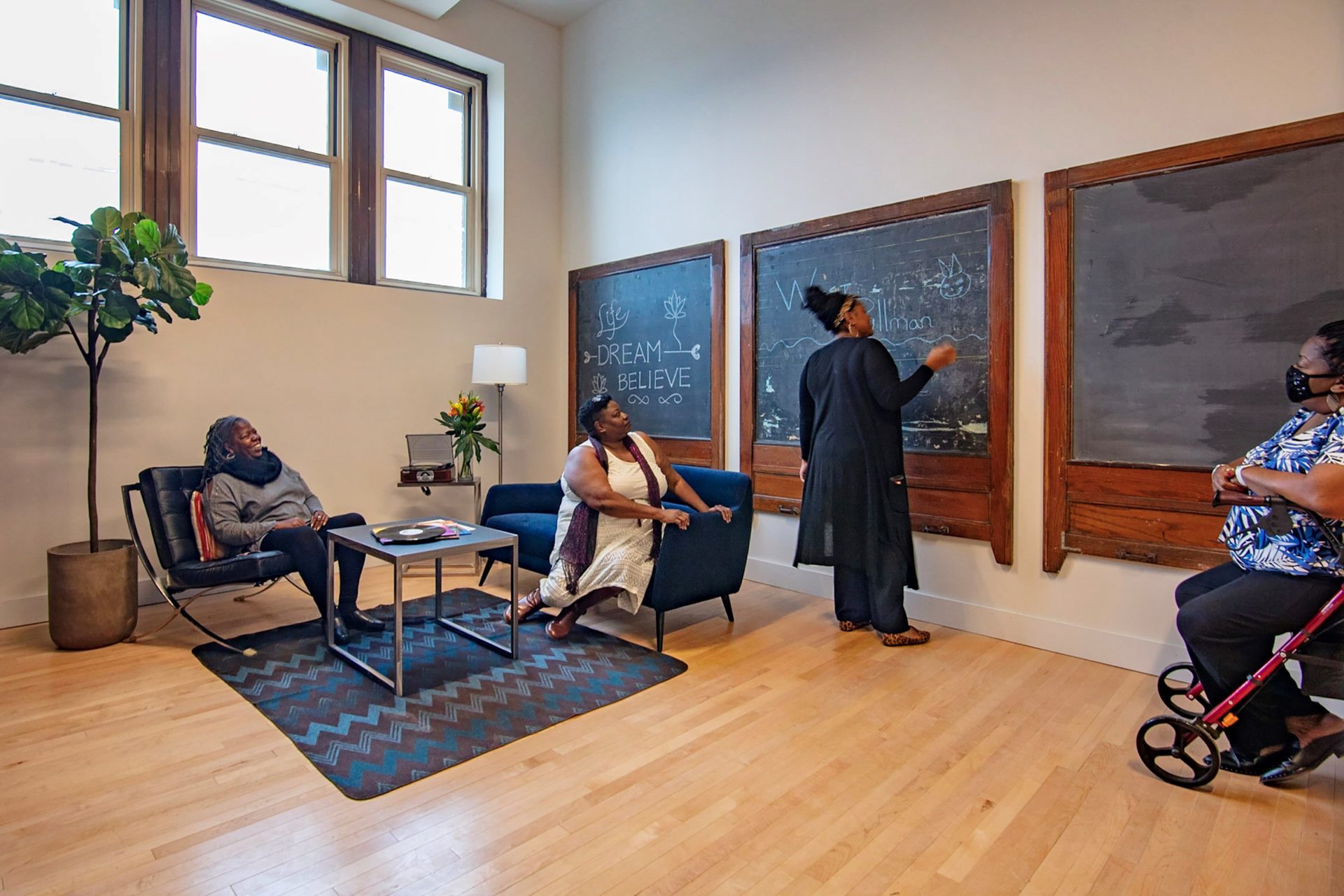
In this month’s news roundup, we share news on the recipients of our 2021 Landmarks Illinois Richard H. Driehaus Foundation Preservation Awards, our advocacy work in Hinsdale to save a Frank Lloyd Wright-designed home, upcoming fall events and a call for your help to expand federal historic tax credits.
Read more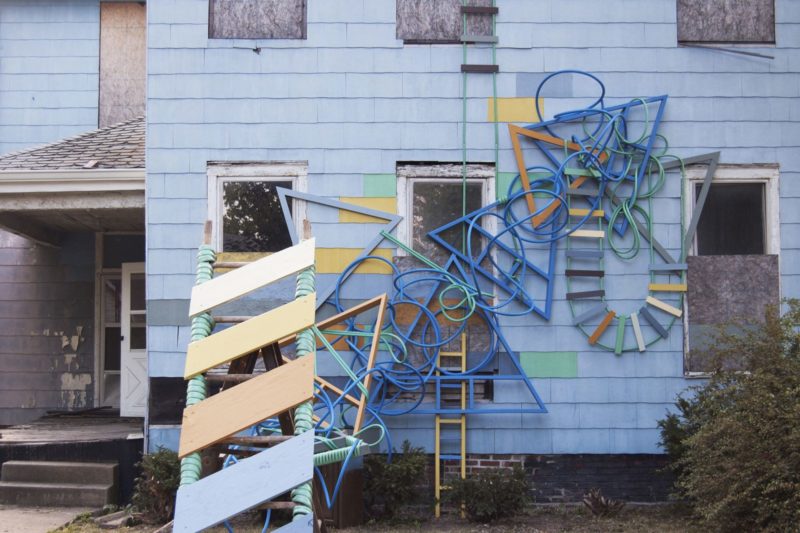
Landmarks Illinois Programs Manager Julie Carpenter writes how artists are activating Illinois’ historic places, sending a strong message to the community that these places are viable, vibrant and worth preserving. The article calls attention to art at historic places like The Forum in Chicago’s Bronzeville neighborhood and Terrain Exhibitions in Springfield (pictured).
Read more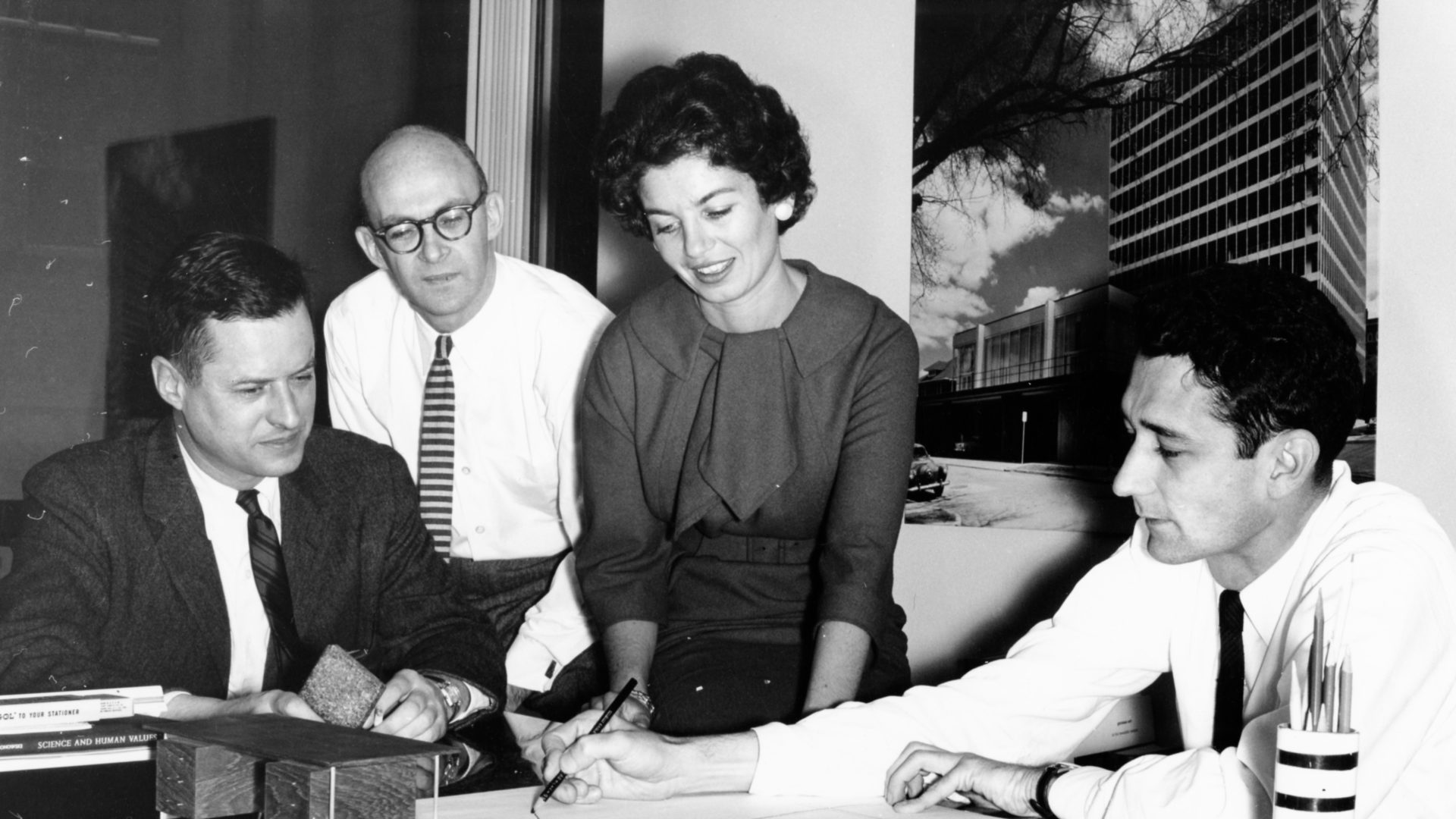
Catch up on what Landmarks Illinois was up to during the busy month of August: We launched our new Women Who Built Illinois online database, helped call attention to suburban Chicago’s disappearing midcentury modern architecture, announced two new upcoming September events and more.
Read more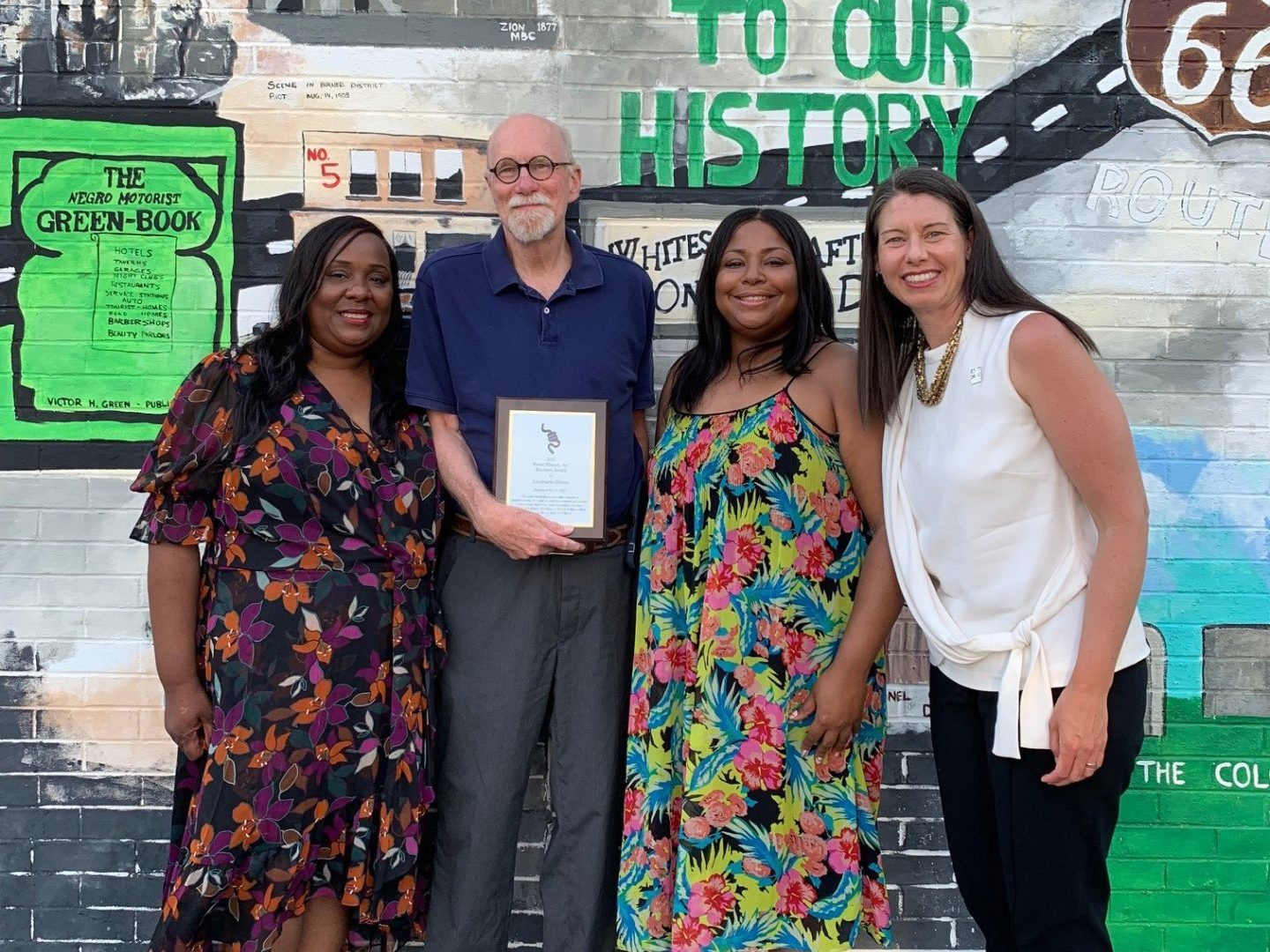
Learn about our advocacy efforts, programs and other news from the month of July in the latest edition of our monthly news roundup. Read updates on preservation efforts at 2021 Most Endangered site, Klas Restaurant in Cicero, Illinois historic sites receiving major grants from the National Trust for Historic Preservation and the National Park Service and other news from communities including Elgin, Peoria, Hinsdale and Evanston.
read more
Catch up on the latest from Landmarks Illinois from busy month of June! We held our 2021 Annual Meeting, released our Annual Report, announced eight new grant recipients, had big news on the Thompson Center, preservation tax legislation and advocacy efforts in the suburbs. Plus, we announced we are hiring for a new Regional Advocacy Manager! Check out the details in this edition of our Preservation News Roundup.
read more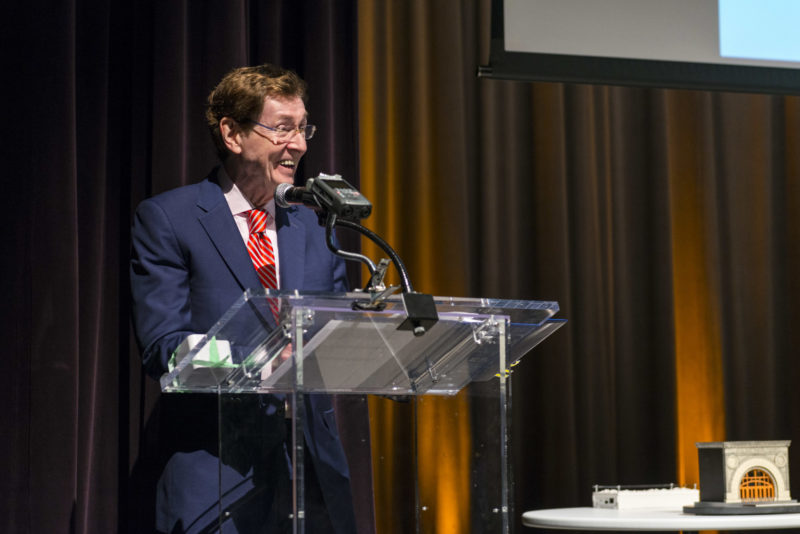
Richard Driehaus was a phenomenal philanthropist and preservationist. Following Mr. Driehaus’ passing in March, we spoke to Anne Lazar, Executive Director of The Richard H. Driehaus Foundation, about Mr. Driehaus’ involvement with historic preservation and his relationship with Landmarks Illinois. This is an extended version of an article originally published in our May 2021 edition of The Arch Newsletter.
Read more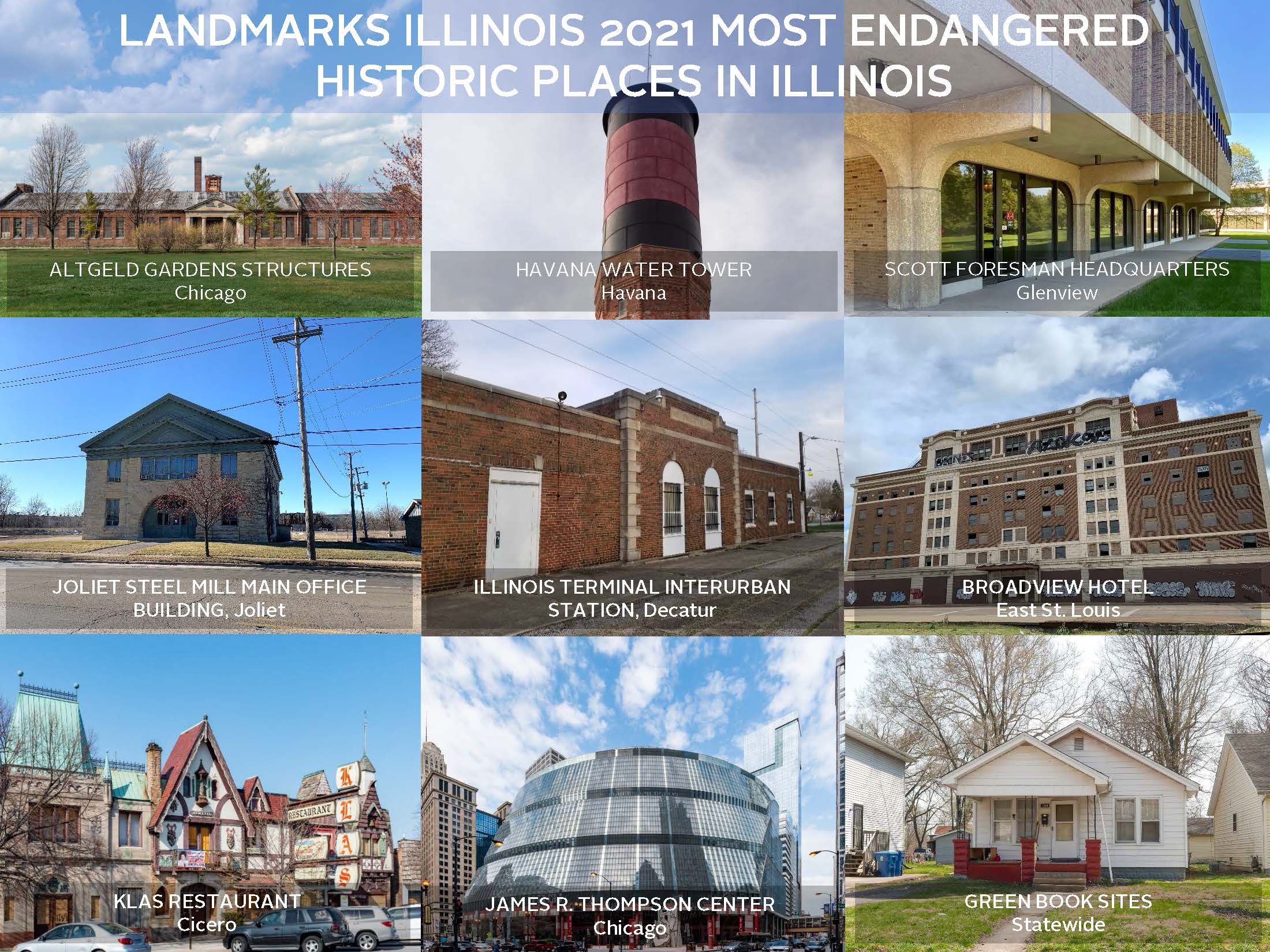
Landmarks Illinois announced its 2021 Most Endangered Historic Places in Illinois this month, set the date for our 2021 Annual Meeting, joined a coalition of preservation partners calling attention to the James R. Thompson Center in Chicago, and much more. Catch up on the latest from Landmarks Illinois in our May edition of the Preservation News Roundup.
Read More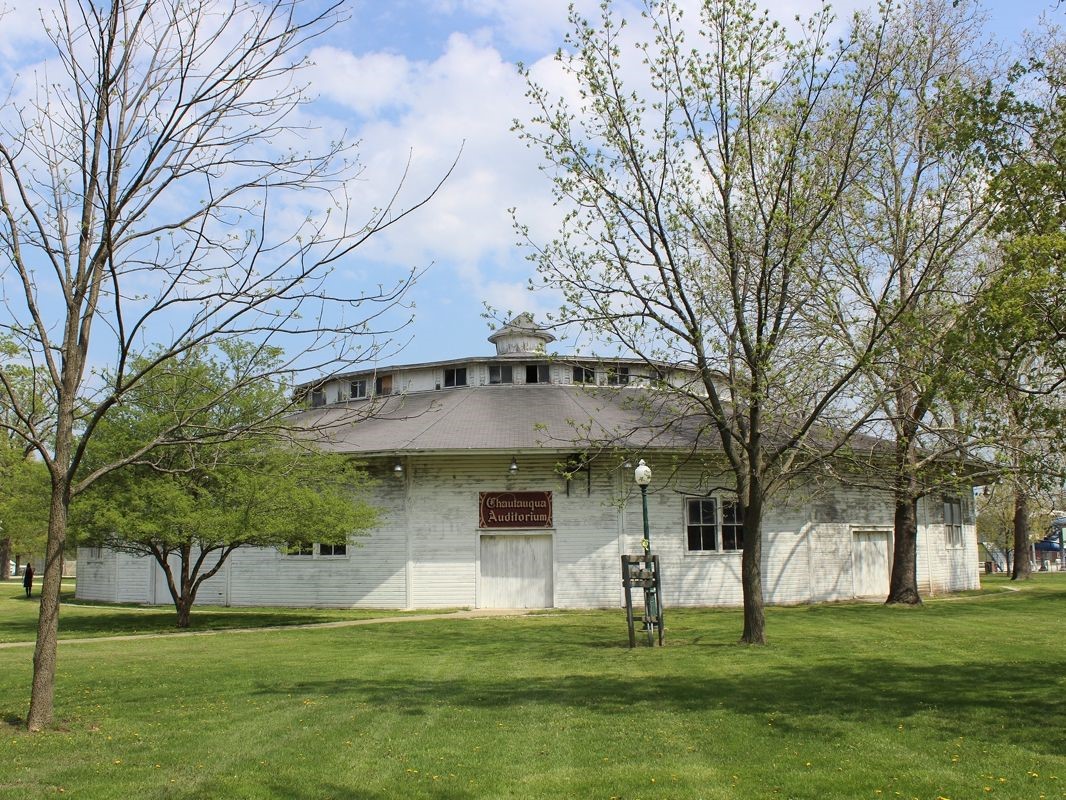
The April 2021 edition of our monthly preservation news roundup includes details on upcoming Landmarks Illinois events and programs as well as information on how you can help us advocate for vital state and federal historic preservation tax credits that continue to spur reinvestment in our historic places.
Read More
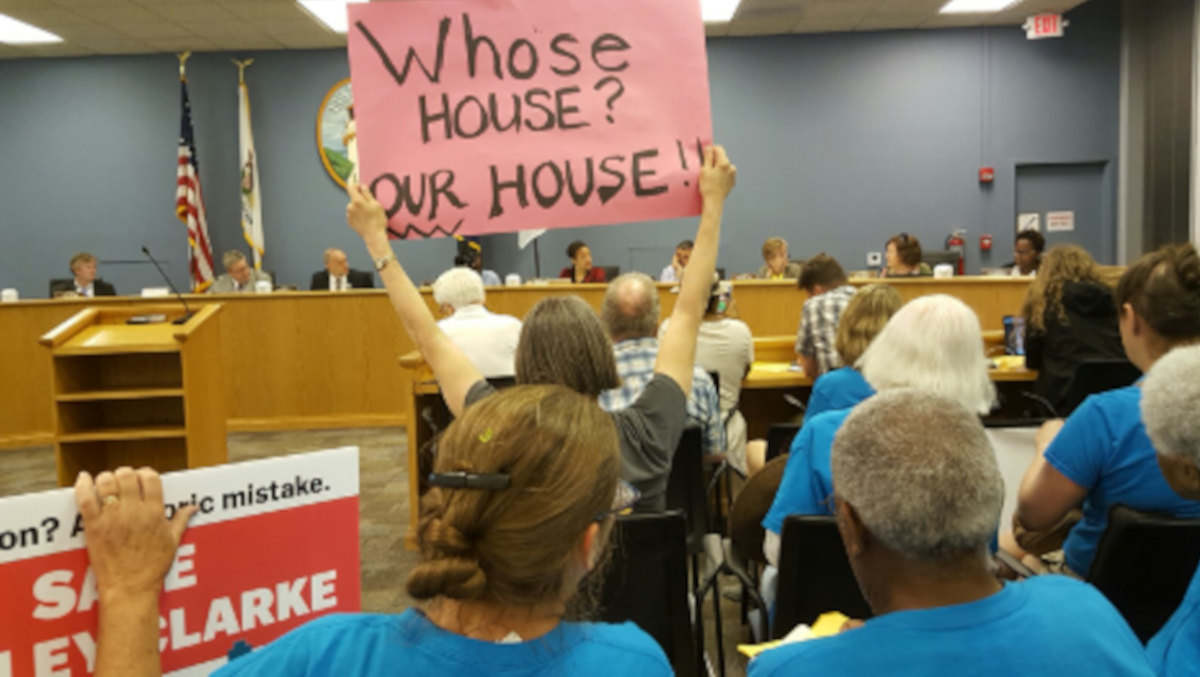
In this edition of our monthly news roundup, read the latest on the Rock Island County Courthouse, Evanston’s Harley Clarke Mansion, a successful advocacy campaign to stop a detrimental proposed ordinance in Chicago and more! You can watch videos from 50Forward and learn how to apply for a grant by our upcoming April 15 deadline!
Read More
Landmarks Illinois accepted its first preservation easement donation in 1976: the Henry Demarest Lloyd house in Winnetka. Forty-five years later, Landmarks Illinois protects 540 easement properties. The Landmarks Illinois’ Easement Committee, staffed by Director of Grants & Easements Suzanne Germann, oversees these properties and its members voluntarily give their time and expertise to ensure these historic places are maintained and preserved.
Read More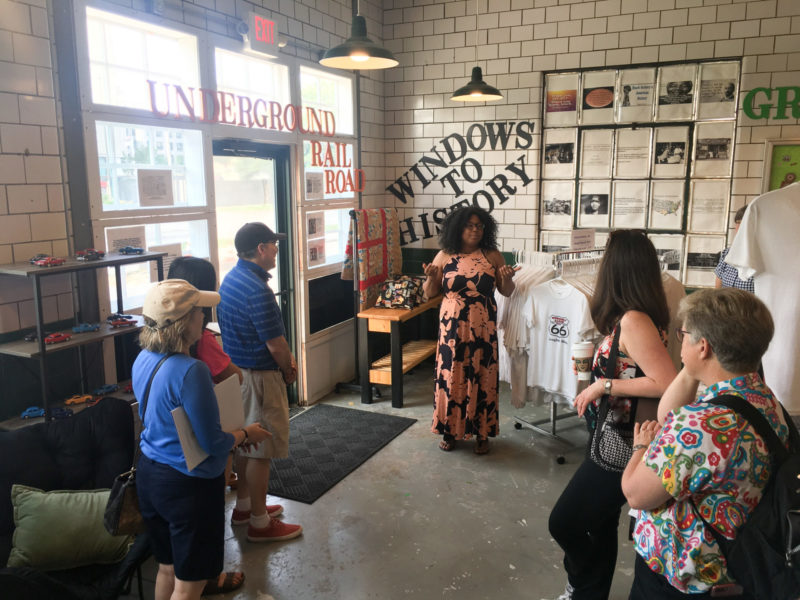
Springfield, Illinois, is widely known as the home of Abraham Lincoln and many local preservation initiatives have also been viewed through the lens of Lincoln, with buildings described as “associated with Lincoln” or simply “Lincoln era.” In this article, originally published in our February 2021 edition of The Arch newsletter, Director of Landmarks Illinois’ Springfield Office Frank Butterfield, discusses the need to focus on preserving the lesser-known Springfield stories.
Read more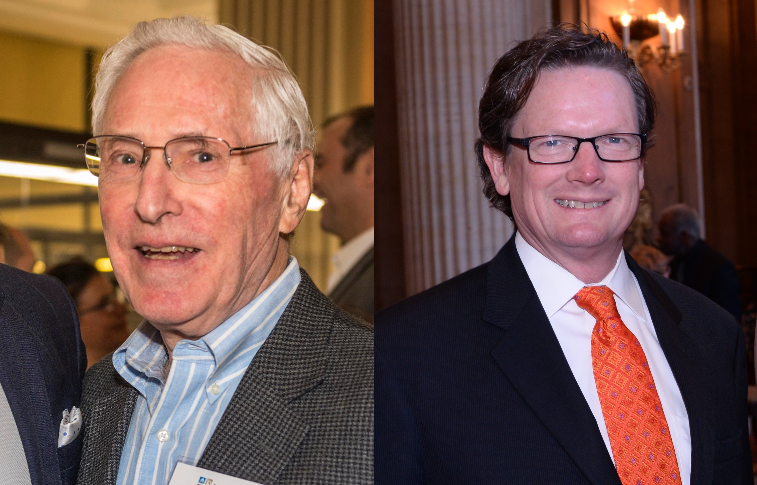
In this special interview, two longtime Landmarks Illinois Board Members and volunteers, Martin Tangora and Will Tippens, ask each other about their decades of service to the organization, what has changed over the years and what preservation projects they are most proud of. This article originally appeared in our February 2021 edition of The Arch newsletter and features reflections on the past, present and future of preservation from these two Landmarks Illinois leaders.
Read more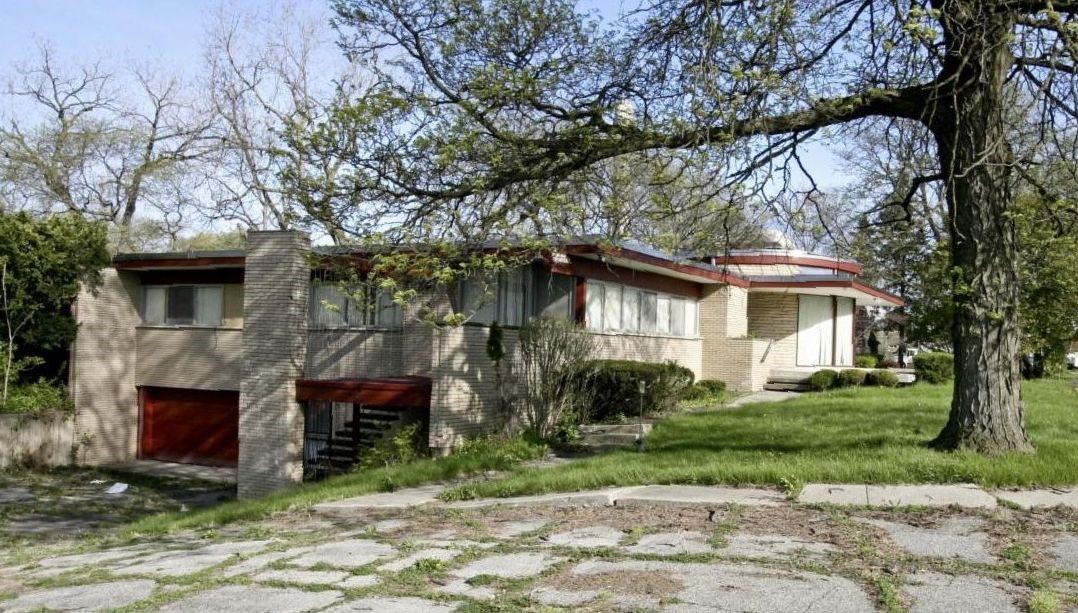
In this edition of our monthly news roundup: See photos from the Skyline Council Valentine’s Day heart bomb of Roberts Temple, learn about fundraising efforts for the S.B. Fuller Home in Robbins (pictured) and how Landmarks Illinois President & CEO Bonnie McDonald is helping to lead the Chicago Monument Project.
Read More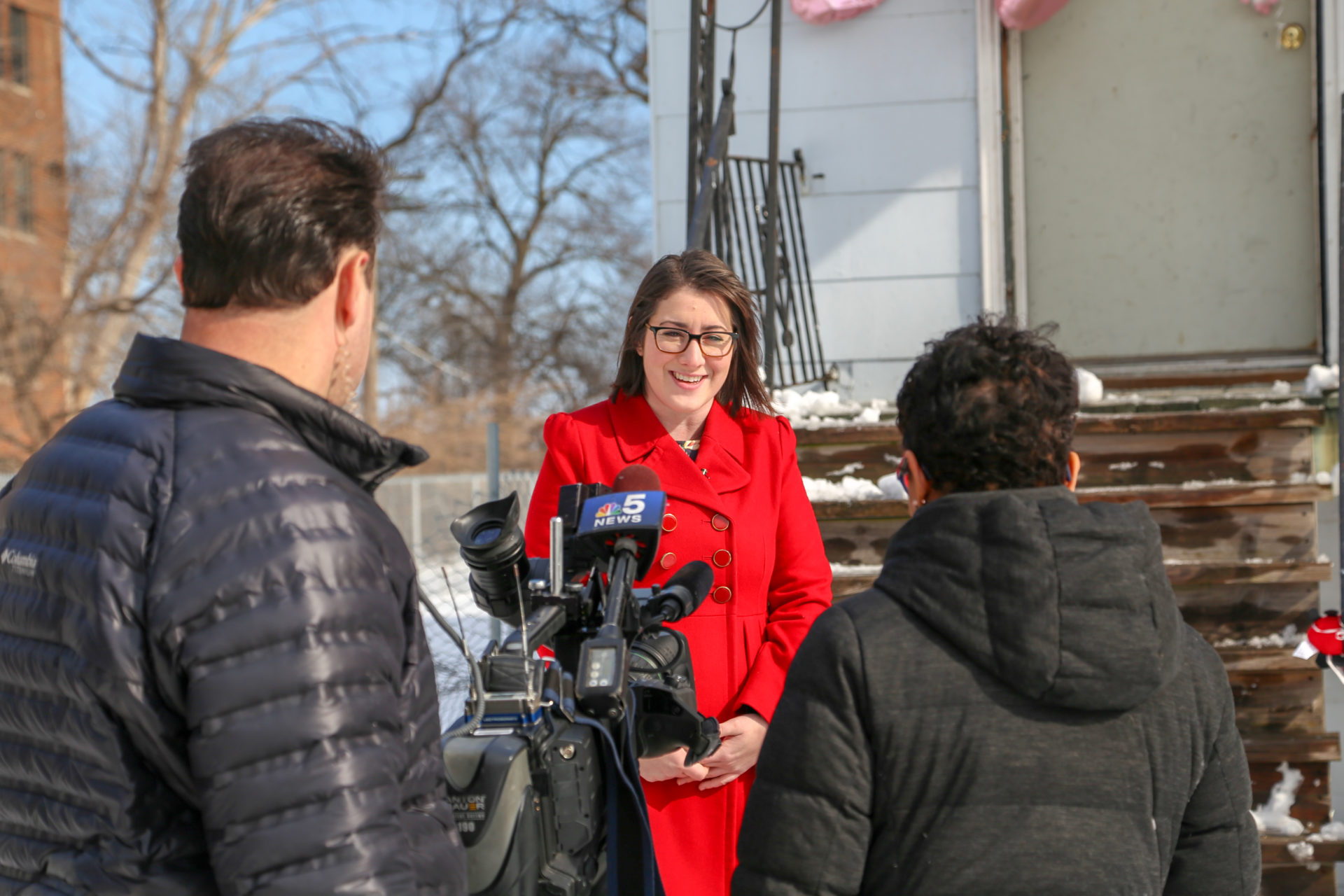
As part of our 50th Anniversary in 2021, Landmarks Illinois has named 20 “Landmarks Illinois Influencers” that it will honor at its spring fundraiser in March, 50Forward. Learn about who these leaders are and how Landmarks Illinois selected them.
Read More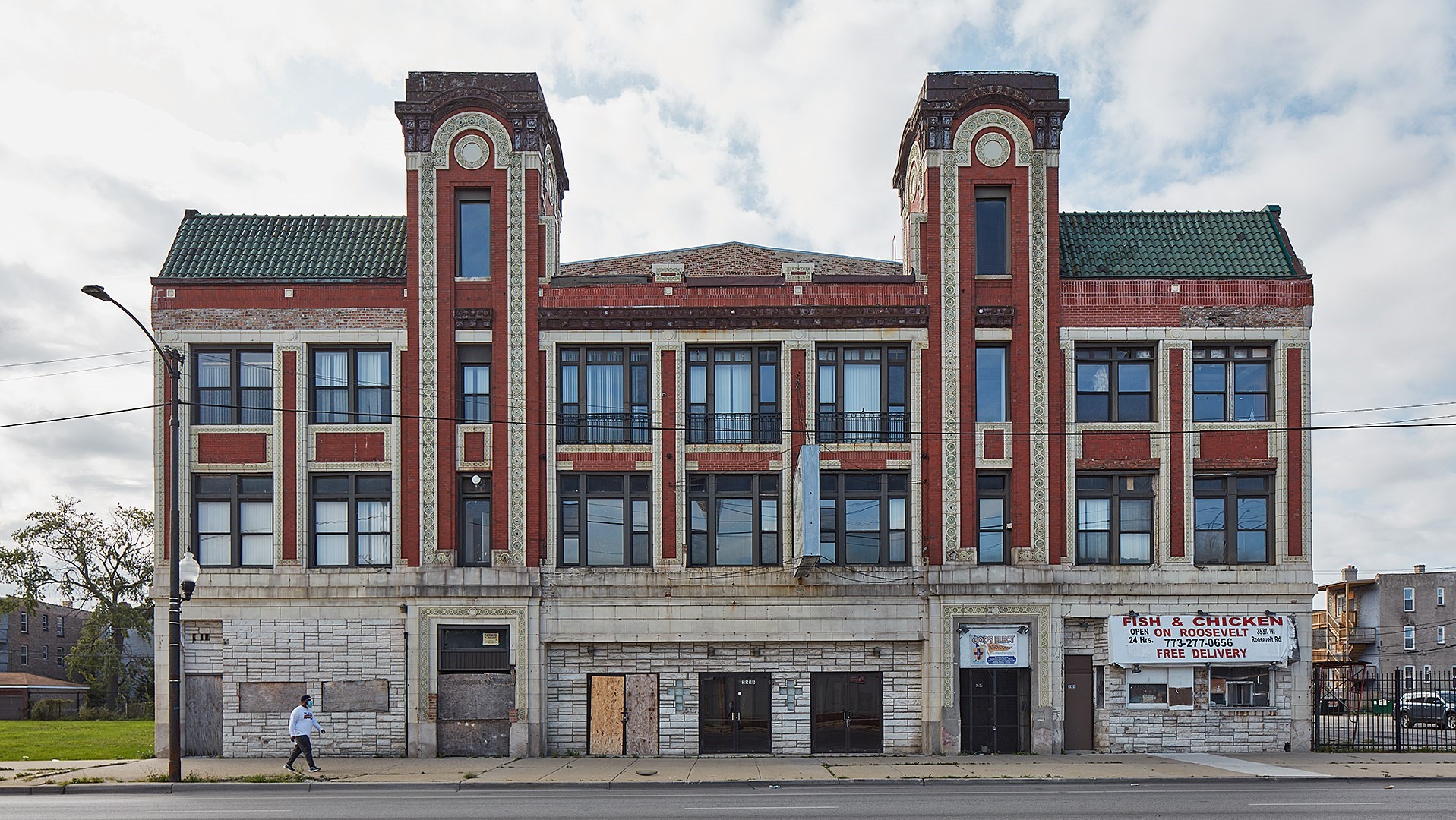
See what Landmarks Illinois has been up to since the start of the new year! In this edition of our monthly Preservation News Roundup, learn about our latest grant recipients, read about our work in Arcola and Urbana-Champaign and see how you can help us advocate for landmark designation of two historic sites in Chicago! (Pictured: Central Park Theater, home to Landmarks Illinois grant recipient House of Prayer. Credit: Tom Harris)
Read More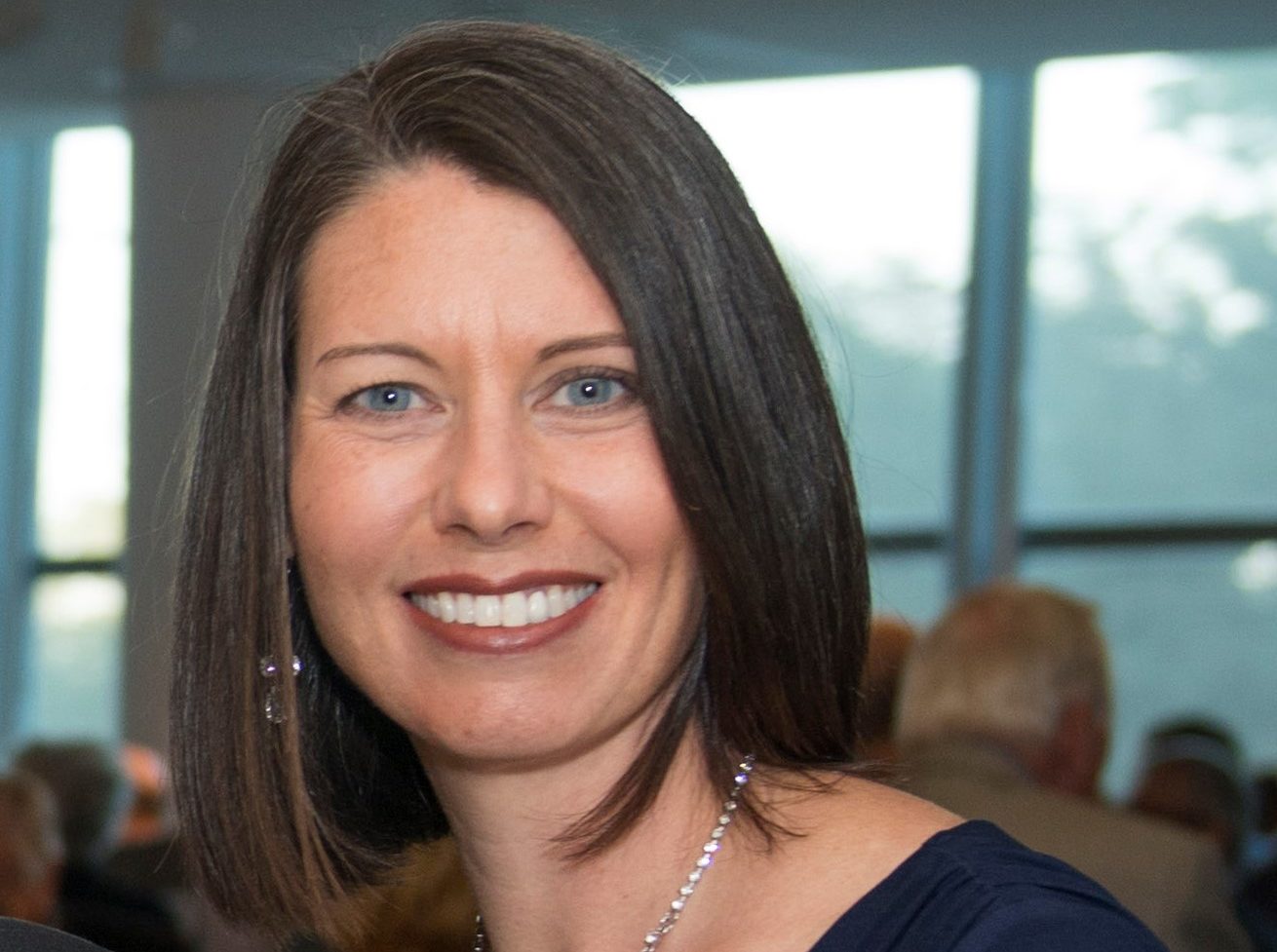
Like many, we at Landmarks Illinois are welcoming the new year with equal parts relief and joy. There’s a sense of relief that we can turn the page on 2020. It’ll be a year we’ll remember and that our organization will remember for its mark on history. There’s a more joyful reason to celebrate the dawn of 2021. This is the year that marks a milestone anniversary — 50 years of Landmarks Illinois. Fifty years of impact that you’ve made possible.
Read More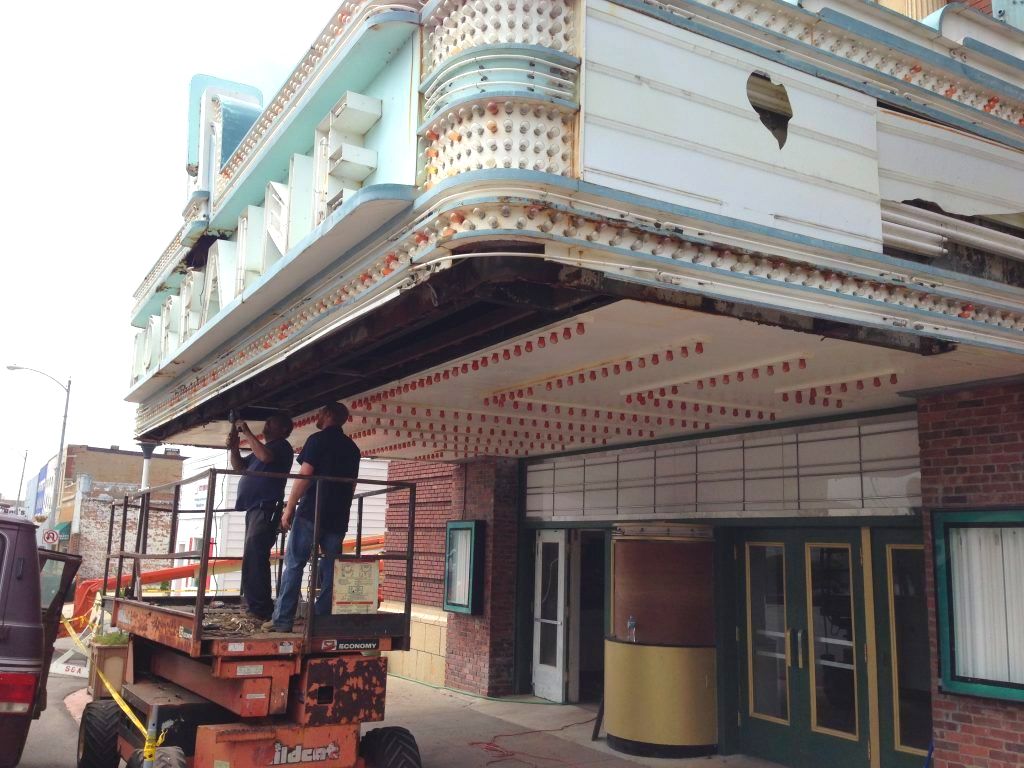
Landmarks Illinois looks back at the major advocacy efforts, projects, programs and events during 2020. Thank you to all our partners, on-the-ground advocates, members and supporters for helping us preserve our state’s culturally and historically significant places. We hope you will join us in 2021 as we continue to save places for people!
Read More
Learn about restoration work happening at the once-endangered Shelbyville Chautauqua, our assistance at the Belli & Belli-designed Miracle House at 2001 N. Nordica in Chicago’s Galewood neighborhood and other advocacy efforts throughout the state in our latest edition of our monthly news roundup. We also share the exciting news that we have launched a new “Recent Past” database on our website and received a preservation award from the City of Chicago.
Read More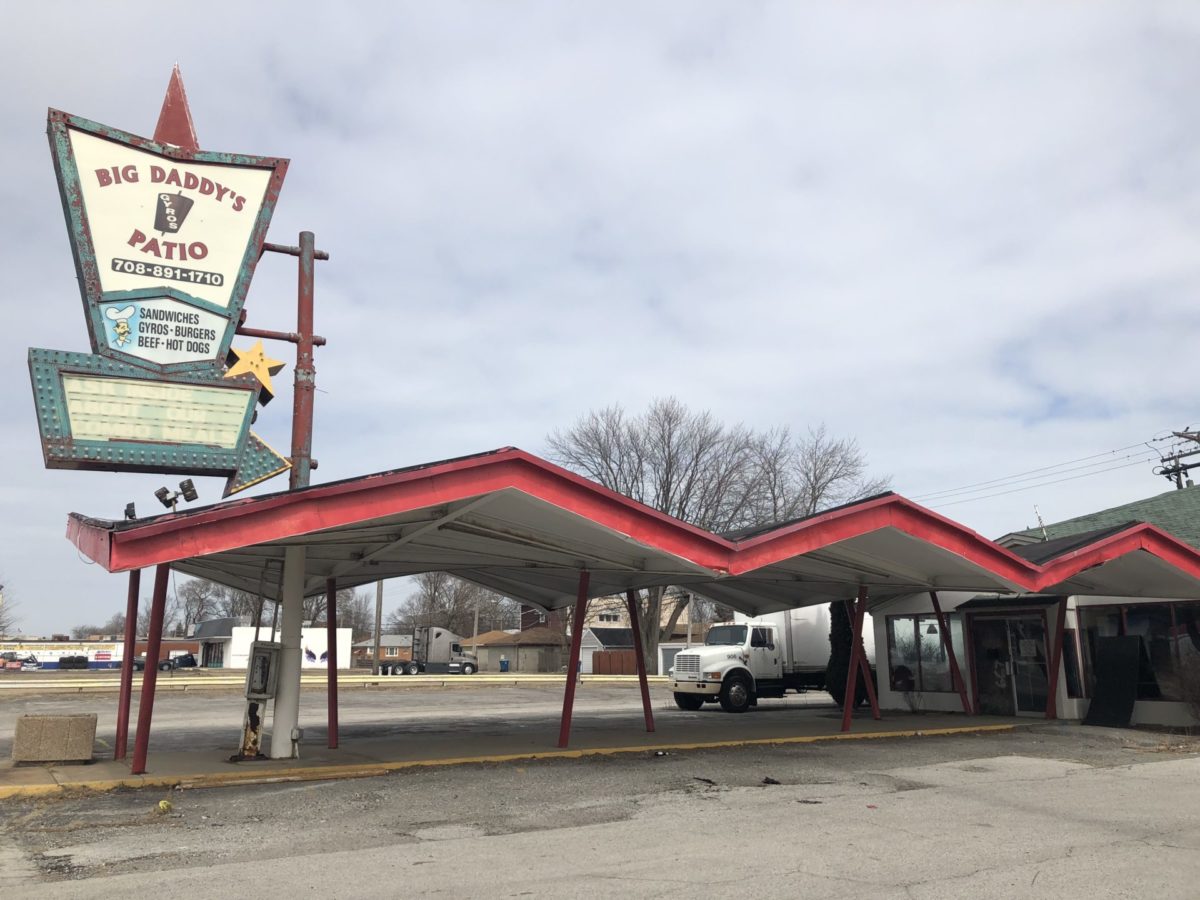
Nearly 15 years after first launching the Recent Past Survey of Suburban Cook County — a partner project with the School of the Art Institute of Chicago’s Graduate Program in Historic Preservation — Landmarks Illinois has released an updated and revamped online database that allows visitors to easily search for and learn about non-residential architectural resources built between 1935 and 1975 in dozens of Chicago suburban communities.
Read More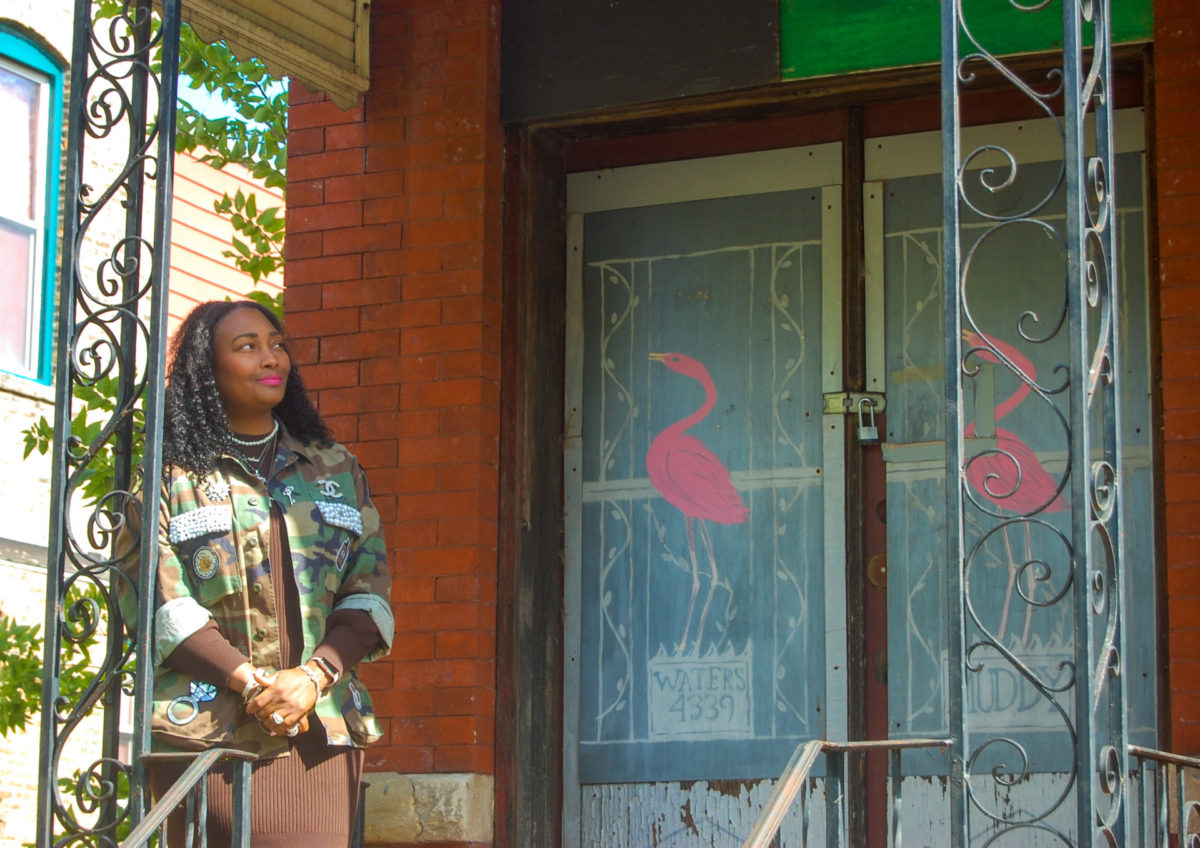
Chandra Cooper, great-granddaughter of Muddy Waters and President of the Muddy Waters Original Jam Out (MOJO) Museum, shares personal insights on the project to transform the blues legend’s former Chicago home into a museum and cultural center.
Read more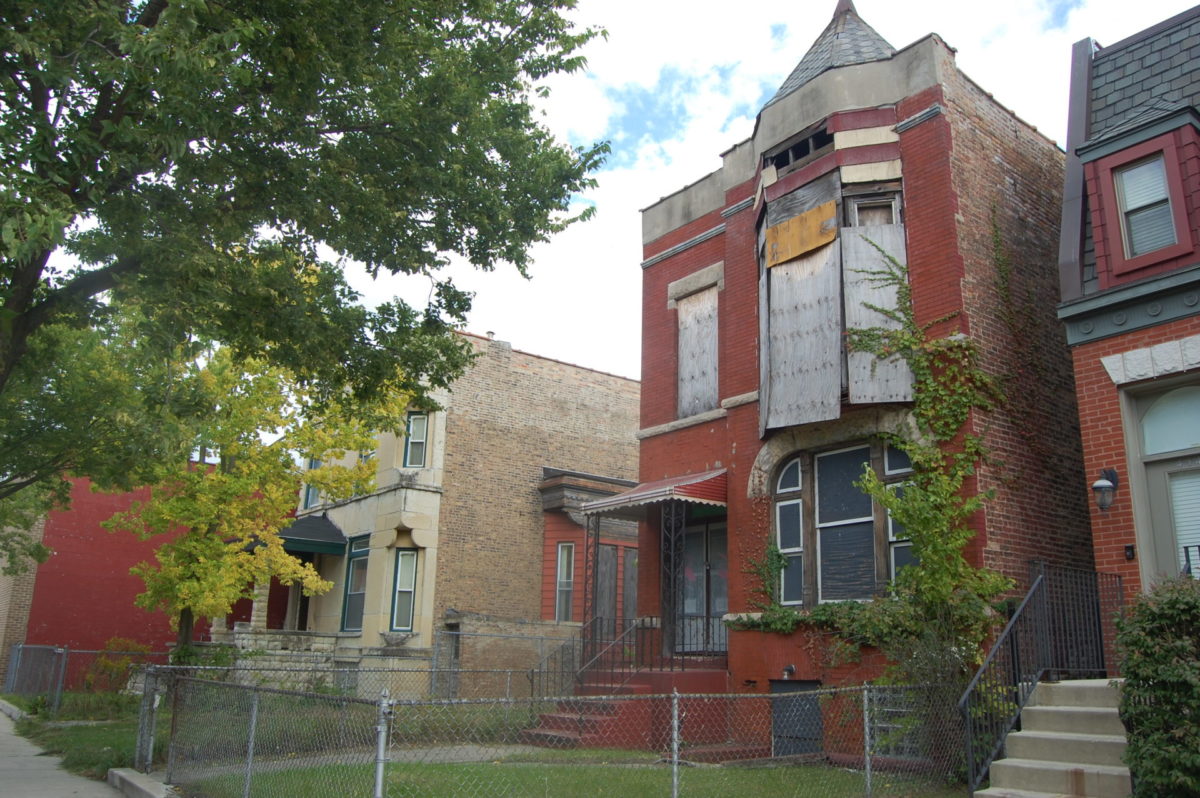
Seven years after first calling attention to the former Chicago home of Blues legend Muddy Waters, Landmarks Illinois was excited to see preservation efforts at the house take a major step forward this year. Muddy Waters Original Jam Out (MOJO) Museum, a nonprofit working to transform the North Kenwood home into a museum and cultural center, received two grants in recent months to support its restoration and redevelopment, including one from Landmarks Illinois’ new Timuel D. Black, Jr. Grant Fund for Chicago’s South Side.
Read More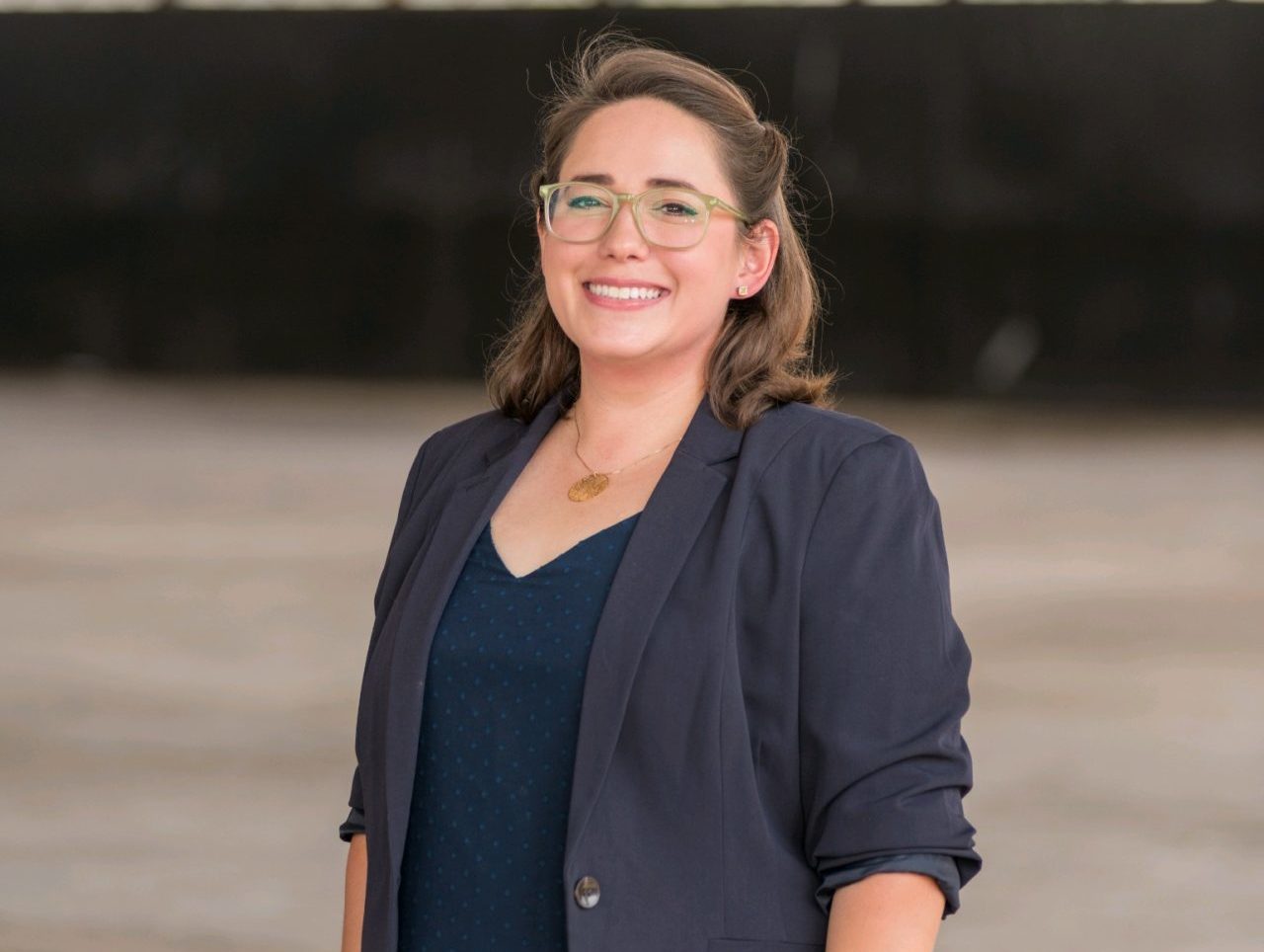
Allison Toonen-Talamo, a member of the Landmarks Illinois Board of Directors and Landmarks Illinois’ young & emerging professionals committee, the Skyline Council, recently received the American Express Aspire Award presented by the National Trust for Historic Preservation. Here, Allison shares her reaction to winning the award, talks about what motivates her to work & volunteer the long hours she does and how she inspires other young people to do the same.
Read more
For many nonprofit organizations, including Landmarks Illinois, the COVID-19 pandemic has restricted in-person events and fundraisers. Organizations have had to pivot and reimagine events to continue to engage members and donors. Learn how we have adapted our events and what is in store for 2021.
Read More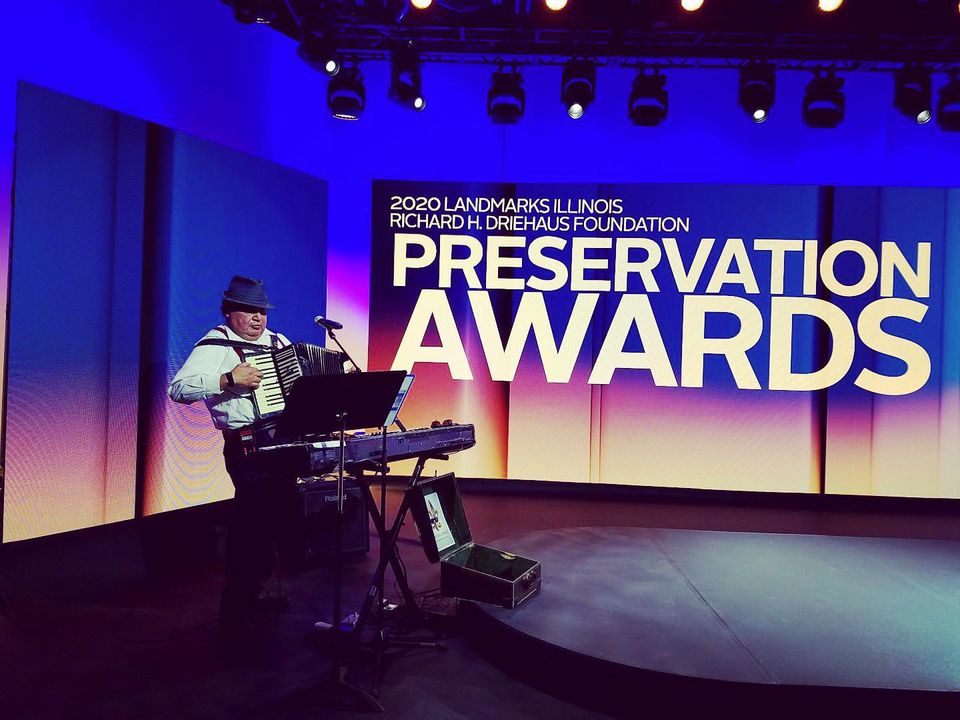
Watch the 2020 Landmarks Illinois Richard H. Driehaus Foundation Preservation Awards Ceremony, learn about the new Neighborhood Character Districts in Chicago and catch up on our latest advocacy efforts around the state in the October 2020 Preservation News Roundup. News updates include positive preservation developments in Freeport and information about a Landmarks Illinois Board Member’s recent award from the National Trust for Historic Preservation. Read the full news roundup to learn more.
READ MORE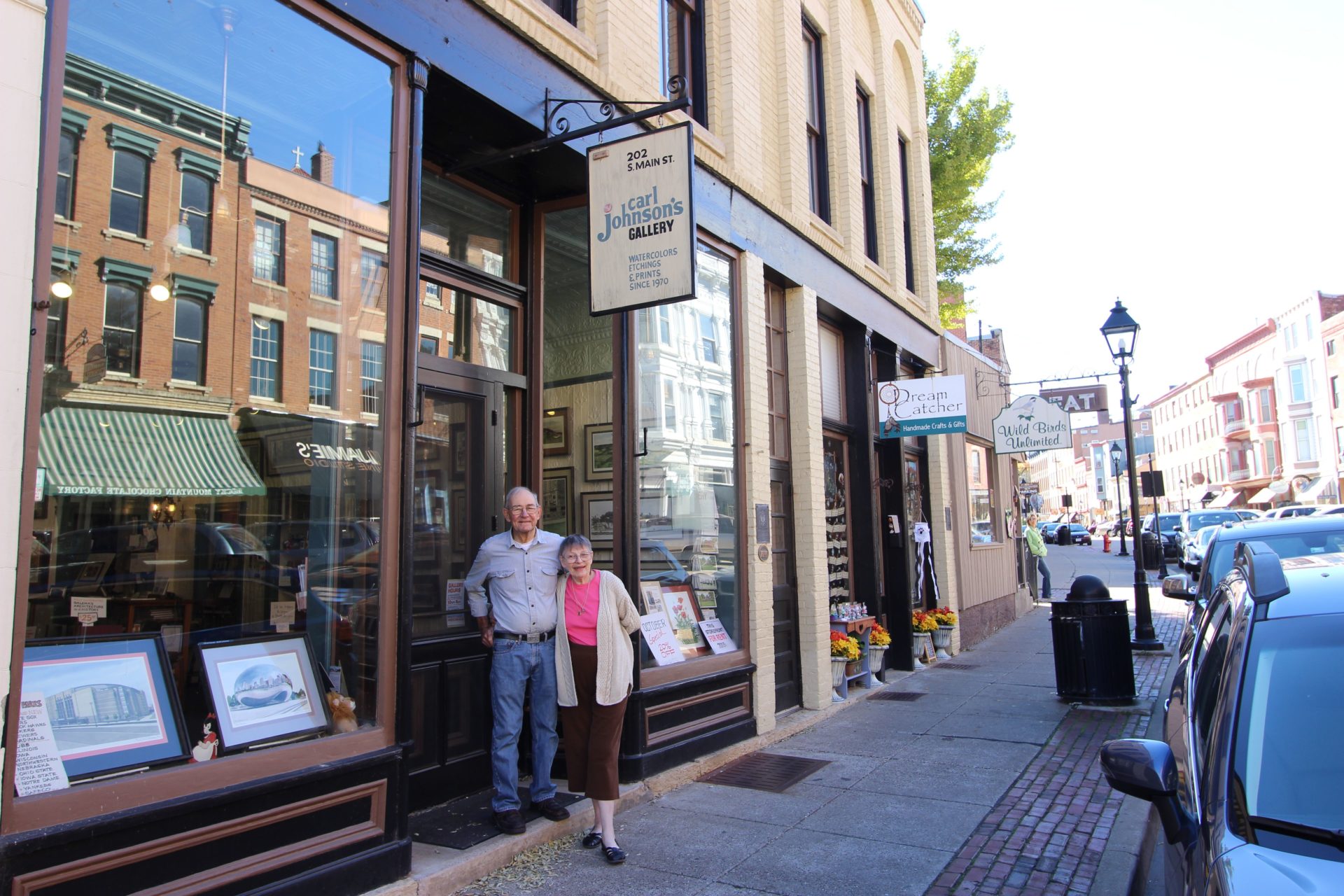
In this edition of our monthly news roundup, we feature our 2020 Landmarks Illinois Richard H. Driehaus Foundation Preservation Award winners as well as the first grant recipient of our new Timuel D. Black, Jr. Grant Fund for Chicago’s South Side, they Muddy Waters MOJO Museum. Also included is our call for nominations for Landmarks Illinois Influencers — people who have had a profound impact on our organization and preservation in our state who we will honor at our annual spring fundraiser in 2021 to commemorate our 50th Anniversary. Learn more about Landmarks Illinois’ latest advocacy efforts and projects in the September 2020 news roundup!
READ MORE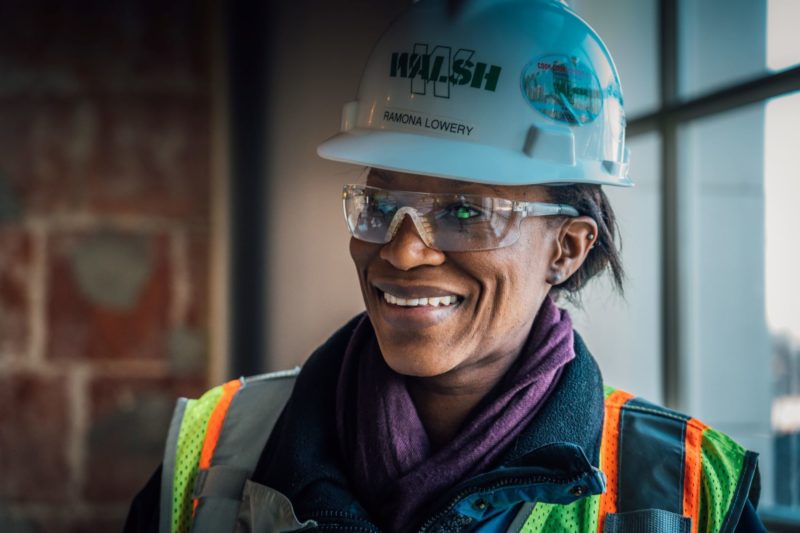
Landmarks Illinois talks with Ramona Lowery, a Project Engineer with Walsh Construction who worked on the rehabilitation project at Old Cook County Hospital. Lowery tells us what it was like to work on the historic building, what architectural details she enjoys most in the former hospital and what made the project so unique for her. (Photo credit: Walsh Construction)
Read More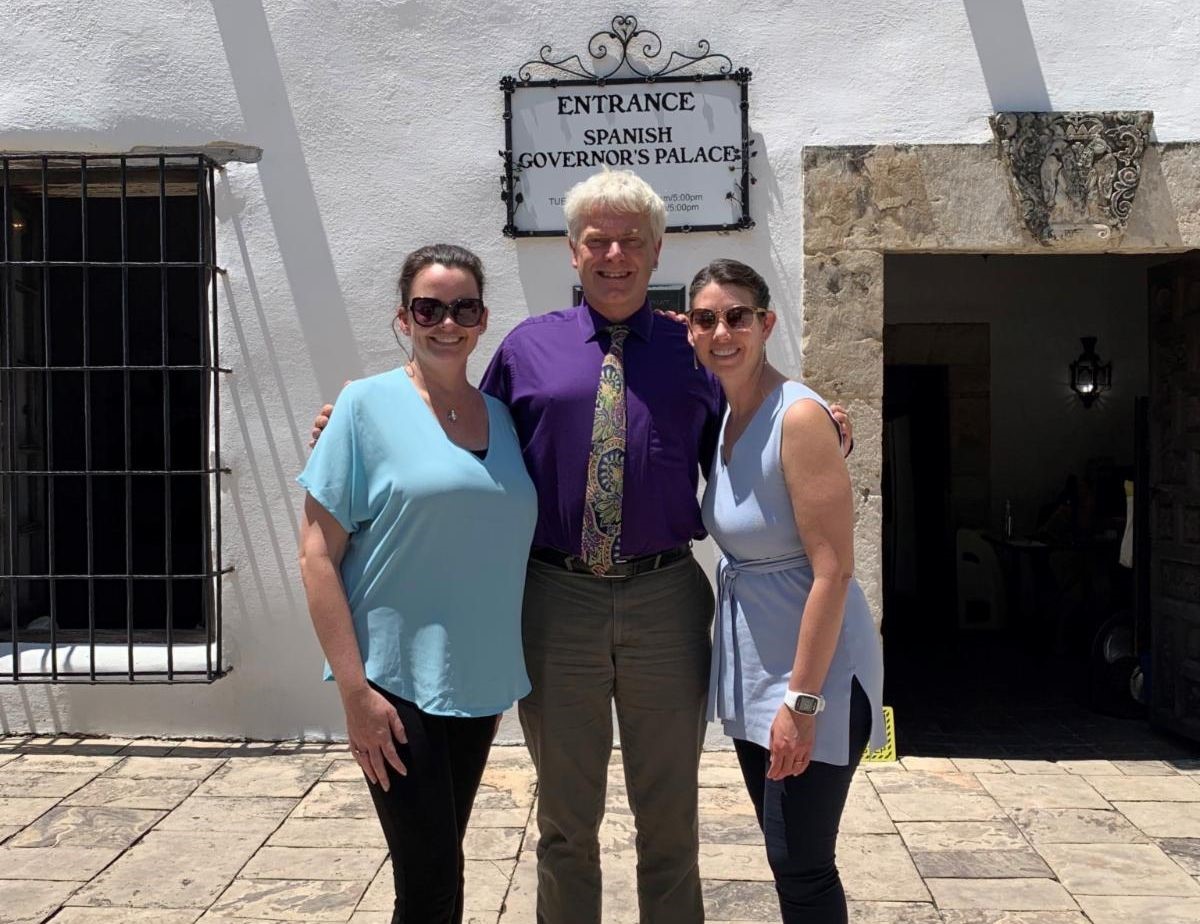
Learn about Landmarks Illinois upcoming events, like our first Preservation Snapshots Lecture of the fall and read updates on our biggest advocacy efforts for the month of August in this edition of our Preservation News Roundup. Landmarks Illinois also has big news about our President & CEO Bonnie McDonald, who was recently named a 2020 Fitch Fellow. (Pictured: McDonald (right) with Shannon Shea Miller, Historic Preservation Director for the City of San Antonio, and Vince Michael, Executive Director of the San Antonio Conservation Society, at the 300-year-old Spanish Governor’s Palace in San Antonio. McDonald visited San Antonio to conduct interviews for her fellowship project.)
Read More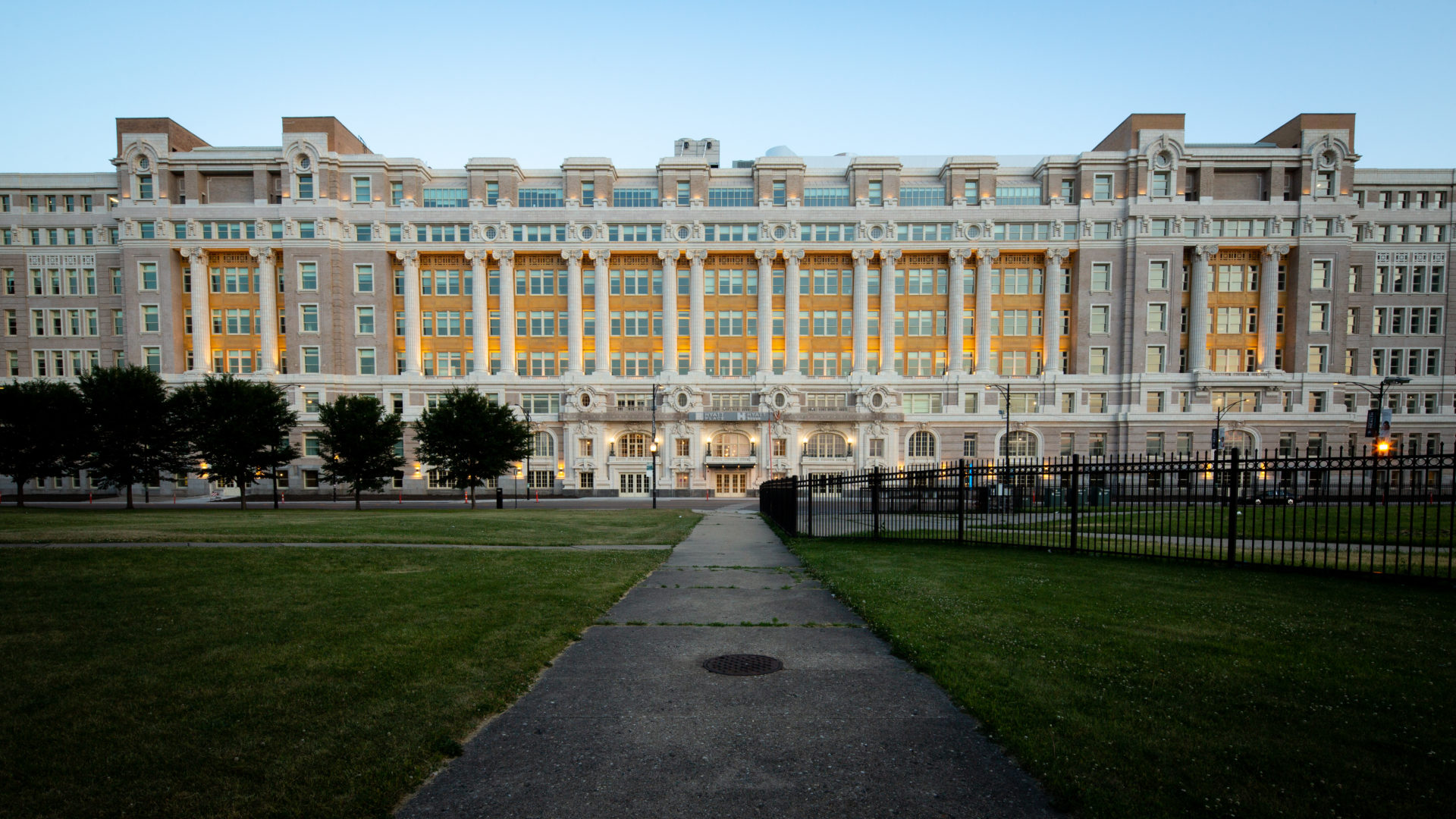
Landmarks Illinois looks back at the 20-year effort to save Old Cook County Hospital, which reopened in July 2020 as a mixed-use development following a $140 million rehabilitation led by Civic Health Development Group. This article was originally published in our August 2020 edition of The Arch print newsletter. (Photo credit: Walsh Construction)
Read more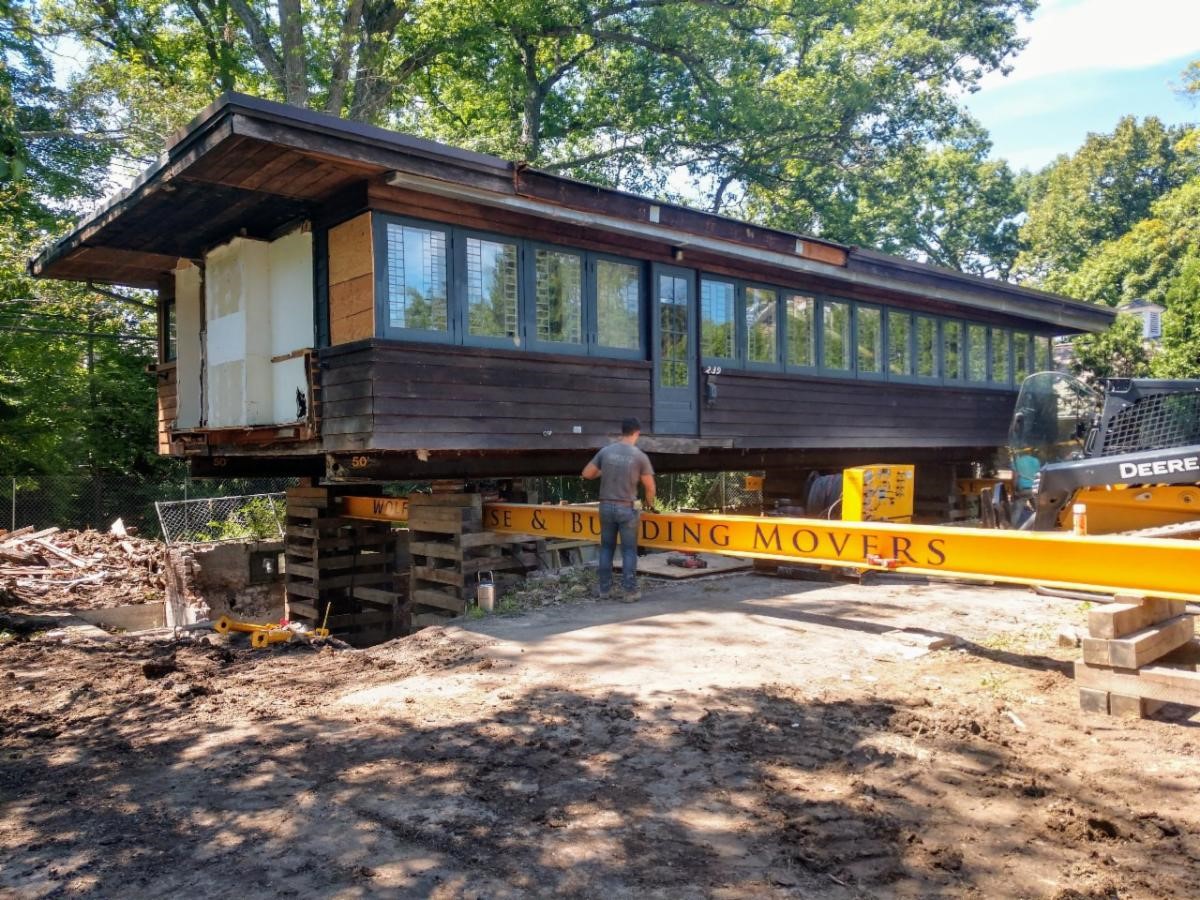
This month’s Preservation News Roundup includes updates on Landmarks Illinois’ lawsuit to prevent demolition of the Rock Island County Courthouse, the move of the historic Booth Cottage in Glencoe (pictured), Skyline Council’s new leadership and our “Women Who Built Illinois” project. Read more to learn what Landmarks Illinois has been up to this summer. (Photo courtesy of the Frank Loyd Wright Building Conservancy)
Read More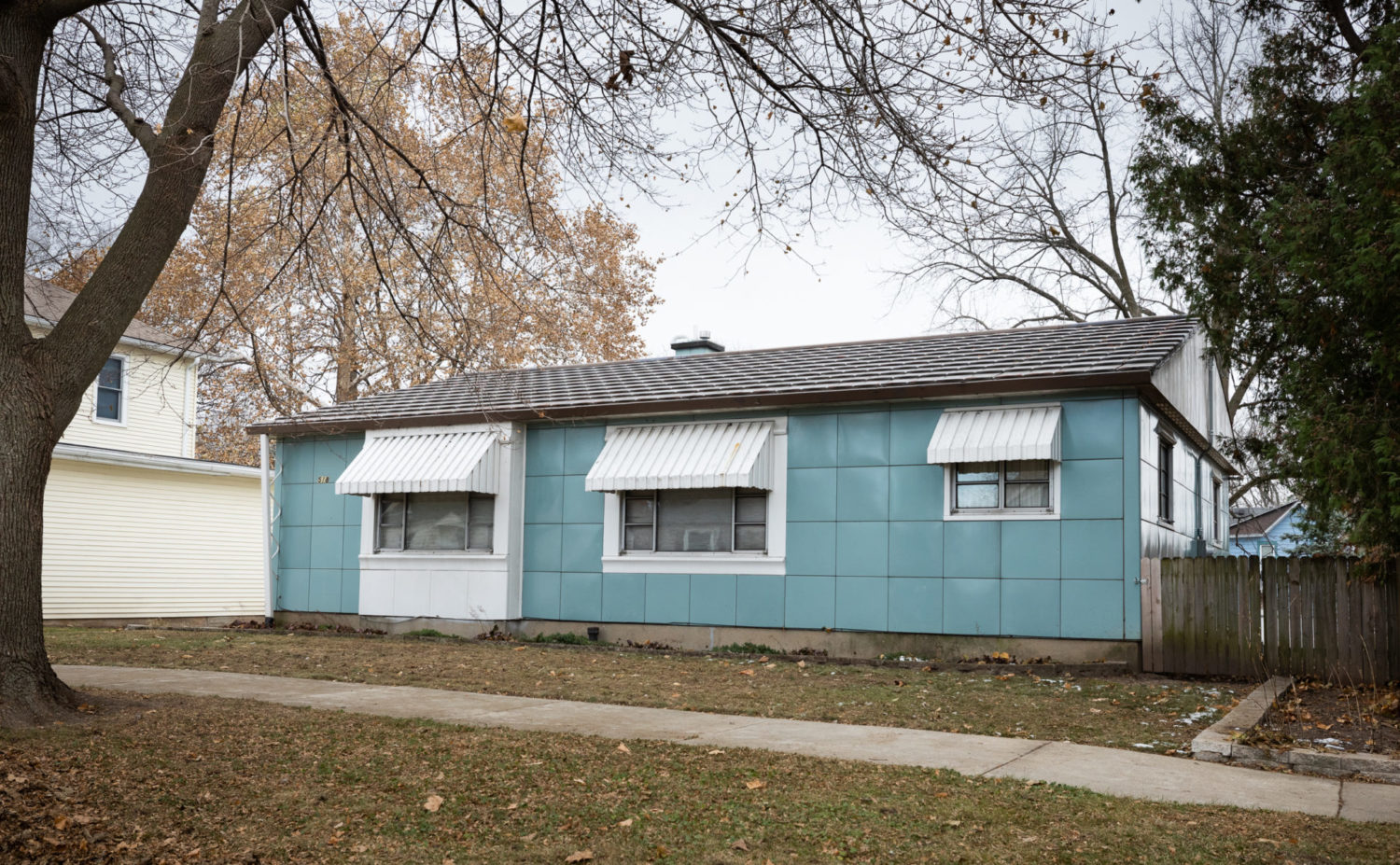
Landmarks Illinois welcomes this guest article by photographer Dirk Fletcher, who through his Lustron Photography Project has traveled the nation to document iconic Lustron homes – prefabricated enameled steel houses built by the Lustron Corporation in the United States following World War II and created by Chicago industrialist and inventor Carl Strandlund. To date, Fletcher has photographed 320 of the estimated 1,500 remaining Lustron homes in the U.S.
Read More
This year marks the 100th anniversary of the passage of the 19th Amendment, protecting women’s constitutional right to vote. Many organizations are celebrating this “Year of the Woman,” including the National Trust for Historic Preservation with its “Where Women Made History” Crowdsourcing Program. Similarly, Landmarks Illinois is launching “Women Who Built Illinois,” a database of places in the state designed, engineered and built by women. The database will be housed on our website at www.Landmarks.org later in the year.
Read More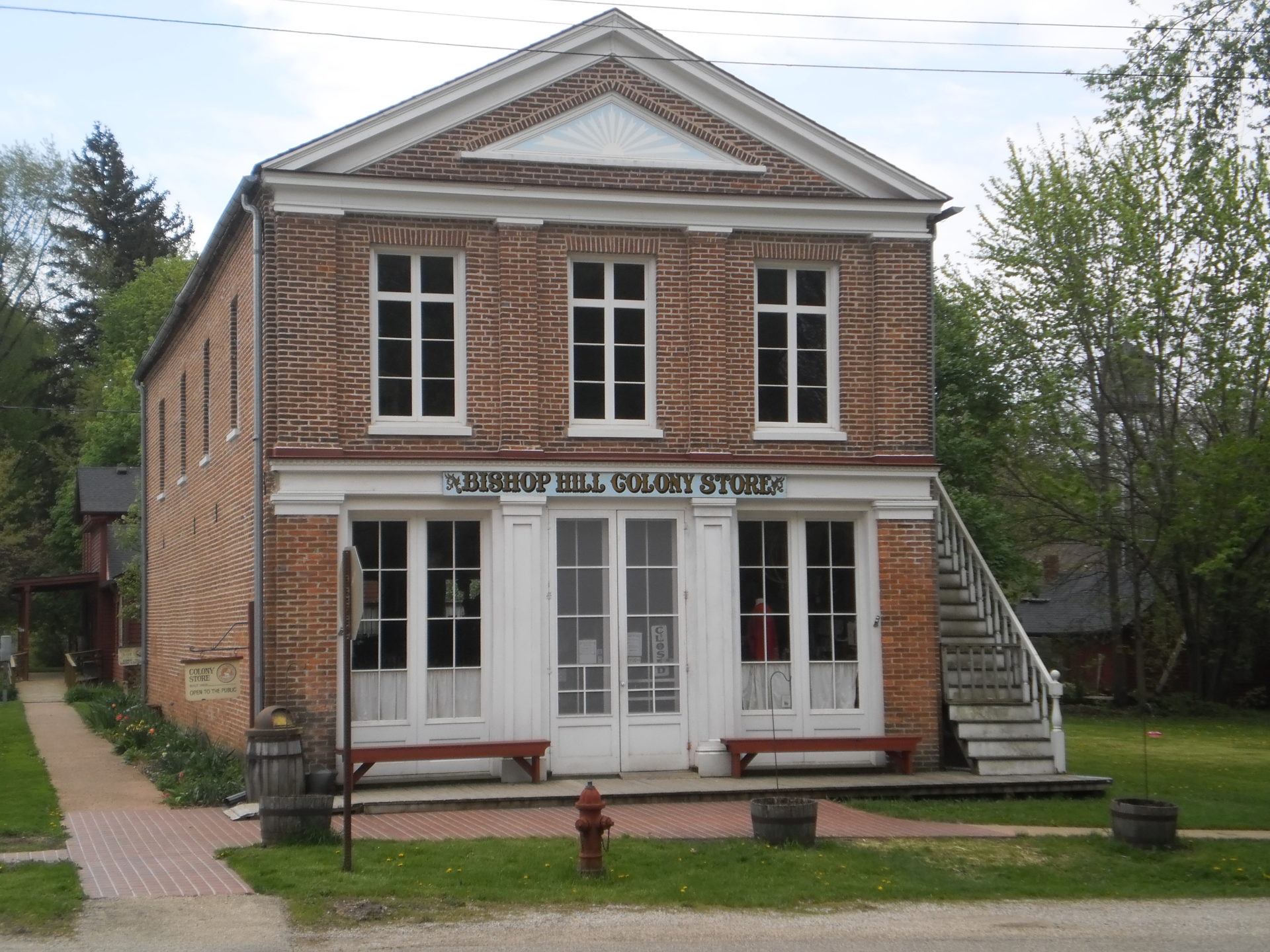
Historic sites all across Illinois have been impacted by the Coronavirus pandemic, as have the organizations that maintain them. Bishop Hill Heritage Association (BHHA), which since 1962 has been charged with preserving the Colony-era buildings that make up the historic Bishop Hill Colony in western Illinois, has been hit hard. In this blog post, Landmarks Illinois asked Todd DeDecker, administrator for the BHHA, to talk about the specific challenges the the historic community is experiencing during this unprecedented, difficult time.
Read More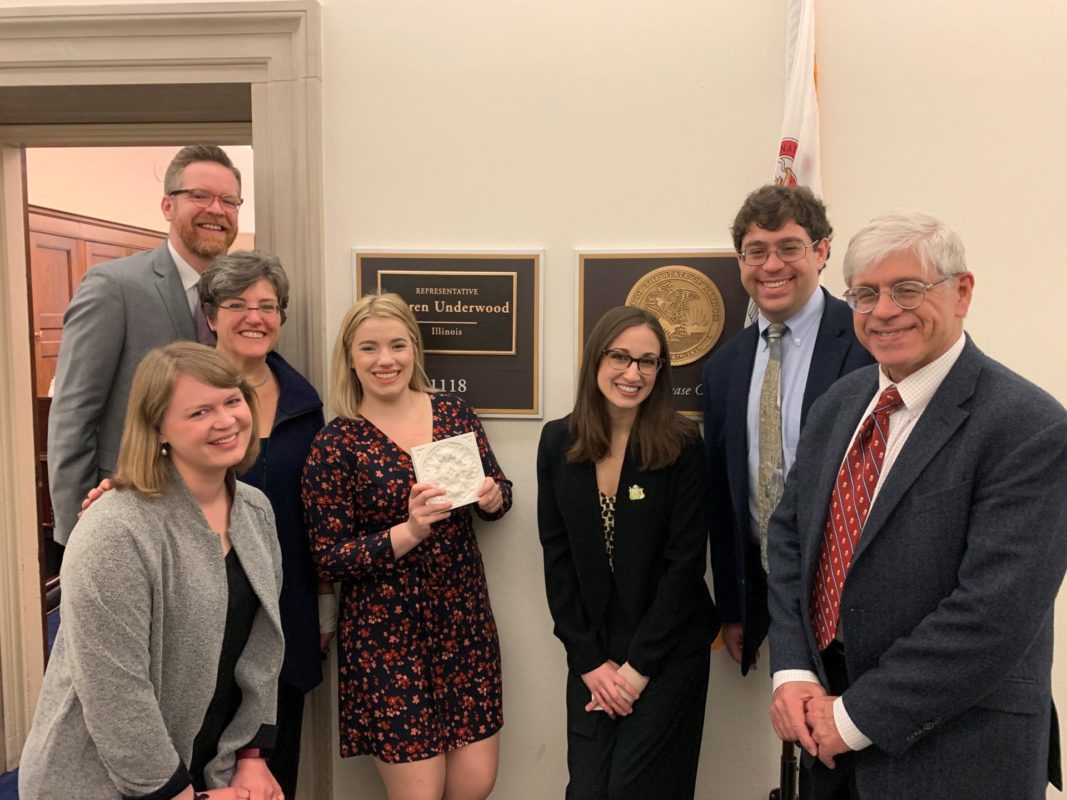
Guest author Liz Peterson, member of the Skyline Council of Landmarks Illinois and Marketing and Communications coordinator for FLATS, writes about Skyline Council members traveling to Washington, D.C., in March for Preservation Advocacy Week. Rachel Firgens, Alyssa Frystack and Carl Klein joined Landmarks Illinois Springfield Office Director Frank Butterfield and other preservation supporters to talk to lawmakers about the importance of historic preservation in Illinois and the United States.
Read More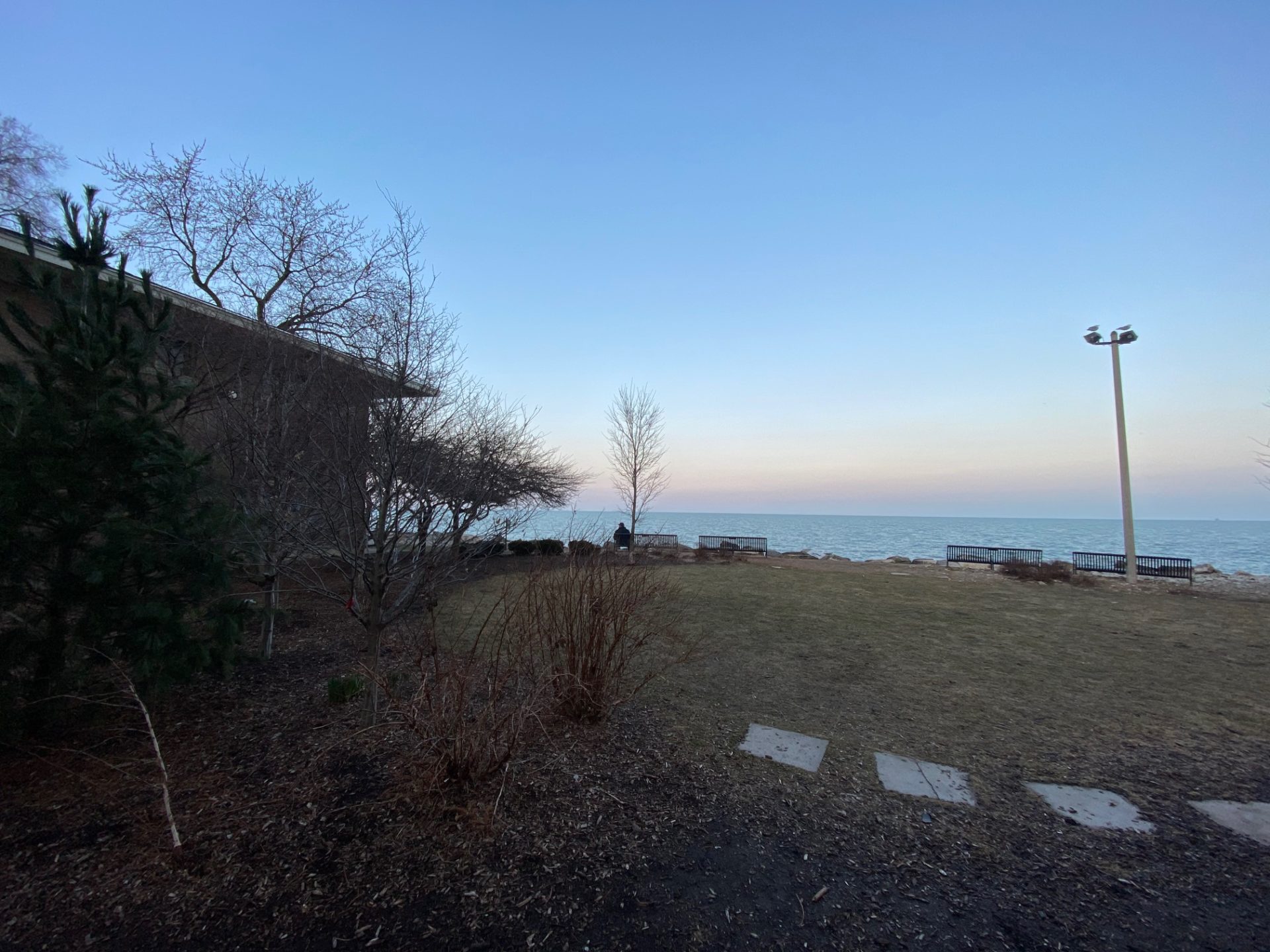
Learn how Landmarks Illinois is responding to the current COVID-19 pandemic and how our operations have changed. Also read about our #mysacredplace social media campaign to stay connected and share stories about the power of place.
Read more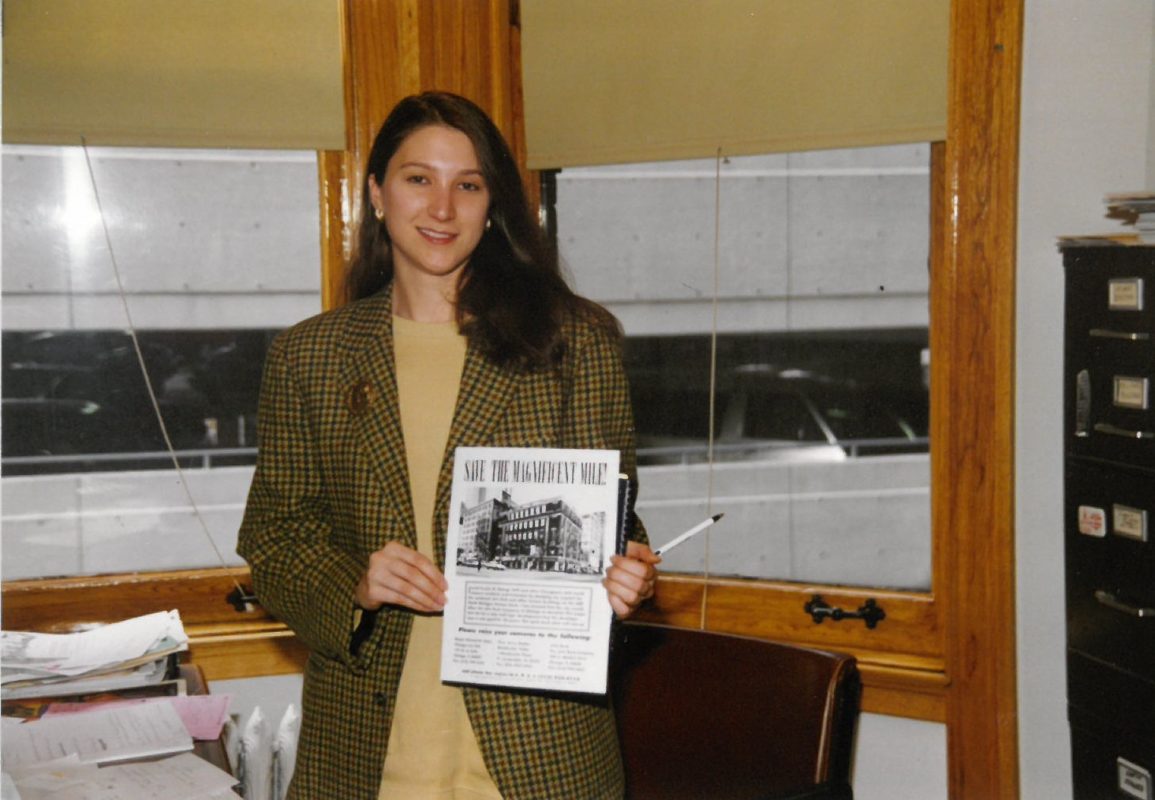
Landmarks Illinois Director of Advocacy Lisa DiChiera recently celebrated 20 years working for the organization. A Detroit native, Lisa has devoted two decades to helping people in Illinois save the places that matter to them and their communities. We asked Lisa to reflect on her time with Landmarks Illinois and tell us what it is like leading LI’s advocacy programs – the heart of our organization’s mission.
Read More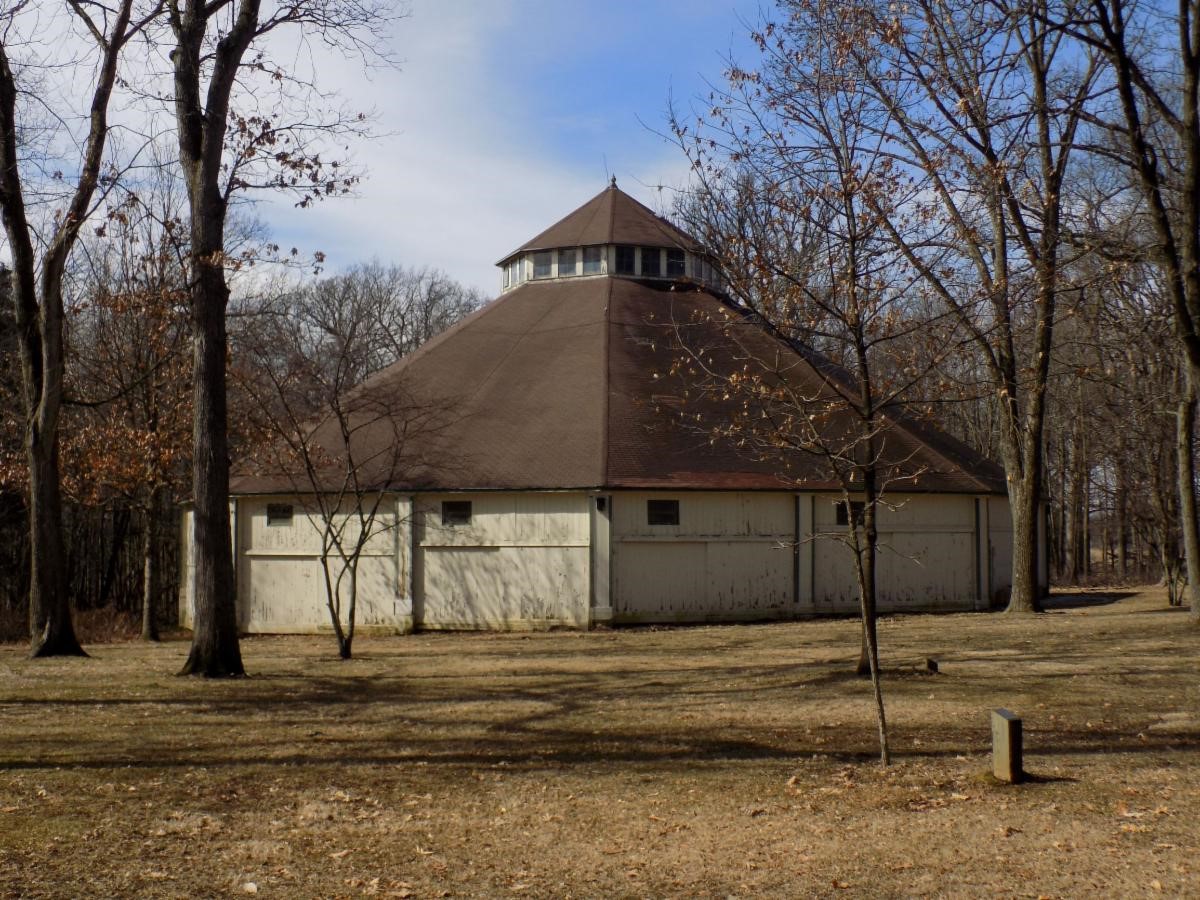
In this month’s news roundup, we provide updates on Landmarks Illinois’ preservation efforts in Chicago and Freeport, highlight our recent grant recipients and share the inspiring interview from our recent edition of The Arch on Route History in Springfield and the women who are dedicated to telling the important, historic stories of African Americans who traveled along Route 66. (Photo: Oakdale Tabernacle in Freeport. Credit: Judy Coss)
Read More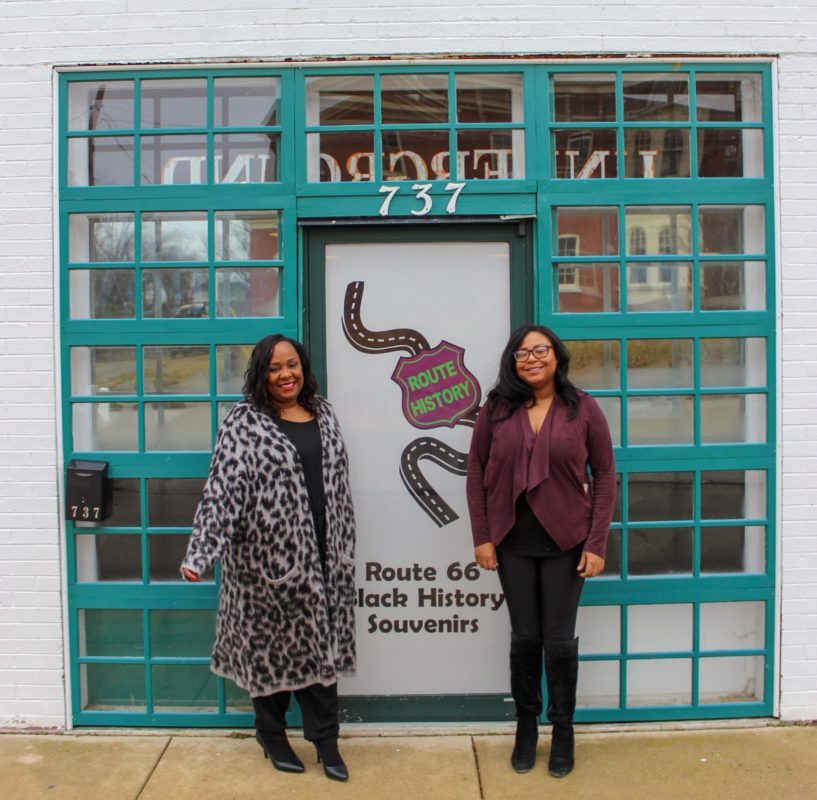
Route History is as a museum, visitor center and shop in Springfield dedicated to sharing the often forgotten or unknown stories of African Americans along Route 66 and in our state’s capitol. Gina Lathan & Stacy Grundy, President & Vice President of Route History, respectively, talked to Landmarks Illinois for the February 2020 edition of The Arch newsletter. (Photo: Gina Lathan (left) and Stacy Grundy outside Route History in Springfield)
Read the interview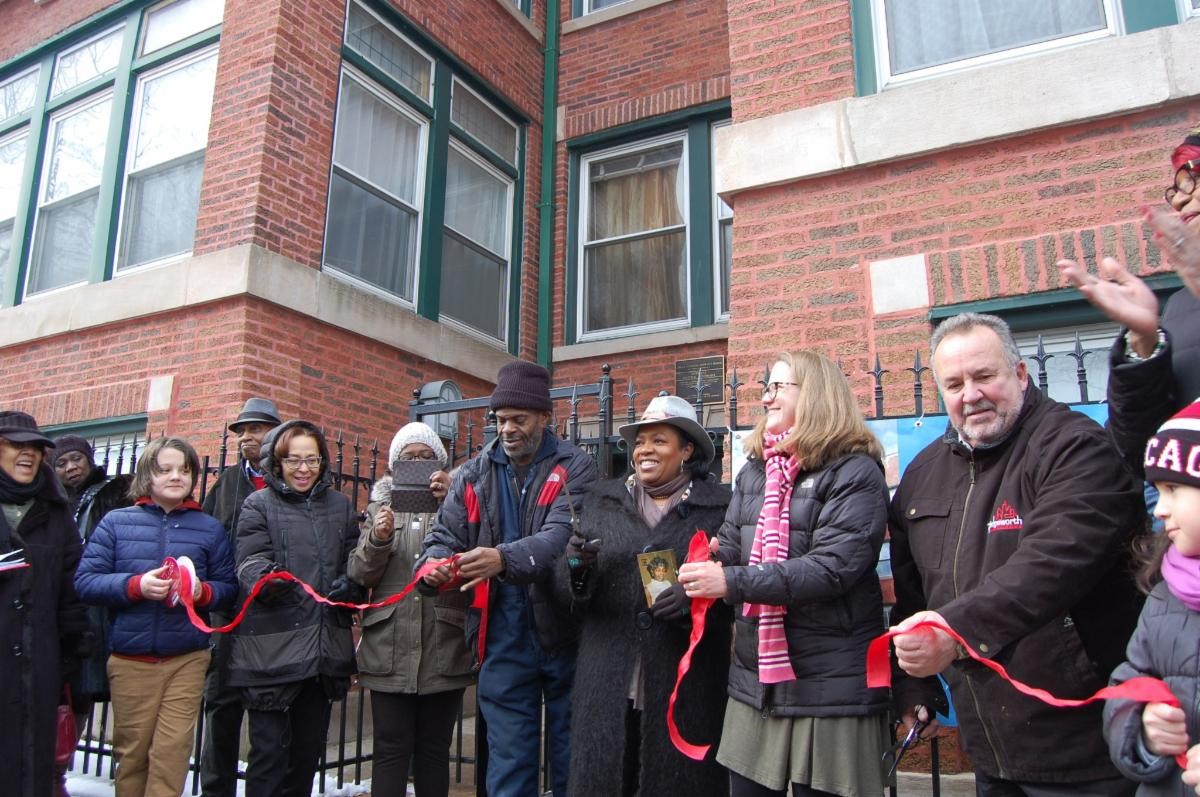
Read up on the latest news, projects and advocacy efforts of Landmarks Illinois. Our January 2020 News Roundup features information a community event we held on Martin Luther King Day in Chicago’s Bronzeville neighborhood, our work to prevent National Register-listed buildings in Springfield’s historic district from being demolished, updates on a Most Endangered site in Glencoe and much more! (Photo: Landmarks Illinois, project partners and community supporters join Kimberly Echols in cutting the ribbon outside the Oscar Stanton De Priest Apartment Building on January 20.)
Read More
LI takes a look back at our biggest advocacy efforts, programs and events during 2019. From filing a lawsuit for only the seventh time in LI’s history, to sending an iconic kitchen off on a national touring exhibit and seeing the first statewide historic preservation tax credit go into effect after a decade of advocating for it – a lot has happened this year! We are proud of the work we accomplished in 2019 as we helped people throughout the state of Illinois save the special and historic places in their communities. Thank you to all who make our work possible and continue to support us! Read our year in review newsletter to see all we have been up to these last 12 months!
Read more
The November 2019 Preservation News Roundup includes updates on Landmarks Illinois’ advocacy efforts to save the Rock Island County Courthouse, the James R. Thompson Center in Chicago and the former St. Mary’s church in Joliet. The roundup also includes the latest on the Harley Clarke Mansion in Evanston, Skyline Council’s latest projects and events and the Eastlawn School in Paxton.
Read More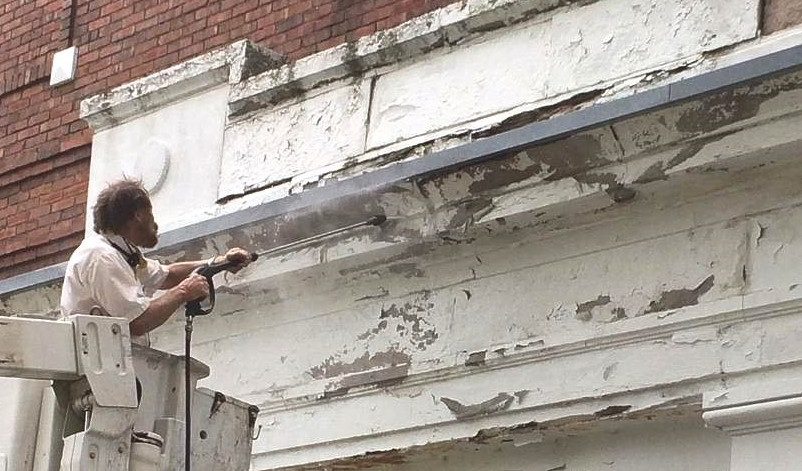
This month’s Preservation News Roundup includes updates on LI’s advocacy efforts in Paxton, Joliet and Chicago’s Edgewater neighborhood, as well as major LI announcements such as our recent grant recipients and our annual preservation awards ceremony. Read our full roundup to see what all LI was up to this month! (Photo: Exterior work taking place on the Lincoln Elementary School in Rochelle, which the Vince Carney Community Theatre is restoring with plans to open a community theater. LI gave a Preservation Heritage Fund grant to the theater group for the project.)
Read More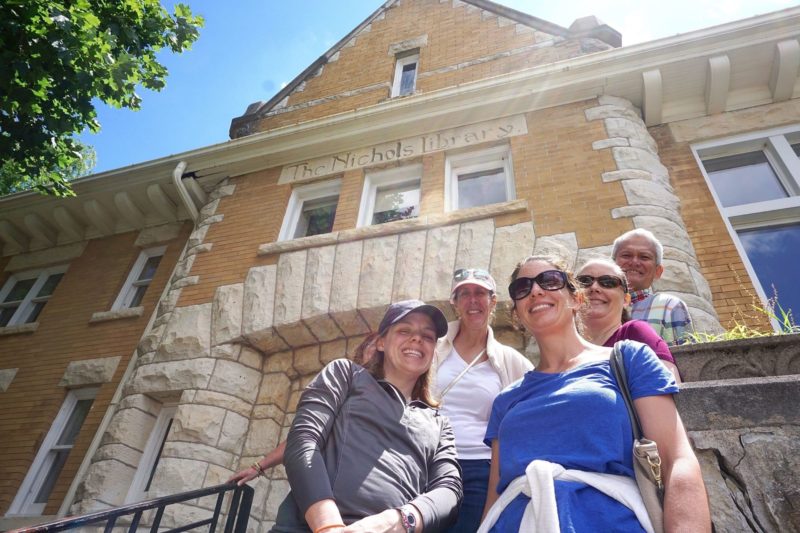
Landmarks Illinois talks with Becky Simon, President of the newly formed nonprofit Naperville Preservation Inc., which launched earlier this month to promote preservation in the Chicago suburb. The group began as Save Old Nichols, a small grassroots effort to prevent Naperville’s first ever library from being demolished. Simon shares her insights and experience with leading a new preservation nonprofit and tips for saving places in your community.
Read More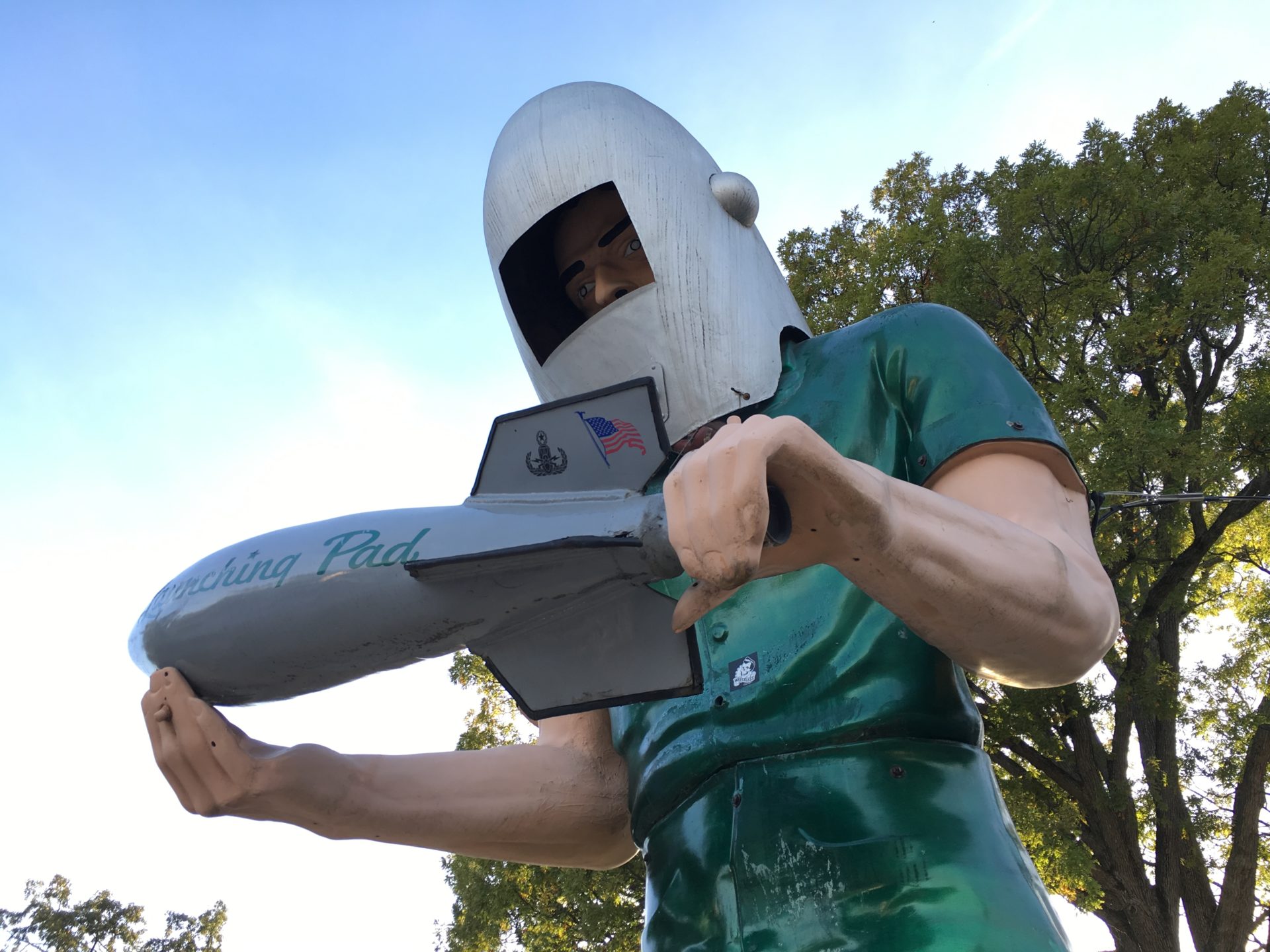
Landmarks Illinois President & CEO Bonnie McDonald has been appointed to the Illinois Route 66 Centennial Commission, which is dedicated to planning and promoting future events to celebrate the 100-year anniversary of the “Mother Road” in 2026. Read our post to learn more about this new commission and LI’s ongoing advocacy efforts to save places along Route 66 in our state. (Pictured: Gemini Giant in Wilmington along Route 66)
Read More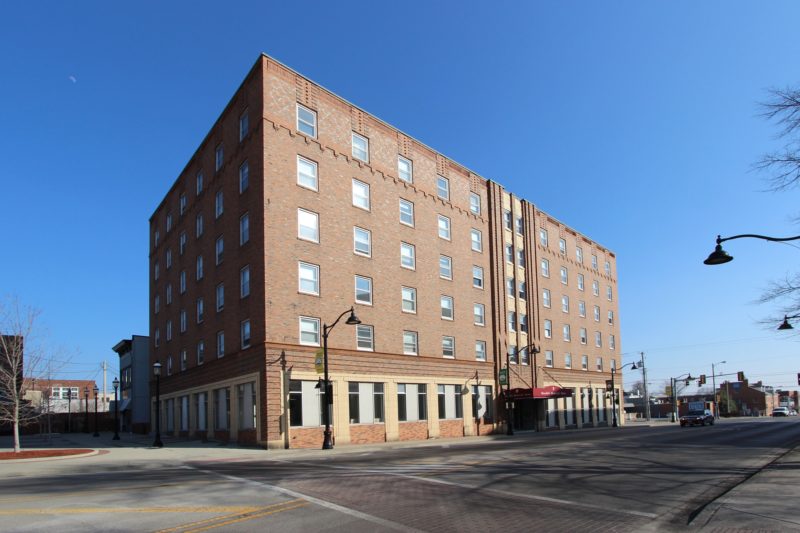
An annual study prepared by Rutgers for the National Parks Service shows the extensive positive impacts the Federal Historic Tax Credit has on the nation’s economy. In Illinois alone, during the federal government’s 2018 fiscal year, the Federal HTC contributed to $520 million in output in terms of goods and services and created nearly 4,000 new jobs across the state. Read our blog post that highlights these impressive stats on both the state and national level.
Read More
LI’s monthly news roundup features the top advocacy efforts and preservation stories for the month. For September, we update you on preservation projects in Bloomington to save the former State Farm headquarter building, a community meeting in Rock Island to discuss the furure of the historic courthouse and provide an updated condition assessment report for the Harley Clarke Mansion in Evanston. Stay up to date with LI’s latest projects and news by viewing this monthly newsletter!
Read More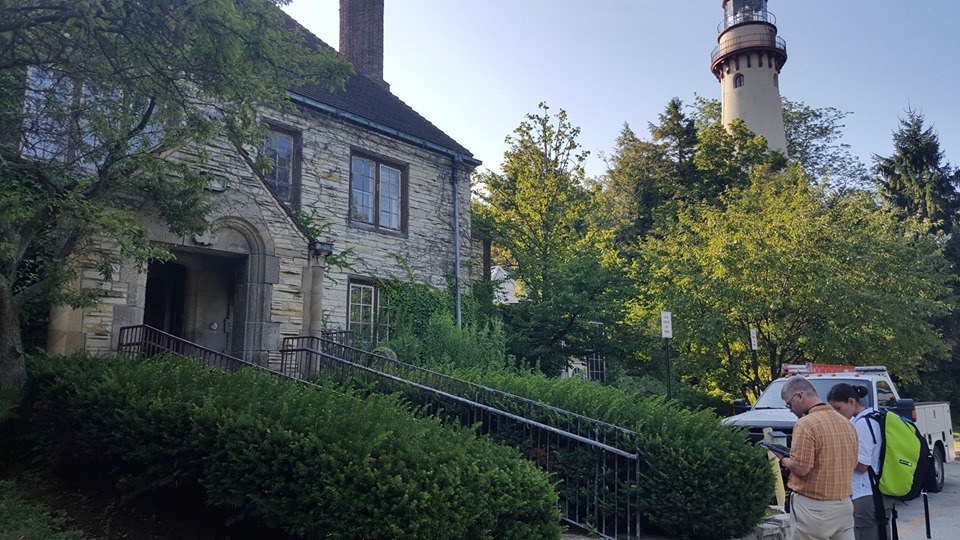
On behalf of Landmarks Illinois, Wiss, Janney, Elstner Associates, Inc. (WJE) has prepared an updated condition assessment report on the historic Harley Clarke Mansion and coach house in Evanston. Landmarks Illinois is publicly providing the revised WJE condition assessment for all parties interested in responding to the city’s RFP for long-term lease, rehabilitation and reuse of the architecturally and culturally significant property. (Photo: Representatives from WJE perform a condition assessment at Harley Clarke in August 2019)
Read more
This month’s Landmarks Illinois news roundup features the announcement of our 2019 Landmarks Illinois Richard H. Driehaus Foundation Preservation Award recipients, updated on our advocacy efforts in Oak Park and Bloomington and new of the state moving forward with the sale of the James R. Thompson Center. Read the monthly newsletter for all this and more update on what LI has been up to in August!
Read More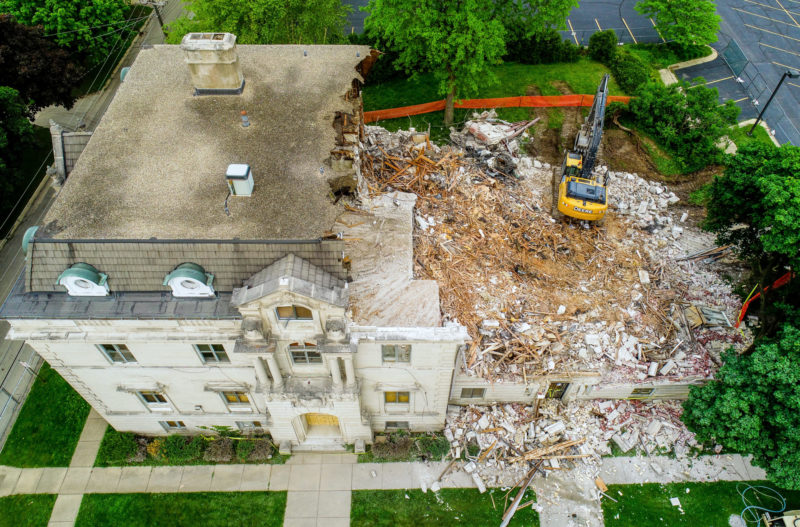
Landmarks Illinois Director of Advocacy Lisa DiChiera discusses the ongoing challenges associated with preserving historic structures owned by religious groups. Focusing on the recent demolition of the Chancery in Rockford, included on LI’s 2019 Most Endangered Historic Places in Illinois, Lisa examines successes and losses in Chicago and beyond of convincing religious entities to sell and reuse their historic structures rather than tear them down. This article was originally published in Landmarks Illinois’ August 2019 edition of The Arch newsletter. (Photo: An aerial shot shows demolition of the Chancery in Rockford in June. Courtesy: Don Bissell)
Read More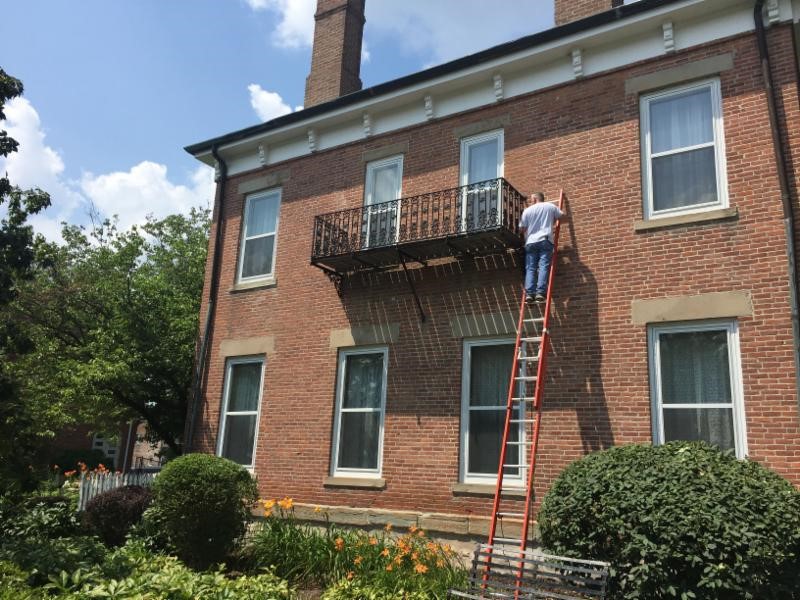
The monthly Landmarks Illinois News Roundup fills you in on the top preservation news stories from the month as well as LI’s main advocacy efforts, projects and announcements. This month, we share information on ongoing advocacy efforts to preserve historically significant properties in Oak Park, updates on Harley Clarke in Evanston, news on our recent grant recipients and more!
Read more
In 2021, Landmarks Illinois will mark its 50th Anniversary as an organization dedicated to helping people save places across the state. To prepare for this milestone anniversary, we are asking our supporters and member, new and old, to tell us how our work has impacted them and why they continue to be a part of “People Saving places.” Please take our 2-minute survey to tell us!
Take the Survey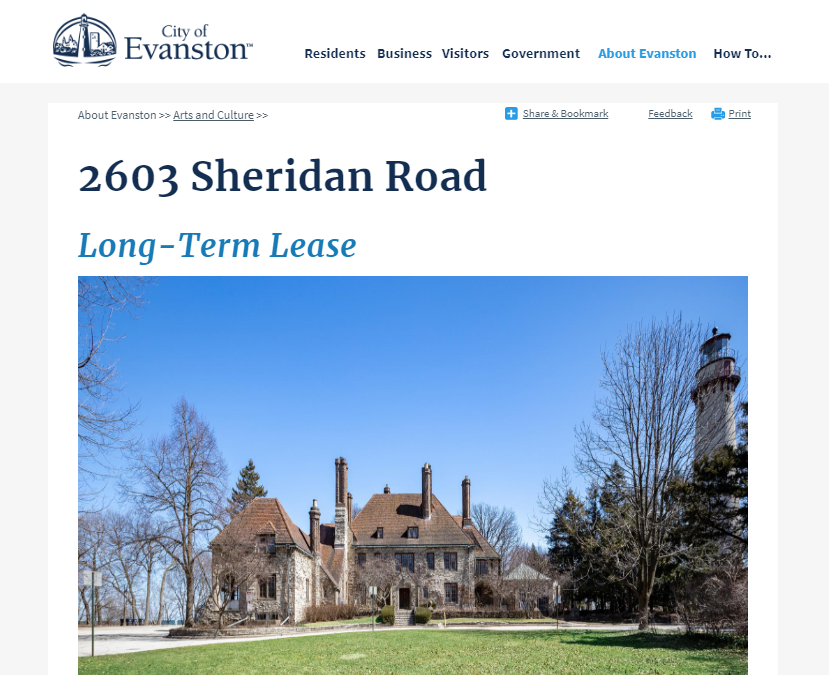
Catch up on LI’s biggest advocacy efforts and the latest preservation news by reading our June 2019 monthly Preservation News Roundup. This edition includes updates for the Harley Clarke Mansion in Evanston and Booth Cottage in Glencoe, as well as LI’s efforts to help save a school in Paxton and aid owners of the historic Millstadt Milling & Feed Co. in Millstadt, Illinois. (Photo: The City of Evanston’s special webpage dedicated to the Harley Clarke RFP.)
Read More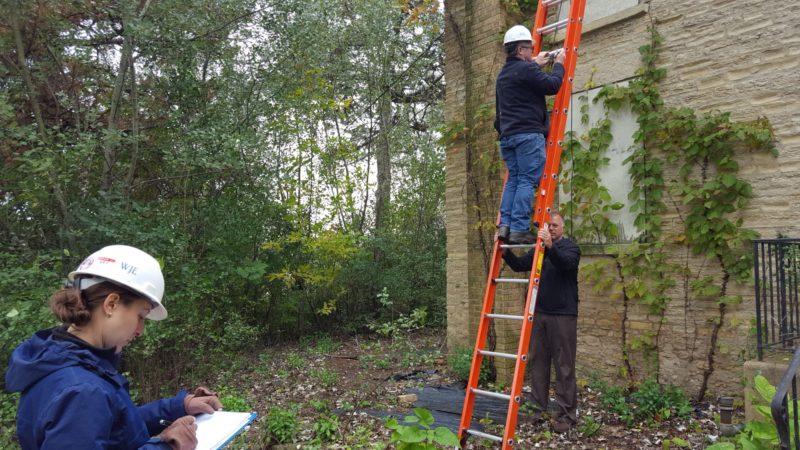
Wiss, Janney, Elstner Associates, Inc. (WJE) is a global firm of engineers, architects and materials scientists committed to helping its clients solve, repair and avoid problems in the built world. WJE generously supports Landmarks Illinois at the Visionary Corporate Sponsor level. We interviewed LI Board Member Joshua Freedland, a WJE principal, about why his firm supports our work.
Read More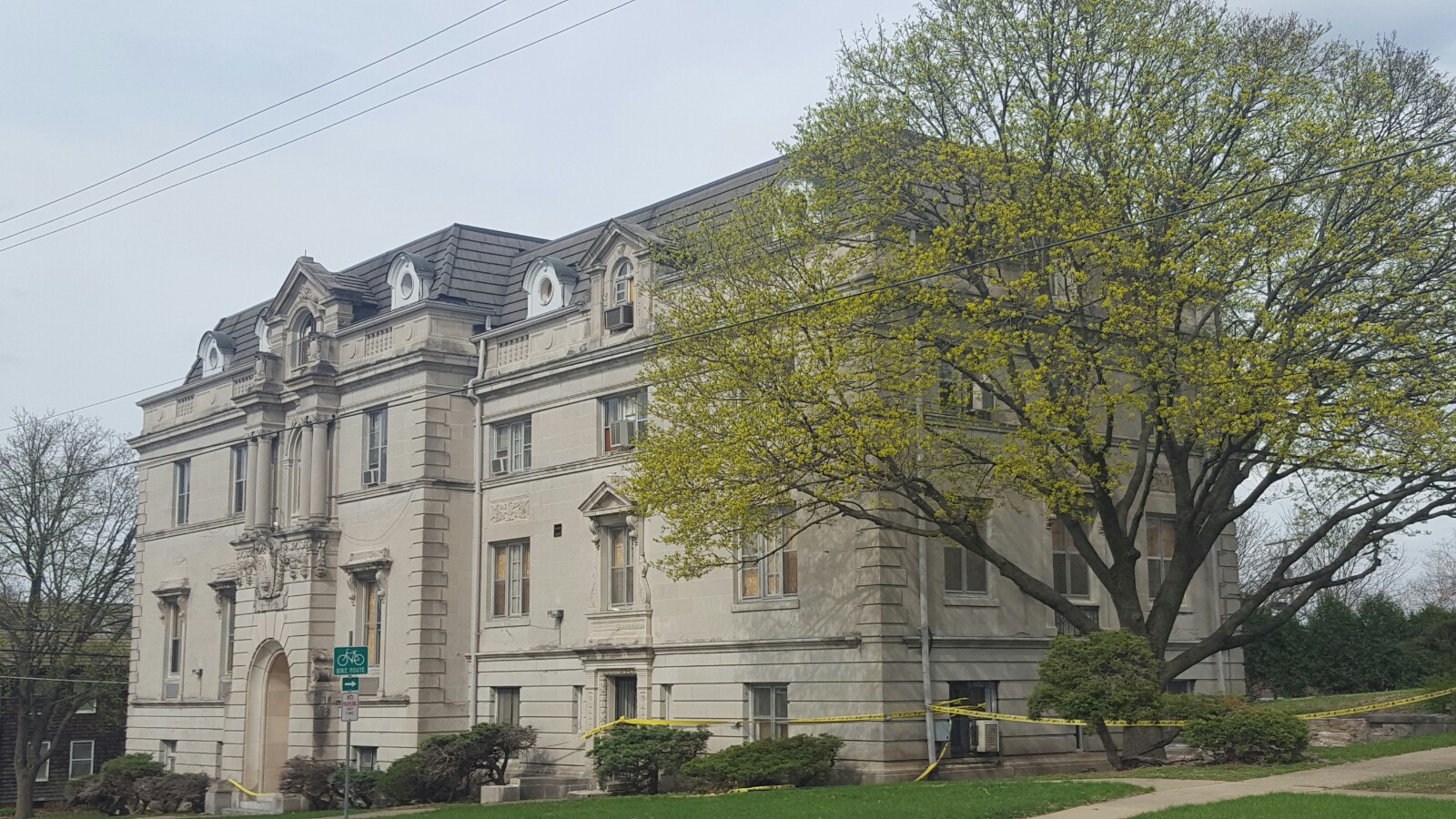
Catch up on the biggest preservation news of May 2019. It was a busy month for Landmarks Illinois: We released our 2019 Most Endangered Historic Places in Illinois, announced exciting news about the future of the Ebony Test Kitchen and continued our advocacy efforts in Rock Island and Rockford. The National Trust for Historic Preservation also included the James R. Thompson Center on its 11 Most Endangered Historic Places in the country, a building that LI has included three years in a row to its own Most Endangered list.
Read More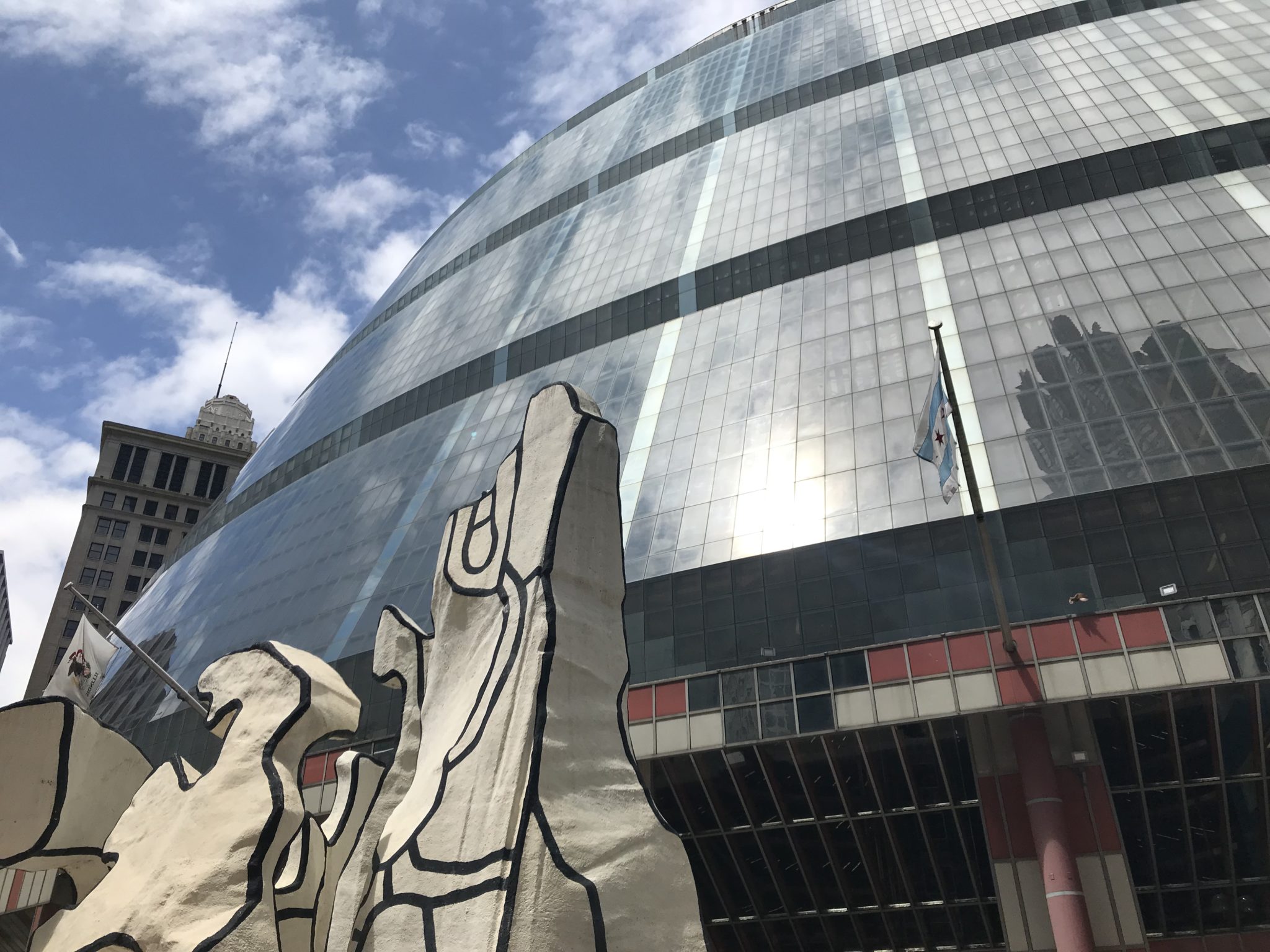
Today, the National Trust for Historic Preservation announced its 2019 11 Most Endangered Historic Places, and among the sites included on the annual list is the James R. Thompson Center in Chicago. Landmarks Illinois named the Post Modern building designed by Helmut Jahn in 1985 to its Most Endangered Historic Places in Illinois three times since 2017 due the continues threat it faces. Learn how you can help us preserve this architectural icon and participate in our social media campaign!
Read More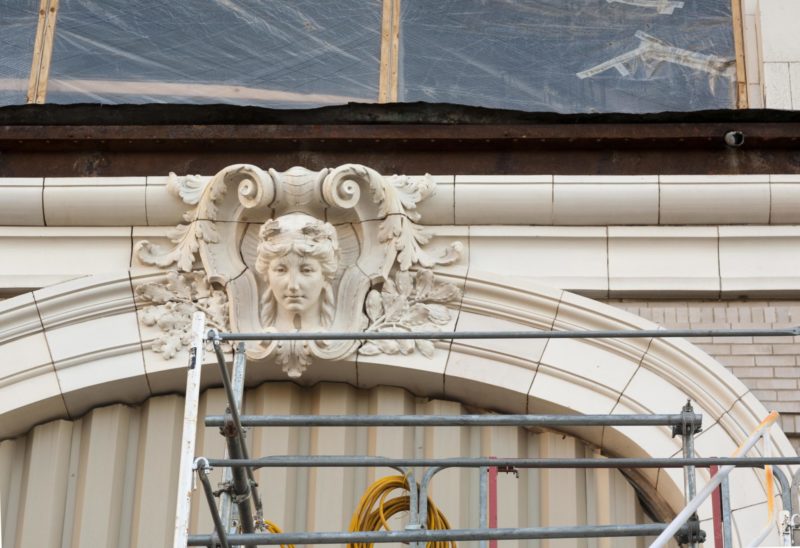
Every year since 1995, Landmarks Illinois has issued its “Most Endangered Historic Places in Illinois” – a statewide list that helps people working to save significant historic places under threat. Known as the “Ten Most Endangered” until 2015, the list has been the most prominent advocacy program of Landmarks Illinois for the last two-and-a-half decades. In this article, which originally appeared in LI’s May 2019 edition of our quarterly print newsletter, The Arch, we reflect back on the last 25 years of the Most Endangered program, sharing success stories and lessons learned.
Read More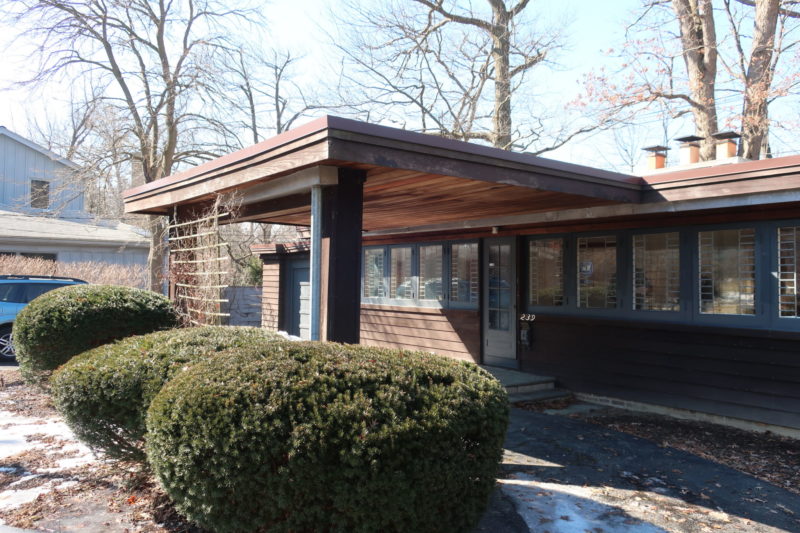
The Frank Lloyd Wright-designed Booth Cottage in Glencoe, an LI 2019 Most Endangered Historic Places in Illinois site, faces demolition as the new home owners have filed a demolition permit application with the Village. Landmarks Illinois is working with the Frank Lloyd Wright Building Conservancy and local advocates in Glencoe to find a preservation solution for this architecturally significant home.
Read More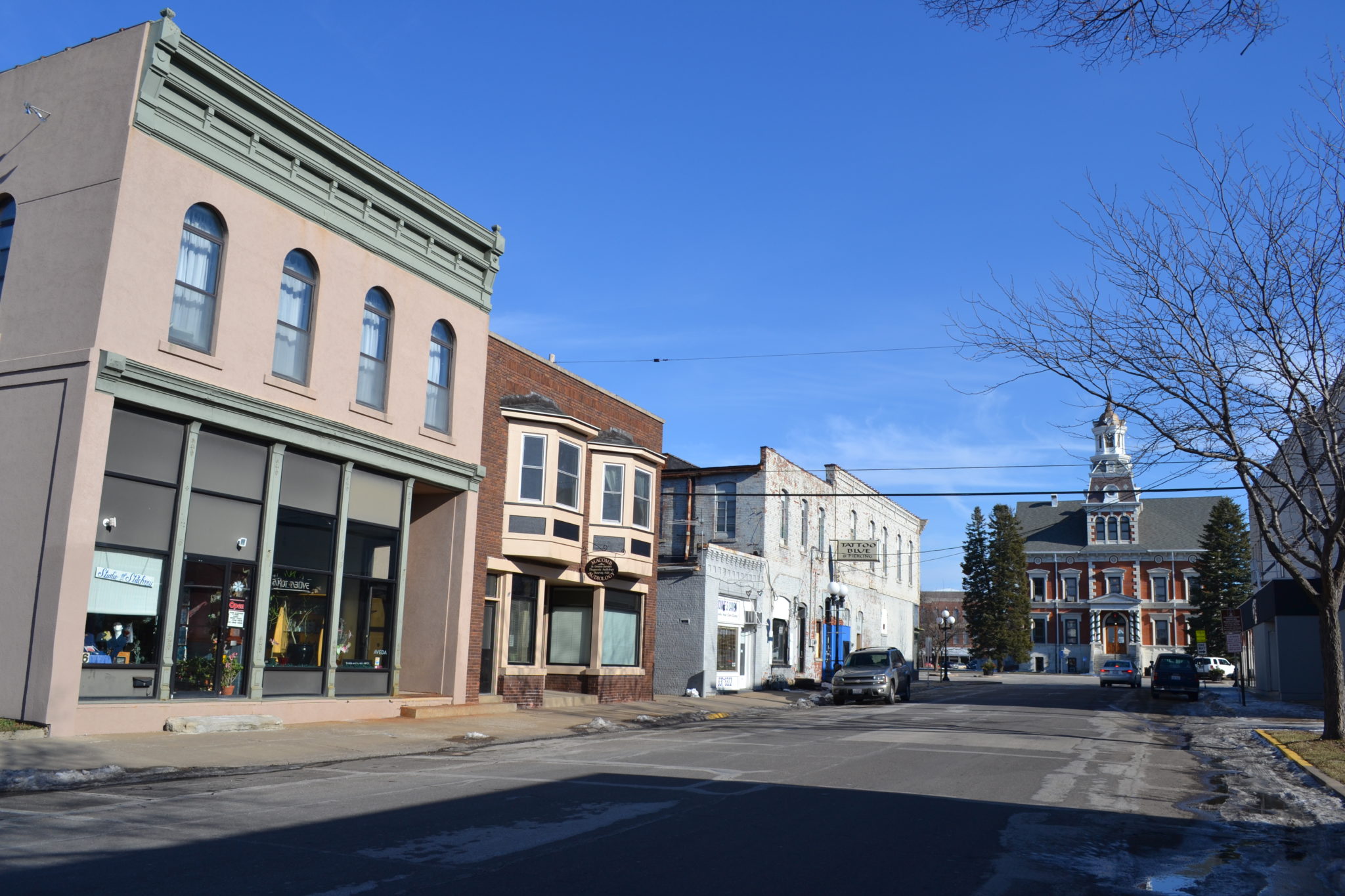
Catch up on the latest preservation news with LI’s monthly news roundup for April 2019. This month, we highlight proposed changes to the National Register of Historic Places, the possible sale of the James R. Thompson Center and provide an update on our ongoing lawsuit to stop the unlawful demolition of the historic Rock Island County Courthouse. (Pictured: The Macomb Courthouse Square National Register District.)
Read More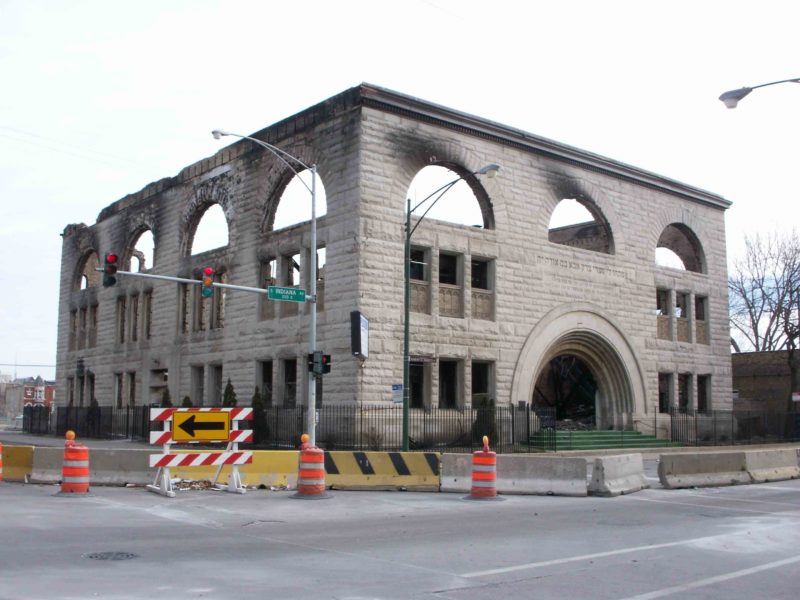
In light of the tragic fire at Notre Dame in Paris this week, Landmarks Illinois is sharing a 2006 article authored by former LI President Jim Peters on the dangers of fire in historic buildings, especially during and after rehabilitation. Peters discusses how welding and cutting operations, plumbing torches, tar kettles, temporary heating equipment and wiring can serve as ignition sources in buildings under renovations.
Read More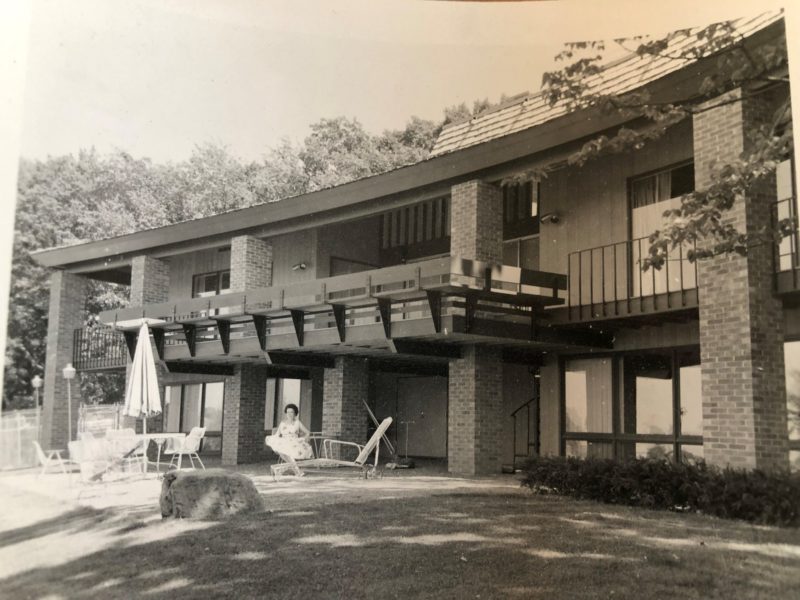
Two significant homes built in 1962 and designed by prolific Chicago architect Edward Dart are currently for sale in Chicago suburbs: the Charles Wegner House in Oak Brook and the Richard Henrich House in Barrington Hills. Both need sensitive buyers who will appreciate and celebrate their unique designs. Landmarks Illinois, which has long advocated for mid-century modern homes in Chicagoland, hope to bring attention to these homes to help find new owners who will properly care for them, just as their current owners have. (Photo: Wegner House circa 1963. Courtesy Charles Wegner)
Read More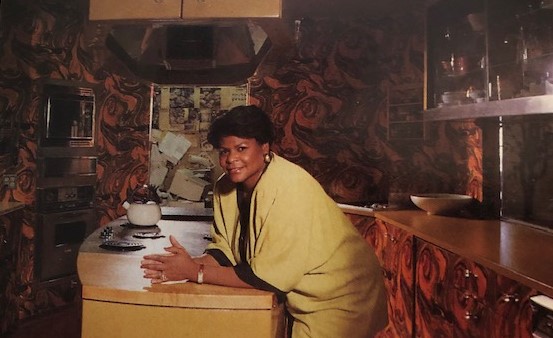
Landmarks Illinois recently spoke with former Ebony Food Editors Charlotte Lyons and Charla Draper, who each spent time cooking in the iconic former Ebony Test Kitchen in the Johnson Publishing Company Building in Chicago. In 2018, Landmarks Illinois removed the test kitchen from the Chicago landmarked building on South Michigan Avenue and took ownership of it to ensure it was preserved. Landmarks Illinois is now seeking a new owner who will reassemble the kitchen for educational use or public display. Read about the experiences Lyons and Draper had in the unique kitchen. (Photo: Charlotte Lyons in the Ebony Test Kitchen, featured in the November 1992 edition of Ebony Magazine. Provided by Charlotte Lyons.)
Read More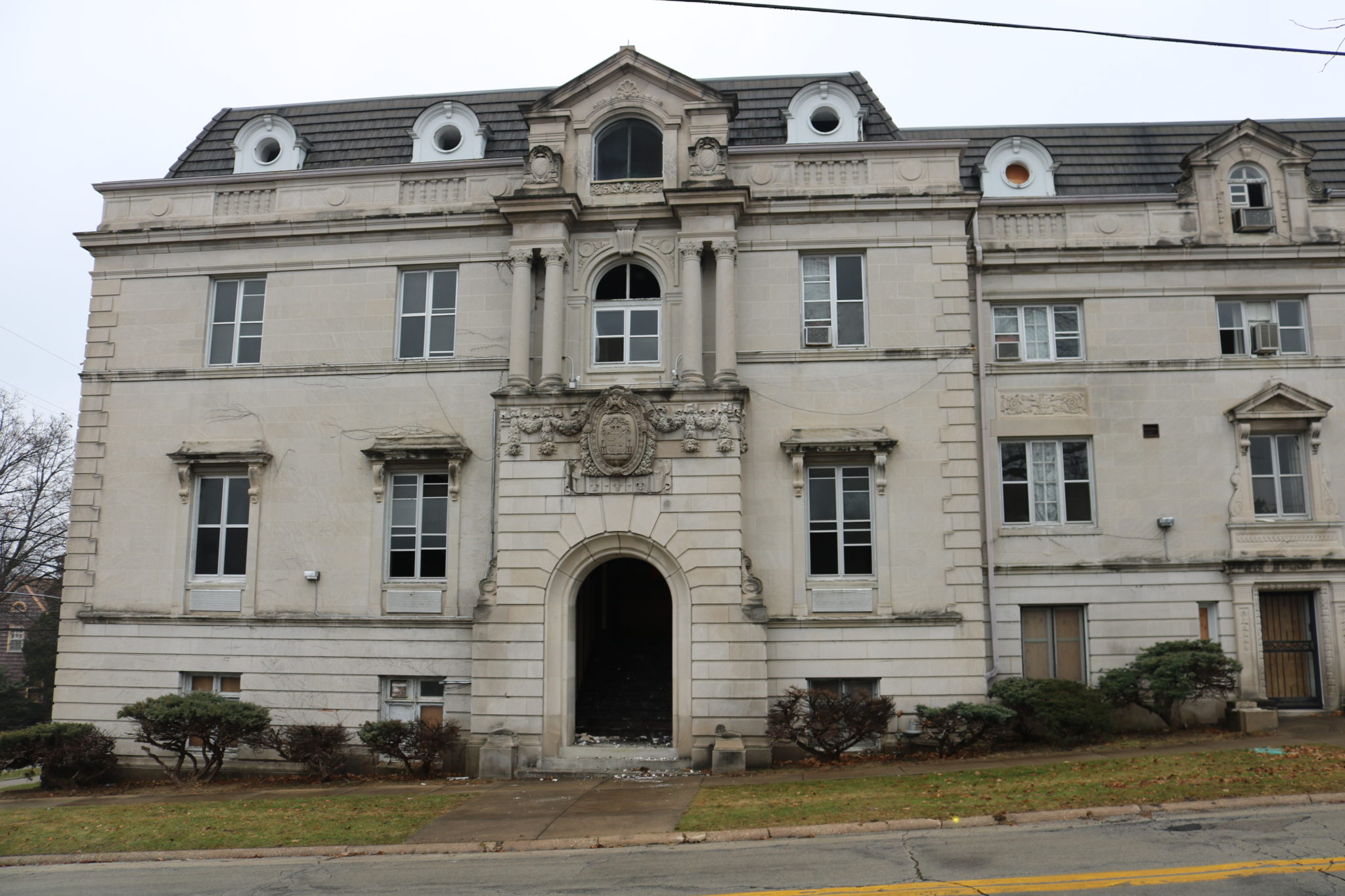
LI’s monthly news roundup for March 2019. Top preservation stories include the effort to landmark the Chancery Building in Rockford, LI’s ongoing lawsuit to prevent unlawful demolition of the Rock Island County Courthouse and our efforts to help find a reuse for the Old Kendall County Jail in Yorkville, a former LI Most Endangered site.
Read More
Landmarks Illinois issued a statement following a hearing in Peoria regarding its lawsuit filed in Rock Island County to stop unlawful demolition of the county’s historic courthouse.
Read the Statement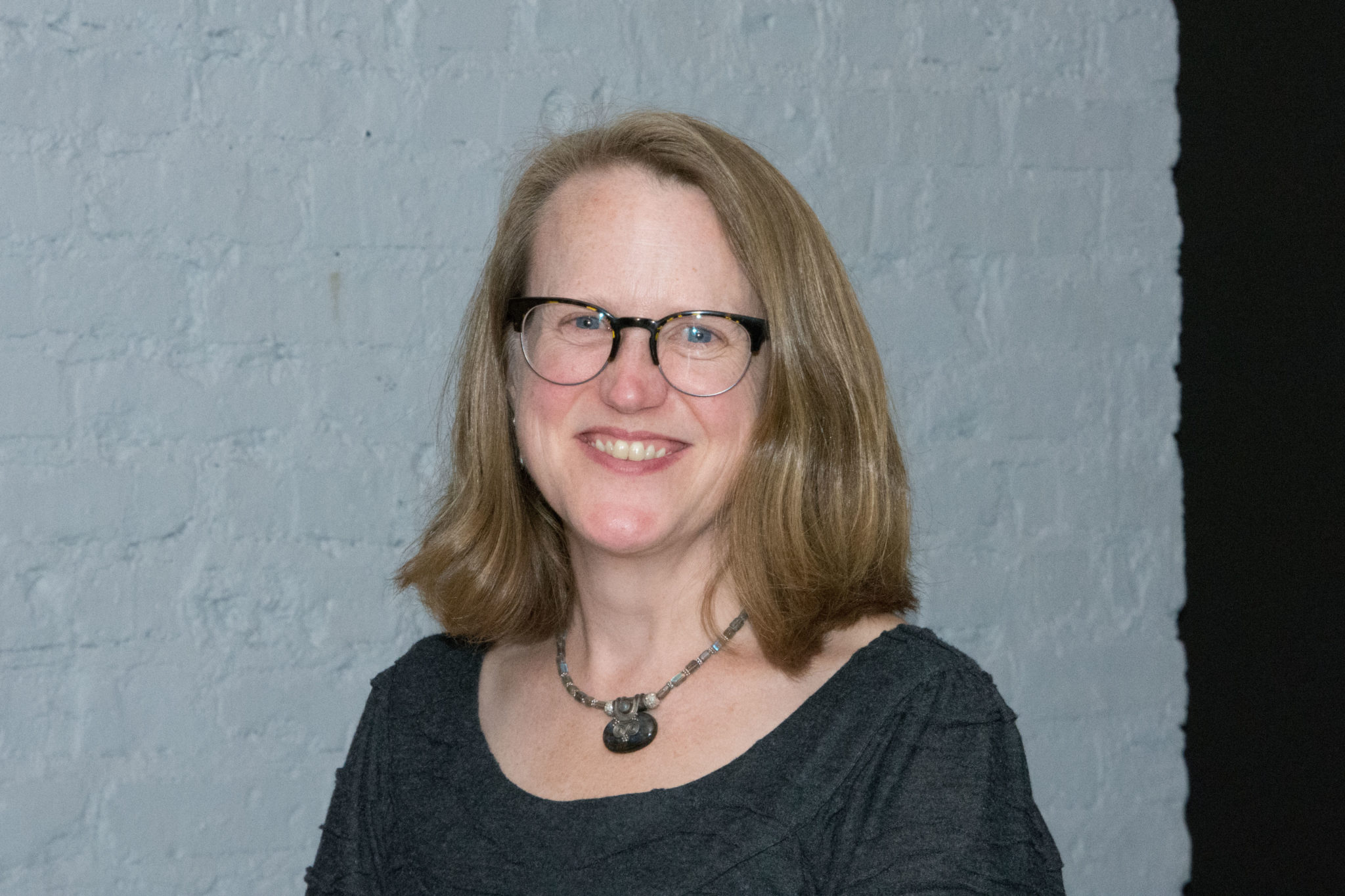
Suzanne Germann has worked at Landmarks Illinois for nearly 15 years, first brought on staff to oversee the organization’s existing preservation easements. Over her decade and a half at LI, Suzanne has taken on a number of additional responsibilities, from significantly expanding LI’s grant funding to managing programs that have become pivotal for the organization. In this interview, which originally appeared in the February 2019 edition of LI’s print newsletter, The Arch, Suzanne tells us about her work and how she helps people save places in Illinois.
Read more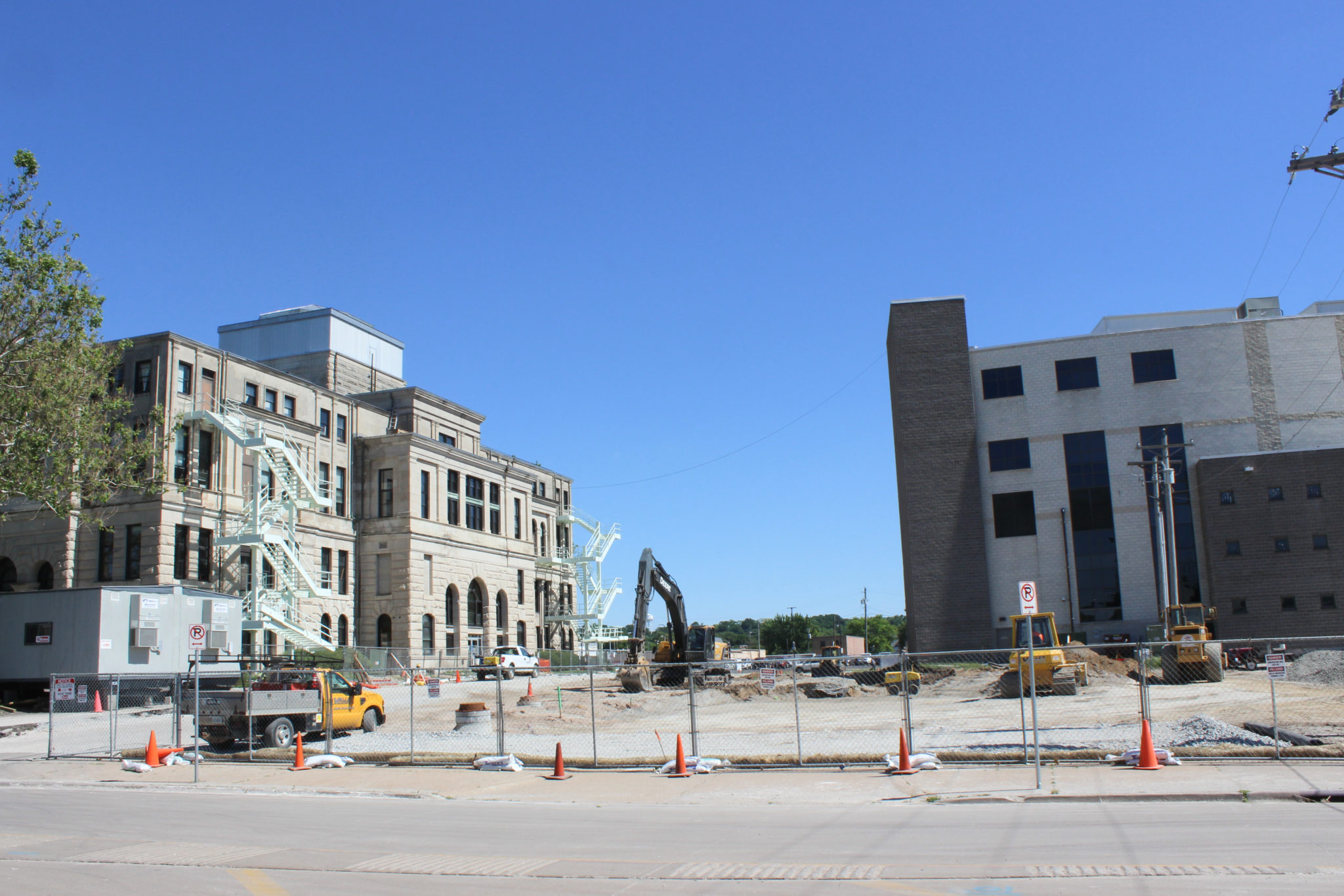
Read about the top preservation stories of February 2019, including Landmarks Illinois’ lawsuit in Rock Island to stop the unlawful demolition of the historic courthouse, the release of a new short video on the Underground Railroad and LI’s effort to find a new owner of the iconic Ebony Test Kitchen from the former Johnson Publishing Company Building in Chicago.
Read more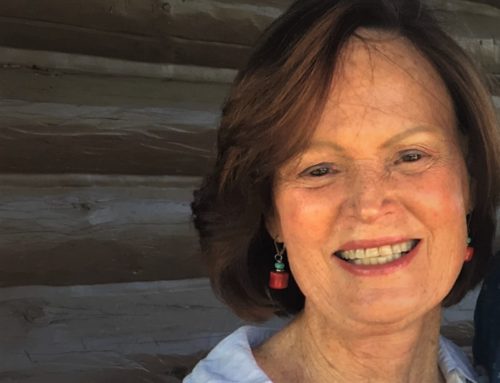
The Barbara C. and Thomas E. Donnelley II Preservation Fund for Illinois provides monetary assistance to preserve or protect significant structures and sites in Illinois, a grant program that was transferred to Landmarks Illinois in 2013. Barbara “Barbi” Donnelley and her long-time colleague Gerald W. Adelmann, President & CEO of Openlands, head the advisory committee for this endowed fund. Landmarks Illinois recently sat down with Barbi for an interview.
Read More
Catalina Parra, a fourth-year University of Chicago student, directed Landmarks Illinois’ recently released short video, “People Saving Places: The Underground Railroad in Illinois.” The video focuses on three specific and documented Underground Railroad Sites in the state: the Owen Lovejoy Homestead in Princeton, the Sheldon Peck Homestead in Lombard and Quinn Chapel AME Church in Chicago. Parra is a Fundamentals Major at U of C, which is a cross-disciplinary program designed for the individual student to study fundamental works that speak to questions of human existence. Landmarks Illinois asked Parra about her experience making this short video, what she learned about historic preservation and what’s in store for her next.
Read More
Landmarks Illinois sent all Chicago mayoral candidates a survey to better understand their stances on historic preservation-related topics. Of the candidates currently running for Chicago Mayor, four returned survey responses: Amara Enyia, La Shawn Ford, Gary McCarthy and Paul Vallas. Landmarks Illinois compiled their survey responses in the following post.
Read the Survey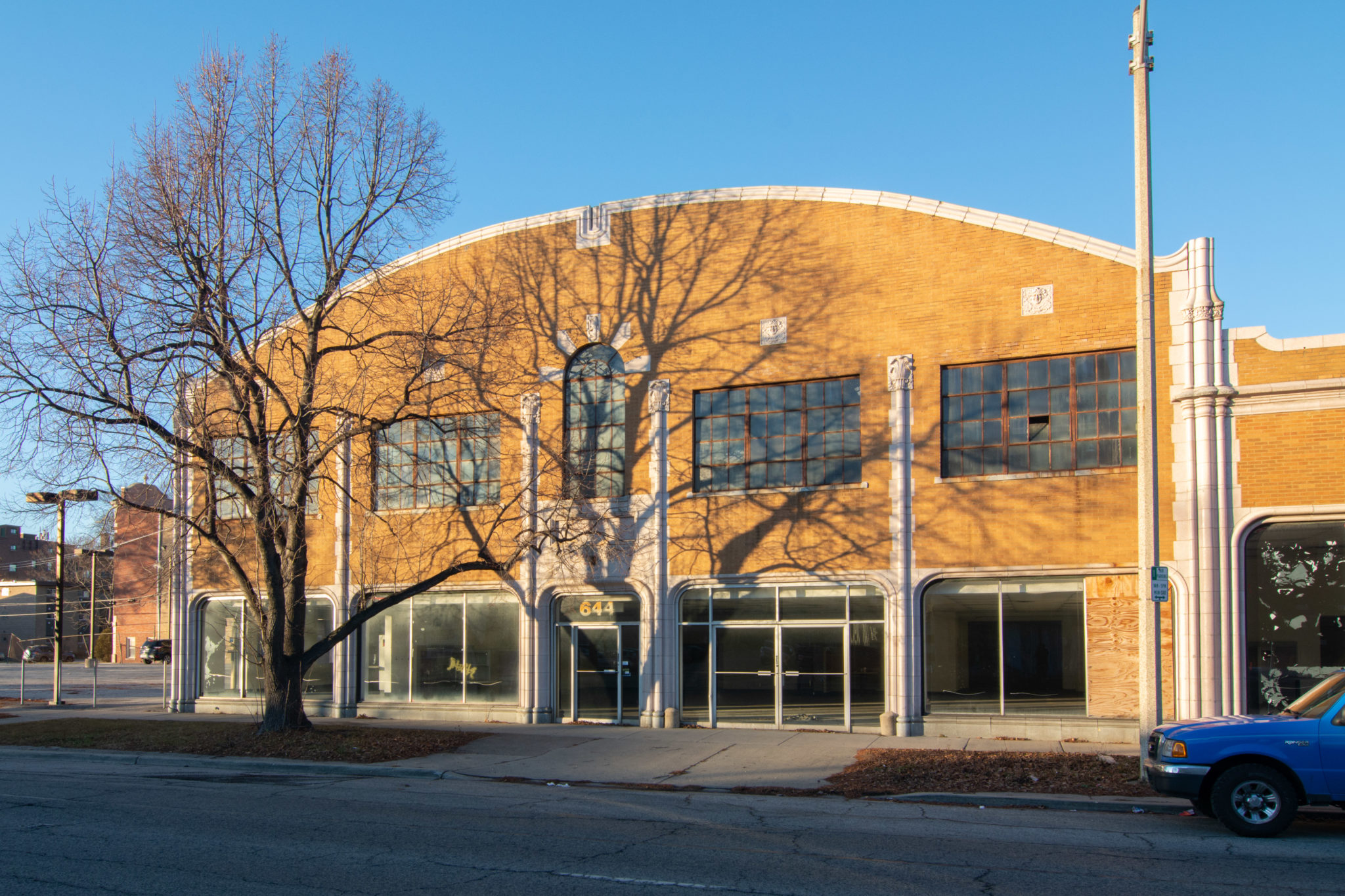
Landmarks Illinois Director of Advocacy Lisa DiChiera writes about updates to three suburban historic properties currently threatened. Public meetings are taking place on each property next week, and LI asks residents of each suburb to attend the meetings and/or reach out to their public officials regarding the threats facing these historic sites. Learn how you can help. (Photo: Hill Motor Sales Company Building in Oak Park. Credit: Norma Rios)
Read More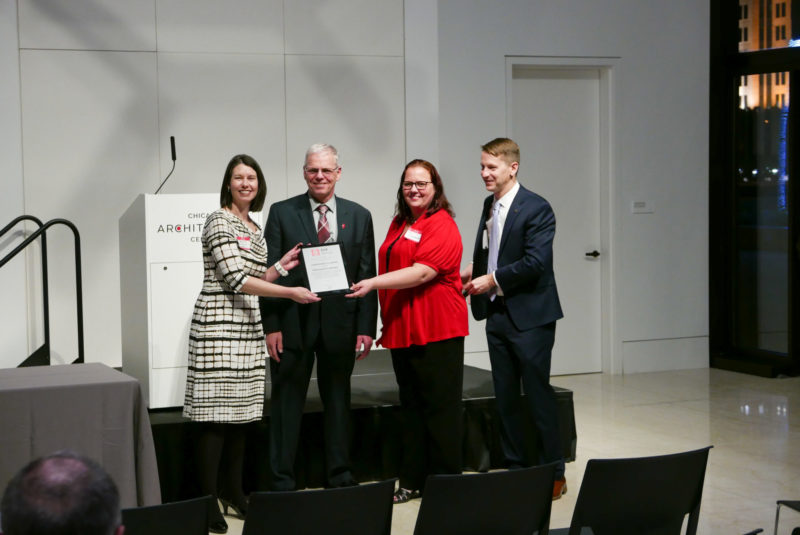
Landmarks Illinois recently received the 2018 President’s Award from AIA Illinois for its efforts in helping to pass legislation to create a new statewide historic preservation tax credit. Landmarks Illinois President & CEO Bonnie McDonald received the award on behalf of the organization at the AIA Service Awards Ceremony February 4, 2019, at the Chicago Architecture Center.
Read More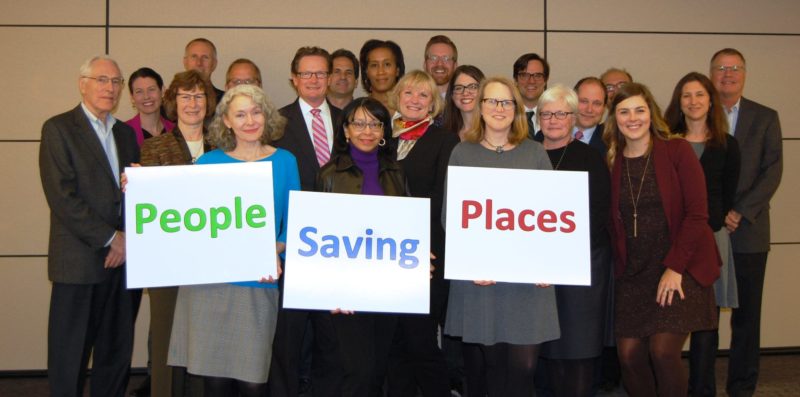
“HALFWAY AROUND THE TRACK – LI’S STRATEGIC PLAN AT THE MIDPOINT”
LI President & CEO Bonnie McDonald takes a look at the organization’s Strategic Plan, launched in 2016, and assesses how LI has met many of the goals it set out to achieve. Now at the halfway mark of the five-year plan, read about where we have succeeded so far and how we are continuing to work to achieve our objectives and better serve the people of Illinois.
Read More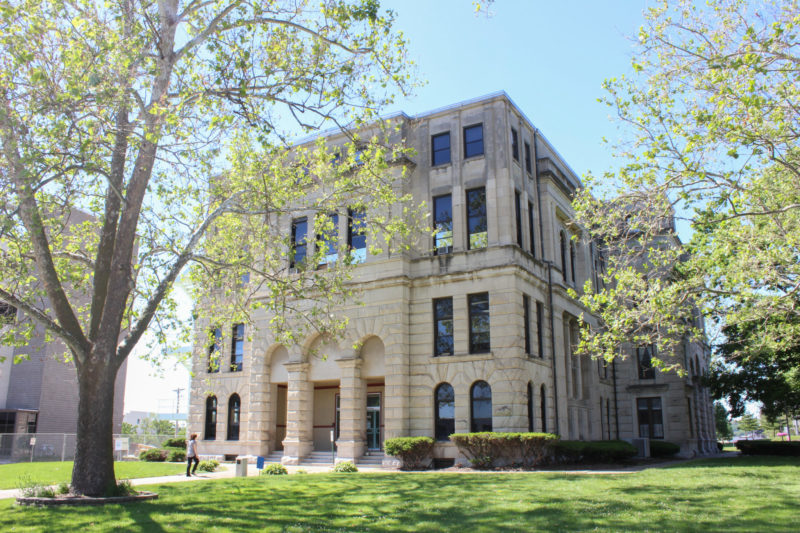
Read about the top preservation stories of January 2019, including Landmarks Illinois’ major advocacy effort in Rock Island to save the historic courthouse. Other stories of focus this month include LI winning a AIA Illinois Service Award, announcing our 2019 Legendary Landmarks and the Illinois State Historic Preservation Office releasing the 2019 schedule for the new Illinois Historic Preservation Tax Credit Program.
Read More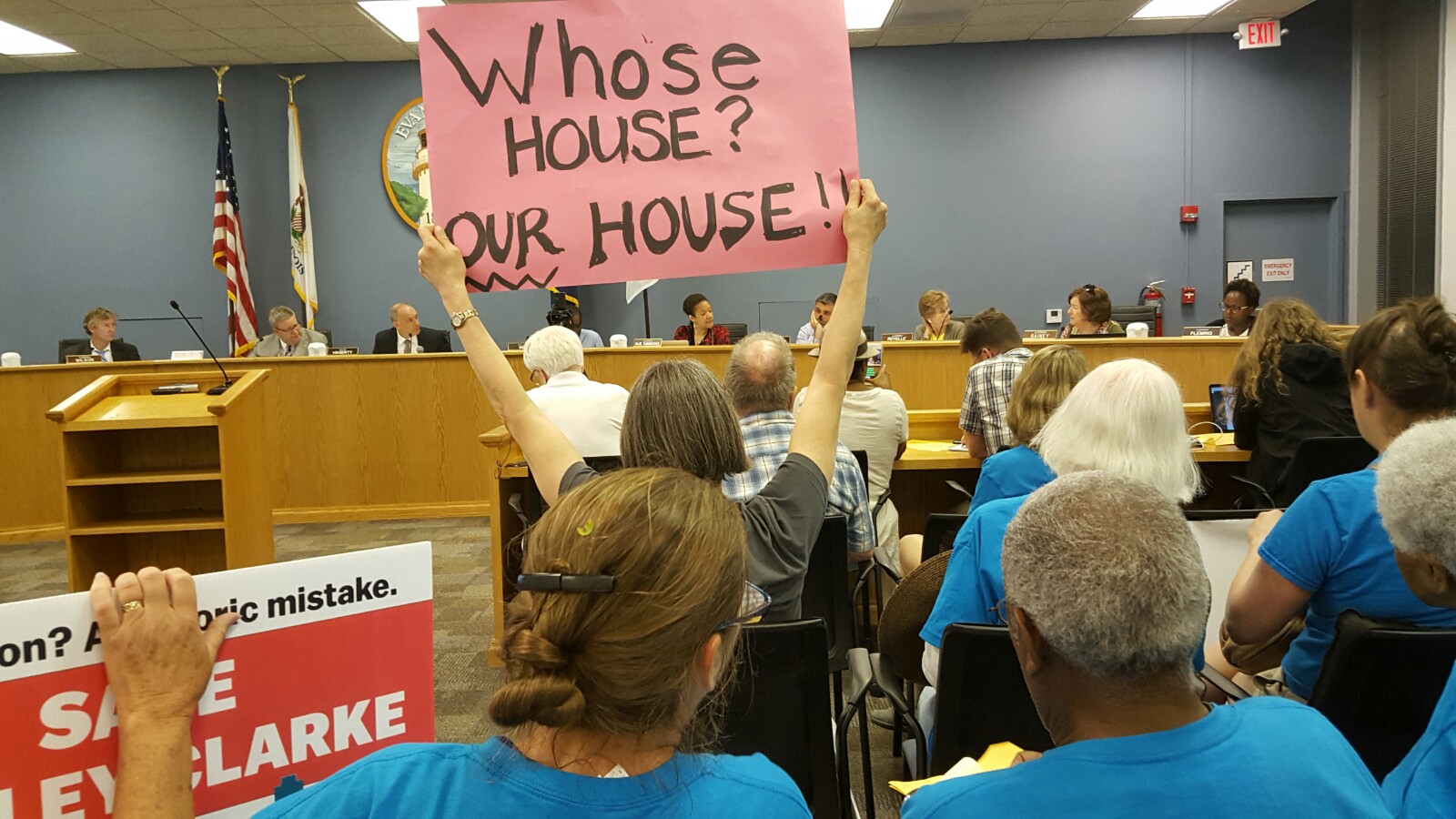
Landmarks Illinois’ news roundup of the top preservation stories of the year. Read about LI’s major advocacy efforts around the state and the large-scale preservation projects that made headlines in 2018. Top stories include the Harley Clarke House in Evanston, Cook County Hospital in Chicago and the ongoing fight to save the Rock Island County Courthouse.
Read More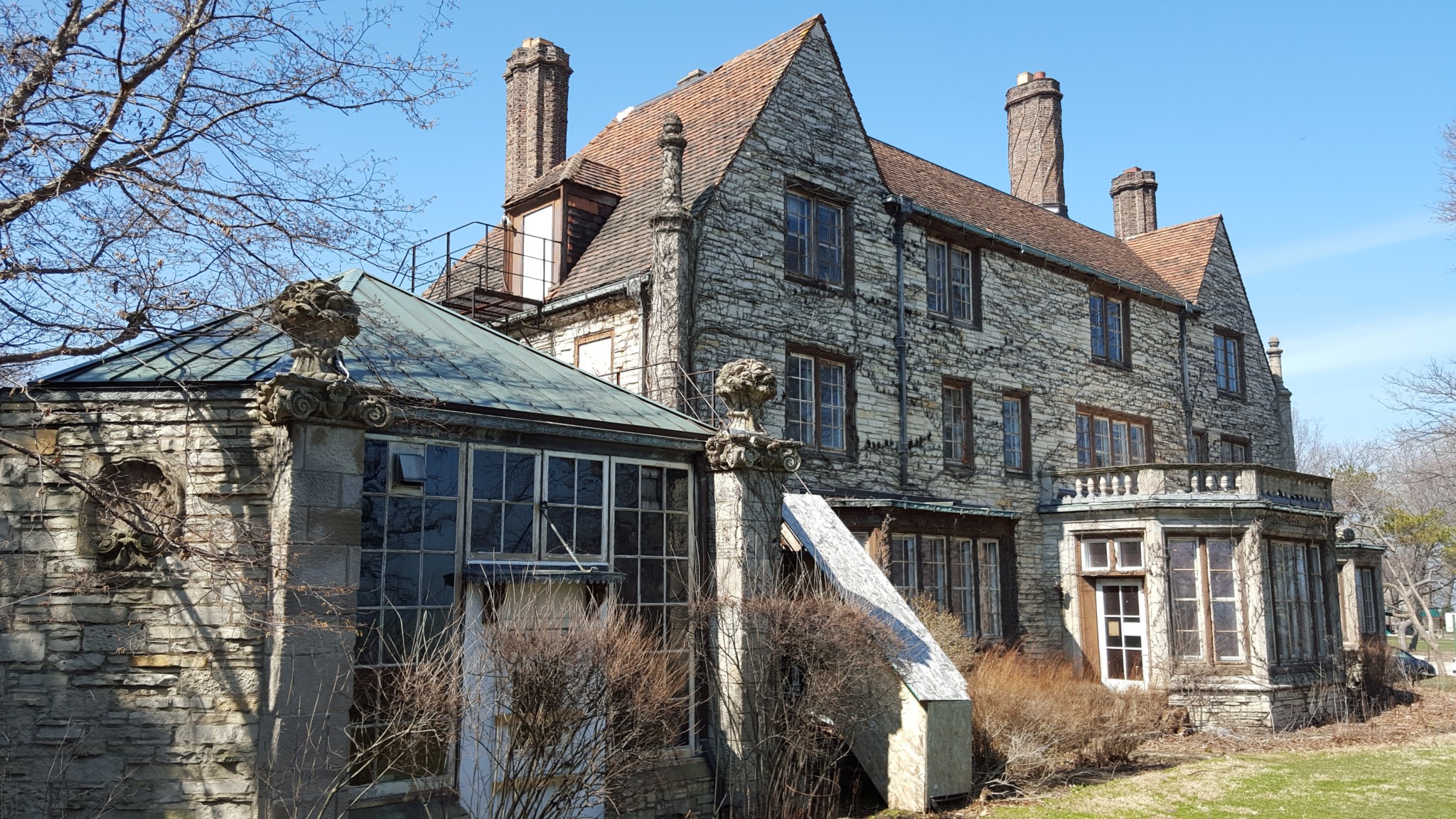
Stay up to date with the latest preservation news from November. This month, we share updates on the Harley Clarke House in Evanston, the James R. Thompson Center and Uptown Theatre in Chicago and the Rock Island County Courthouse.
Read More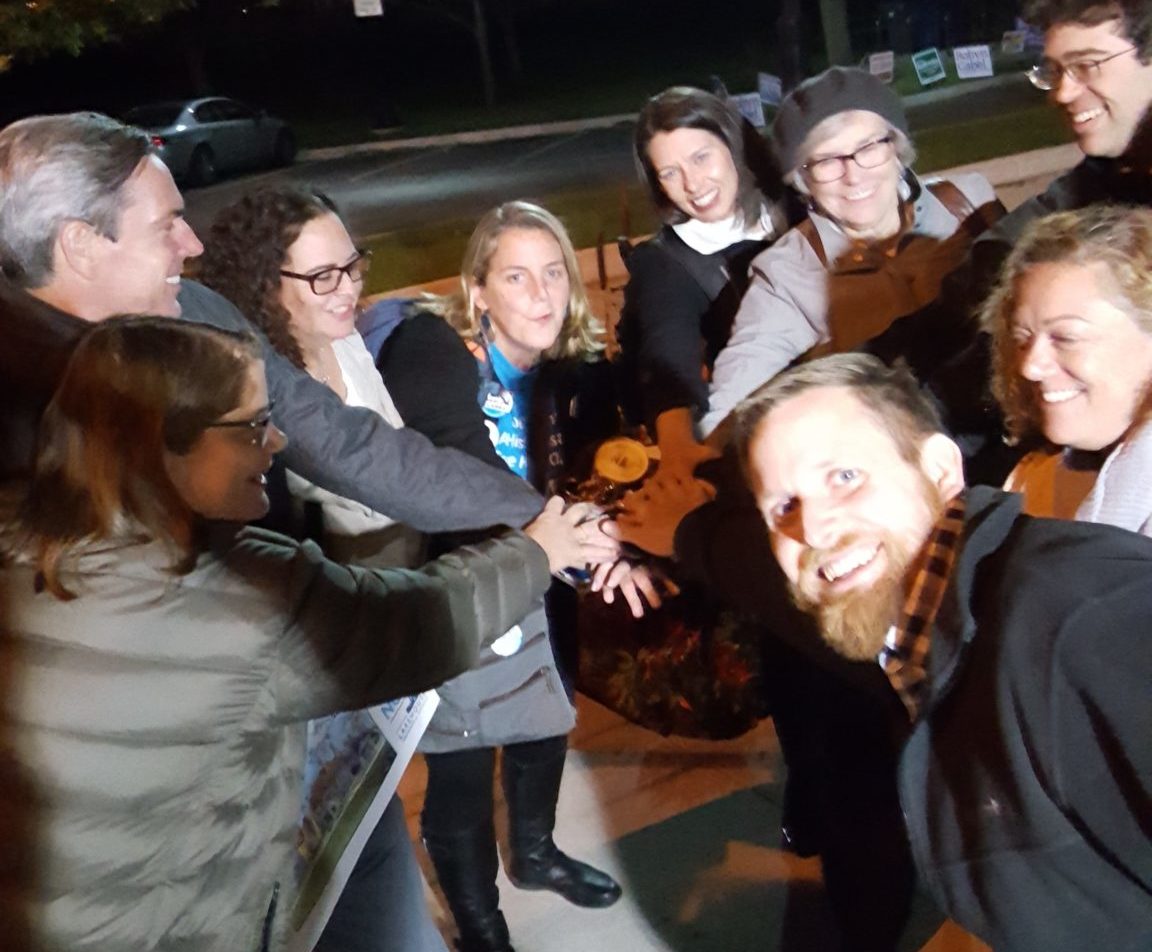
Read about some of the biggest Illinois preservation news stories for the month of October 2018 and learn about important updates on Landmarks Illinois’ major advocacy efforts.
Read More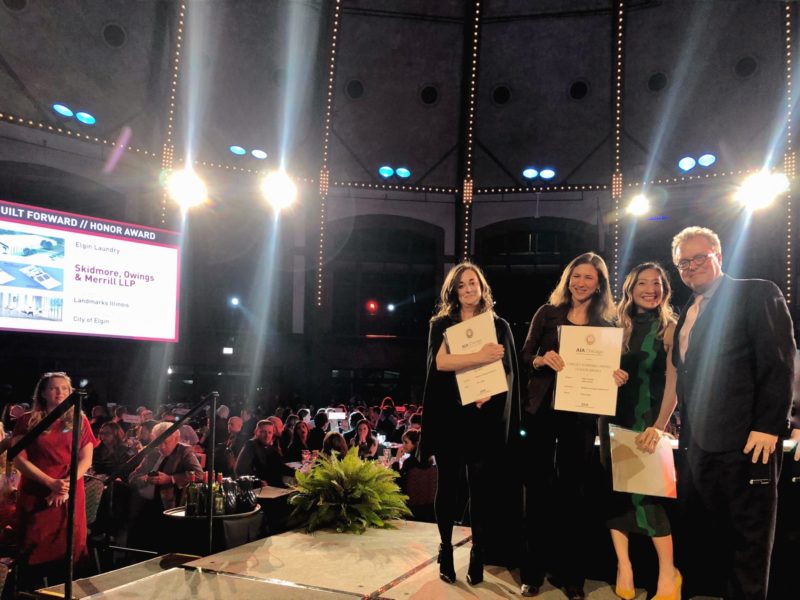
Skidmore, Owings & Merrill LLP won an honor award from the Chicago chapter of the American Institute of Architects for an adaptive reuse design study of the Elgin Laundry Building. In 2016, LI commissioned the study for this unique accordion-shaped facility, designed by Bertrand Goldberg, to provide reuse options for the City of Elgin. The1967 building, formerly part of the Elgin Mental Health Hospital grounds, was acquired by the city to expand its recreational facilities.
Read More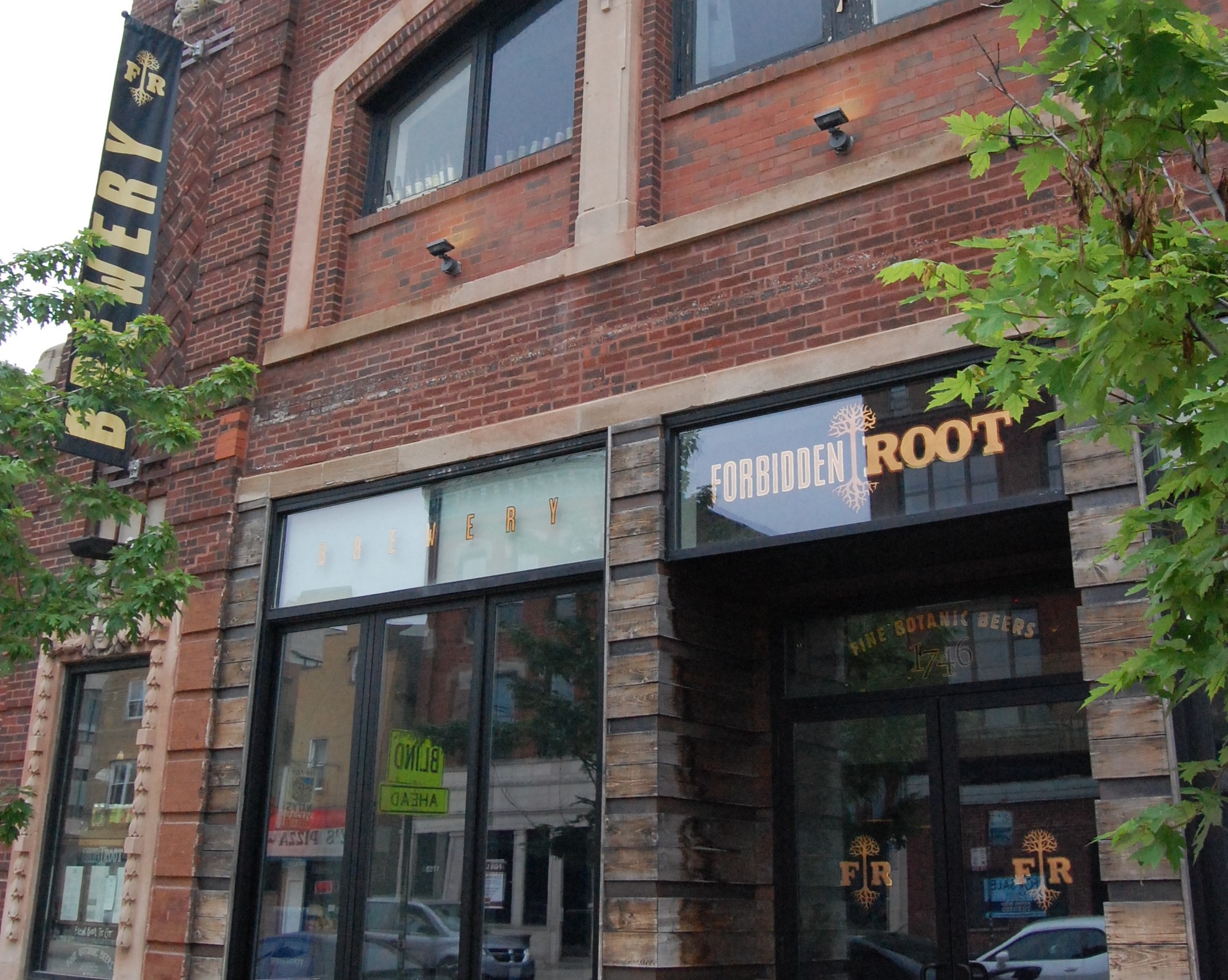
Landmarks Illinois launched a new series, “Beer in Old Buildings,” focused on craft breweries located in rehabilitated historic structures. Our first installment of this series, which focuses on Chicago breweries in historic buildings, was featured in our August 2018 edition of The Arch newsletter.
Read More
For LI’s August 2018 edition of our quarterly, print newsletter, “The Arch,” we spoke with State Rep. Jehan Gordon-Booth about her success in passing legislation earlier this year to create a new, statewide historic preservation tax credit. In the interview, Rep. Gordon-Booth reflects on the impact the River Edge Redevelopment Zone tax credit has had on her district and why it is important to continue to preserve historic places in Illinois.
Read More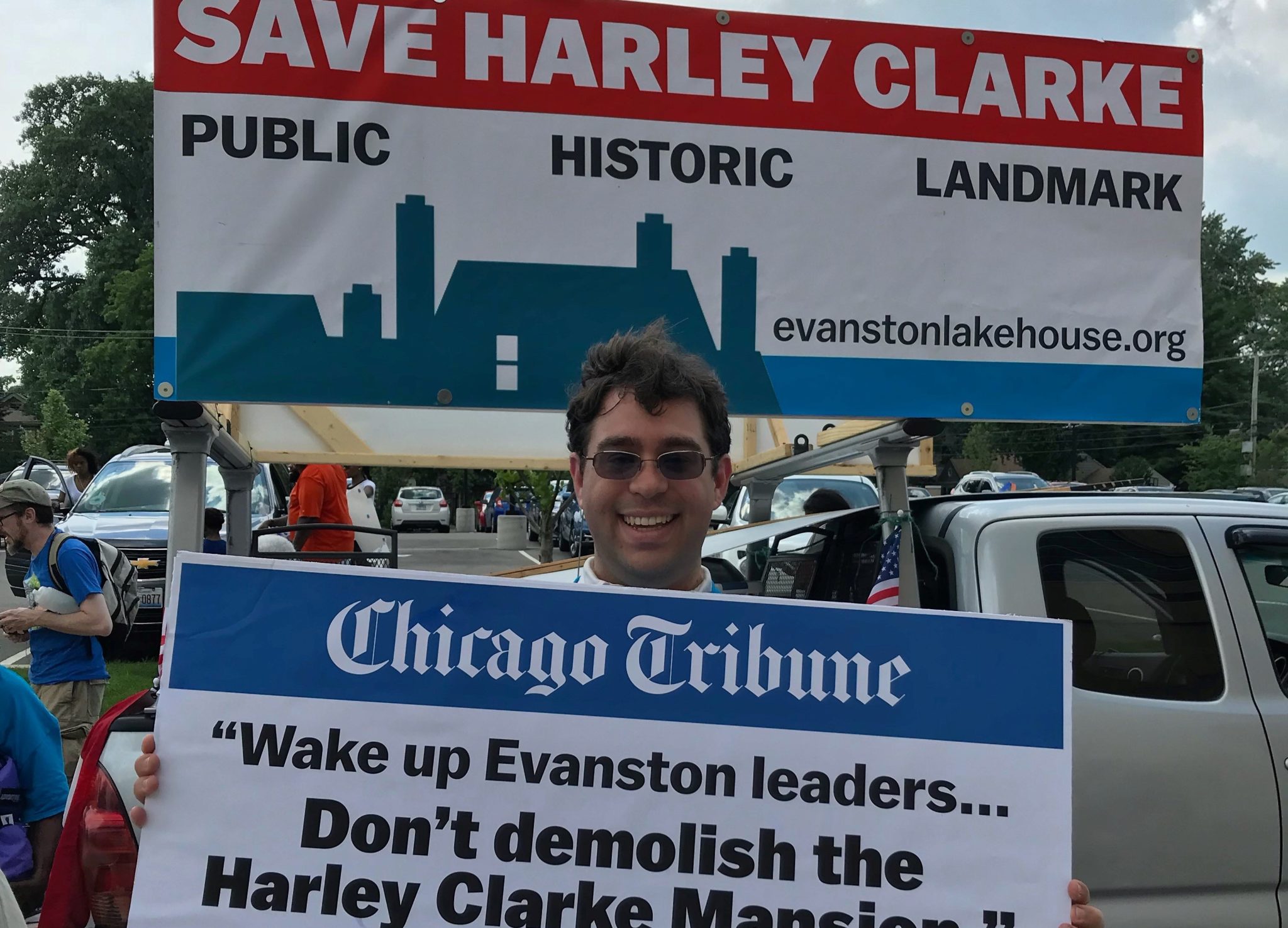
Read updates about the Harley Clarke House in Evanston, which Landmarks Illinois is helping to advocate to save. LI listed the mansion on our 2016 Most Endangered Historic Places in Illinois. (Photo credit: Carl Klein)
Read More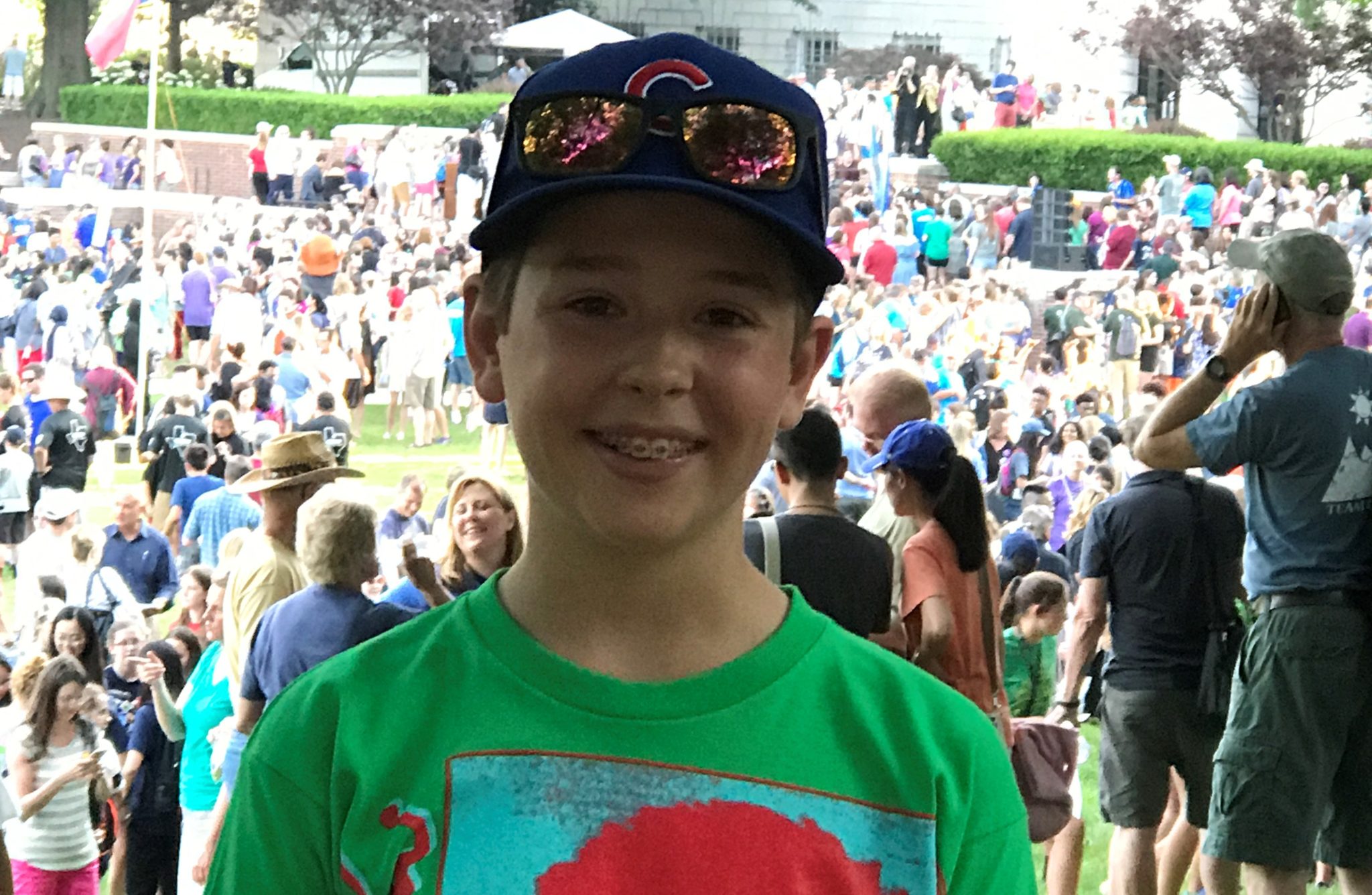
Thirteen-year-old Emmett Schumacher, a student at Skinner West in Chicago, participated in the 2017 Chicago Metro History Fair as a seventh grader, creating a documentary focusing on historic preservationist Richard Nickel’s efforts in Chicago to save Adler & Sullivan-designed buildings. Emmett’s impressive, 10-minute documentary titled “Richard Nickel: Architectural Preservationist,” was one of two documentaries made by Illinois students to advance to National History Day, held at the University of Maryland in June. Now an eighth grader, Emmett recently talked with Landmarks Illinois about his documentary.
Read More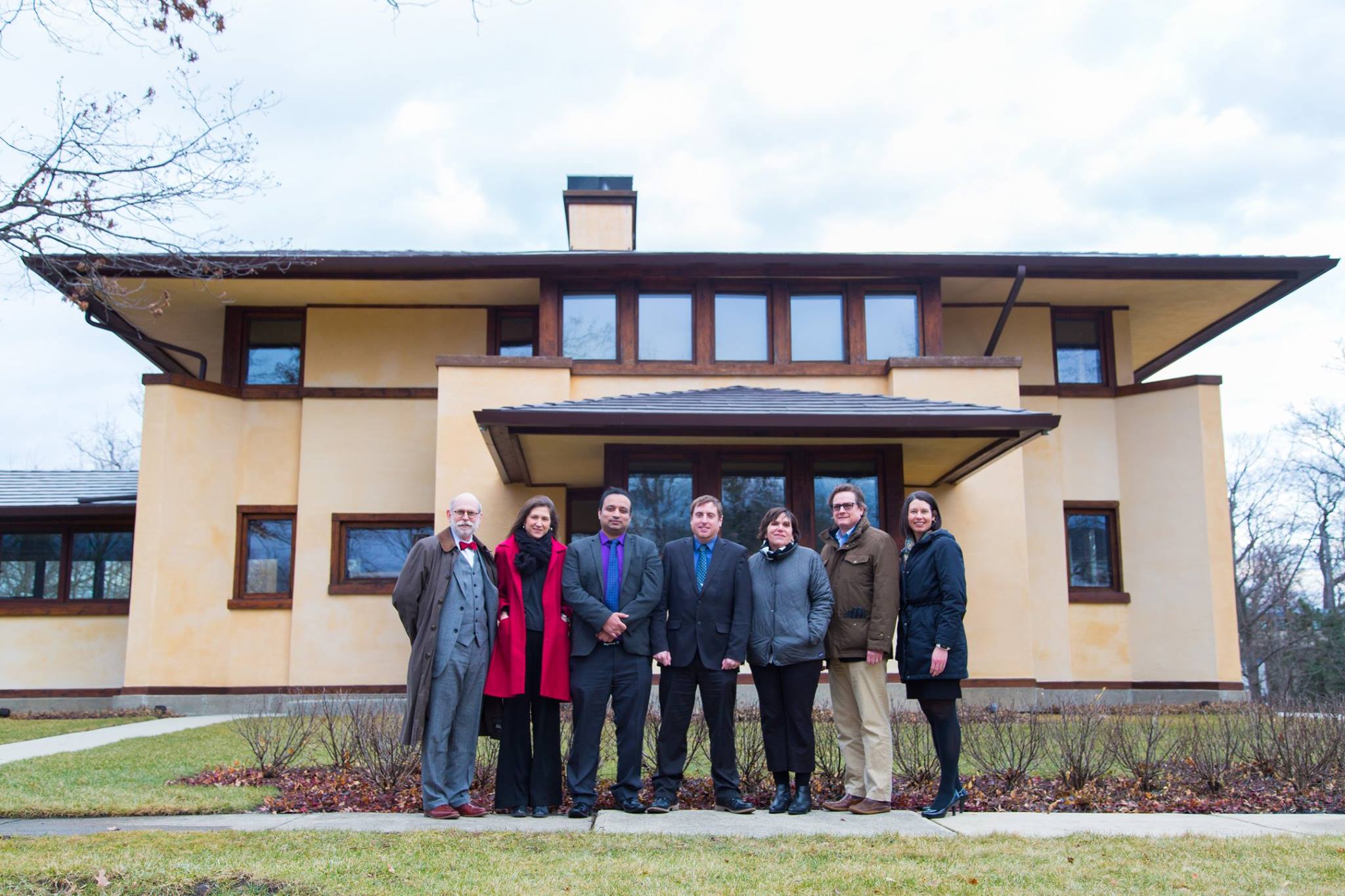
North Shore School District 112 (NSSD112) has opted to participate in the tax assessment freeze program. The decision gives the Lake County Clerk the ability to process requests that maintain the owner’s property tax assessment for 8-years after a qualified rehabilitation, lowering the financial commitment necessary to preserve a historic home. The policy change for NSSD 112 follows a similar action taken earlier this year by Township High School District 113, which filed exemption requests in 2015 and 2016. The recent decisions by Districts 112 and 113 put the institutions in the majority of taxing districts in the state. Read the NSSD112 press release on the news below.
(pictured: NSSD112 CFO Chris Wildman and District 113 Asst. Supt. for Finance Ali Mehanti join Landmarks Illinois officials and local community leaders in front of the Mary W. Adams House in Highland Park designed by Frank Lloyd Wright in 1905.)
Read More
Videos from the National Trust For Historic Preservation’s PastForward 2017 Conference in Chicago are now online. Check out the National Trust’s YouTube channel below to watch TrustLive sessions, keynote speakers and other highlights from the annual conference. LI President & CEO Bonnie McDonald participated in the TrustLive: Health session and panel discussion, which is one of the videos featured on the YouTube page. You can also see her welcoming conference guests at the Opening Plenary.
Watch videos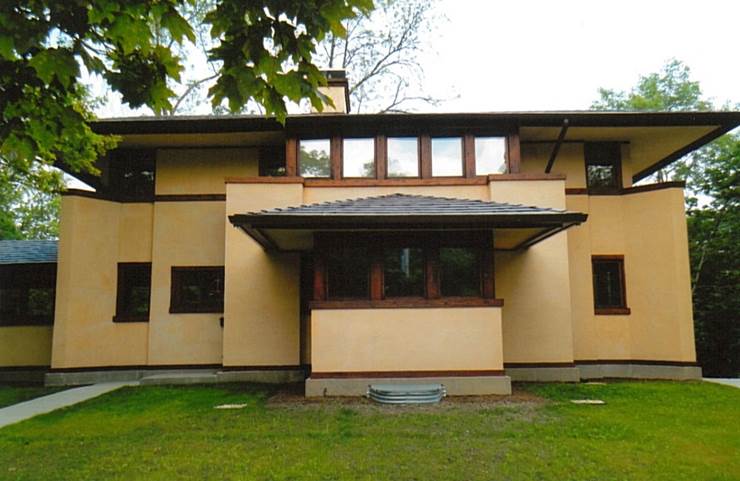
Township High School District 113 in Chicago’s north suburbs decided earlier this month to allow owners of historic homes within the district to use an important tax incentive to rehabilitate their property.
Read More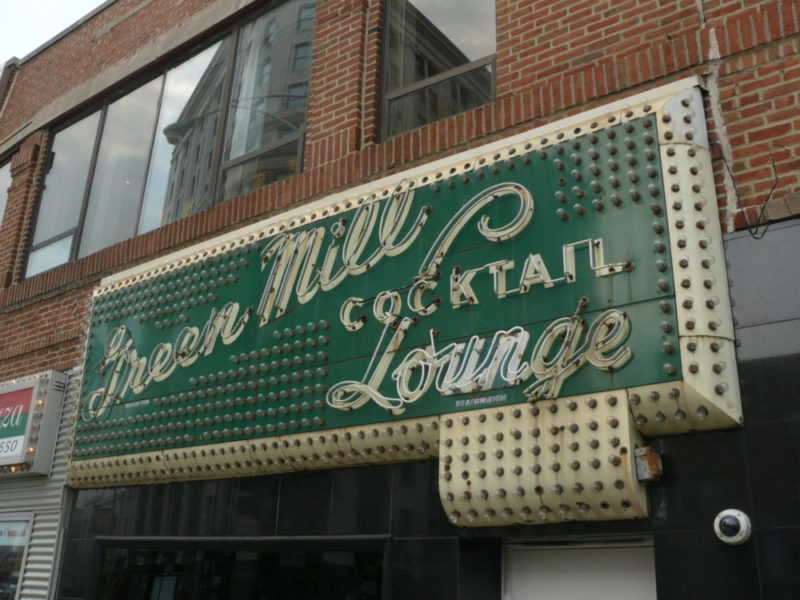
On Dec. 14, 2016, the Chicago City Council approved official landmark status for the Uptown Square District on Chicago’s North Side – something Landmarks Illinois has advocated for for 15 years.
(Photo: The historic and popular Green Mill is one of the buildings protected by the City’s landmark status)
Read More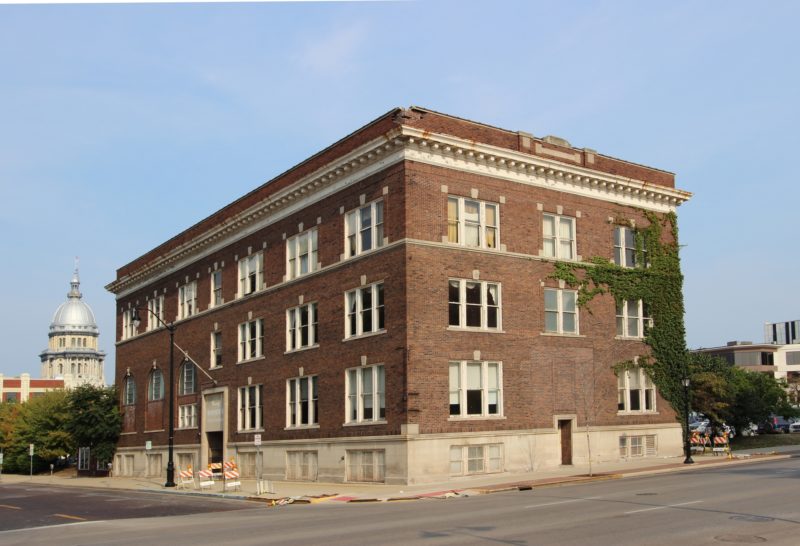
The historic YWCA building in Springfield is set to be torn down. At its Dec. 6 meeting, the Springfield City Council voted unanimously to move forward with demolishing the building, voting 10-0 to overturn a recommendation by the city’s Historic Sites Commission to reject the demolition permit for the building. Landmarks Illinois considers the future demolition of the YWCA building – a designated historic landmark – a major loss to the city of Springfield, its historic district and local heritage tourism. Read our full statement on the news.
Read More
A bill to extend Illinois pilot State Historic Tax Credit has passed both houses of the Illinois General Assembly as of Dec. 1, 2016, and is on its way to Governor Bruce Rauner’s desk for his signature. Here, President & CEO of Landmarks Illinois Bonnie McDonald shares our thoughts on the good news.
(Photo credit: River Edge Historic Tax Credit)
Read More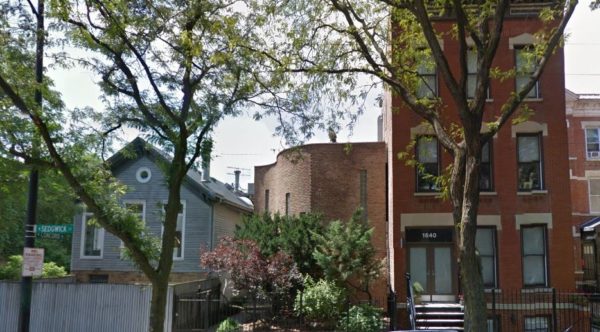
On Dec. 1, 2016, the Commission on Chicago Landmarks voted to deny the demolition of a mid-century modern home in the historic Old Town Triangle District, located at 1638 North Sedgwick St. The owners of the home have applied for a permit to demo the house.
(Photo Credit: Google)
Read More
On June 24th, 2016, the Republican tax reform task force in the U.S. House of Representatives released a proposal for tax reform that could threaten the Federal Historic Tax Credit program, as the focus is to eliminate millions of dollars in tax credits and deductions.
Read More
The 2015 demolition of the 117-year old historically significant Queen Anne Edwards House in Downers Grove led to the formation of Friends of the Edwards House a volunteer advocacy group whose efforts brought about a simplified Historic Preservation Ordinance in Downers Grove.
Read More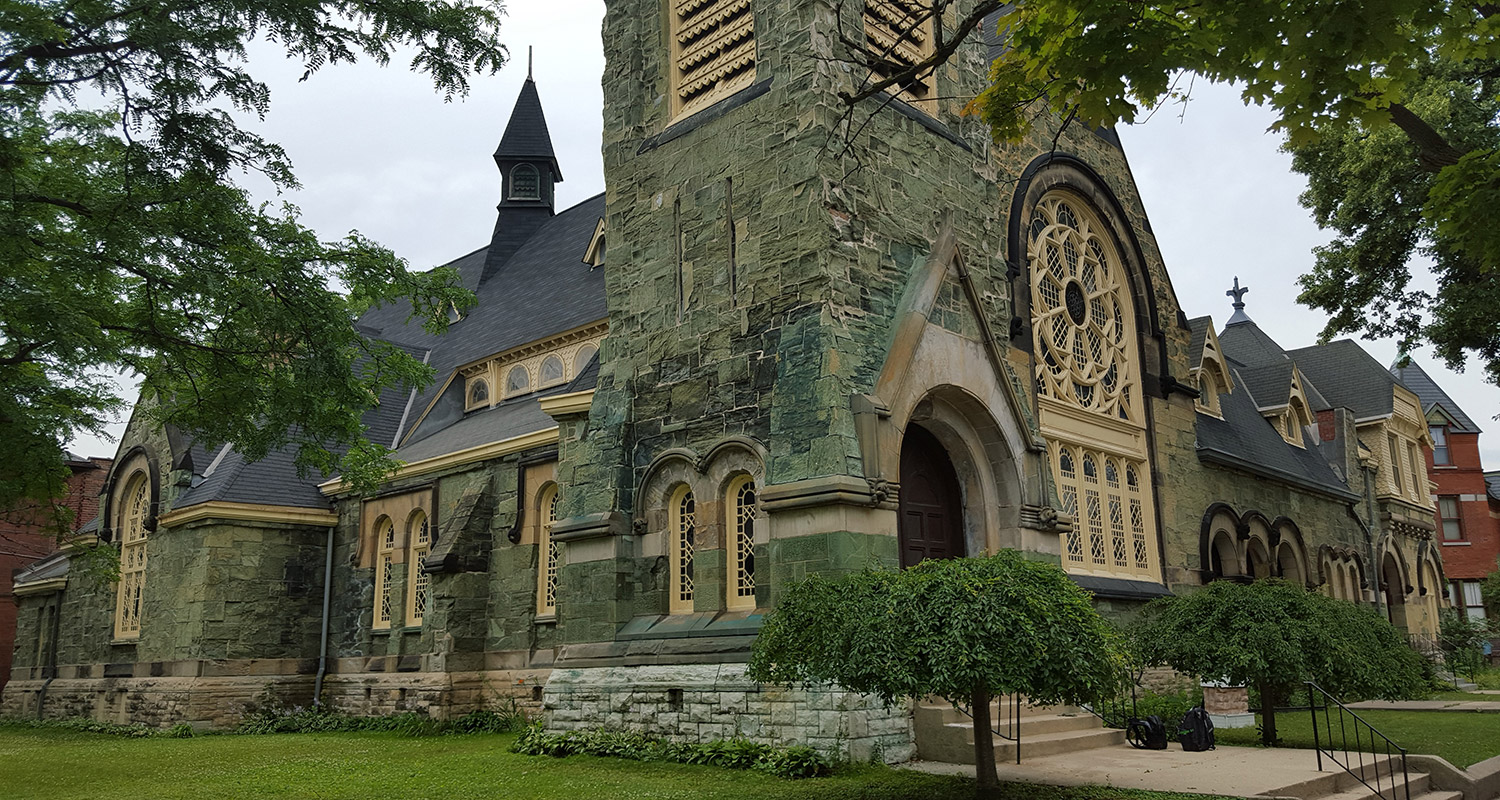
Landmarks Illinois facilitated a pro bono condition assessment, provided by Wiss, Janney, Elstner Associates, Inc. (WJE), of the historic Greenstone Church (S.S. Beman architect) in the Pullman Historic District. The district is now a designated National Monument.
Read More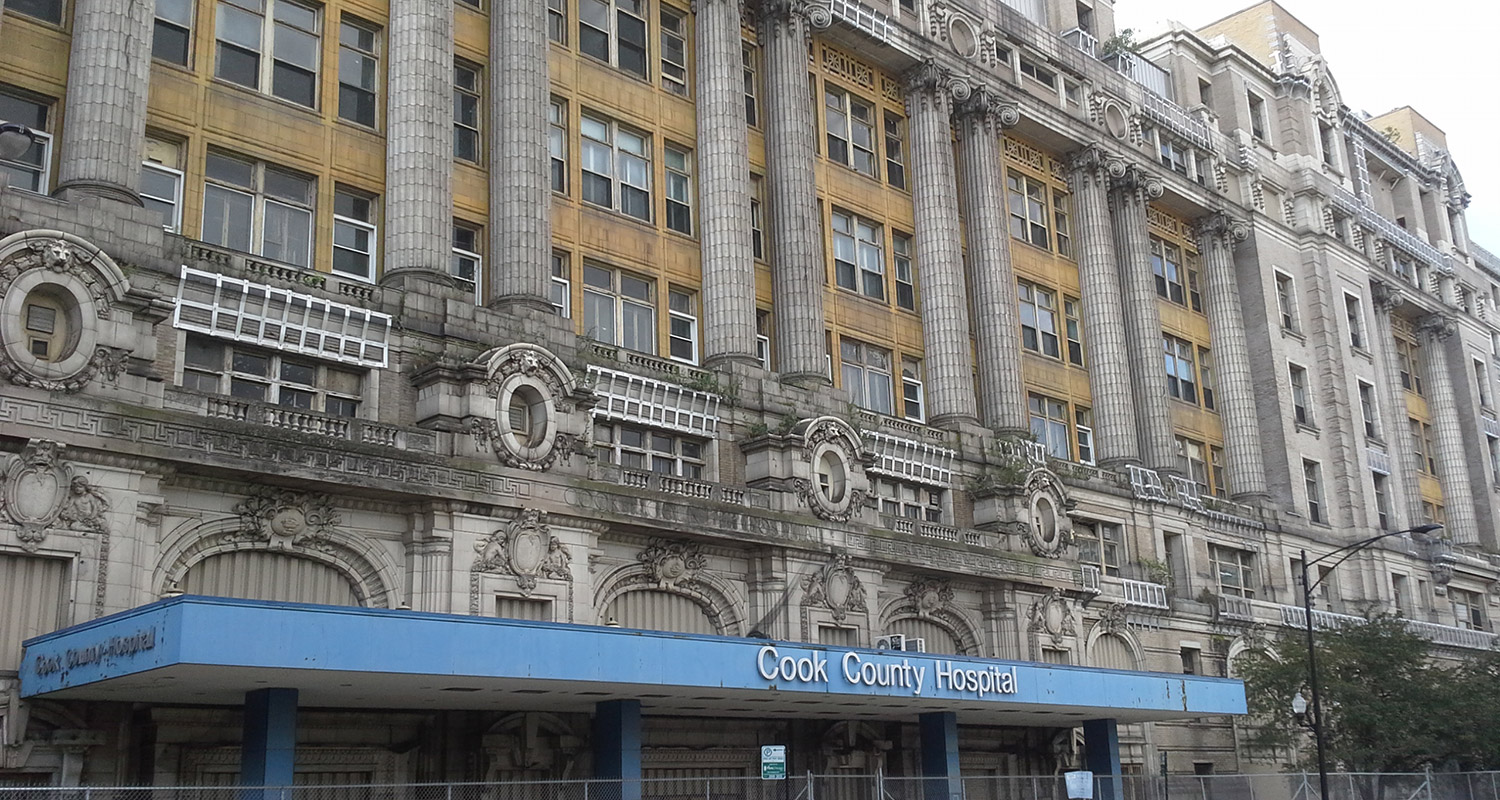
A redevelopment plan for Old Cook County Hospital was approved in May 2016 by the Cook County Board, which will allow MB Real Estate Services to invest $600 million in the historic building and reuse it for hotel, apartments and retail. The developer will pay $2 million in annual rent to the county under a 99-year lease and make use of federal historic tax credits to help finance the rehabilitation.
Read More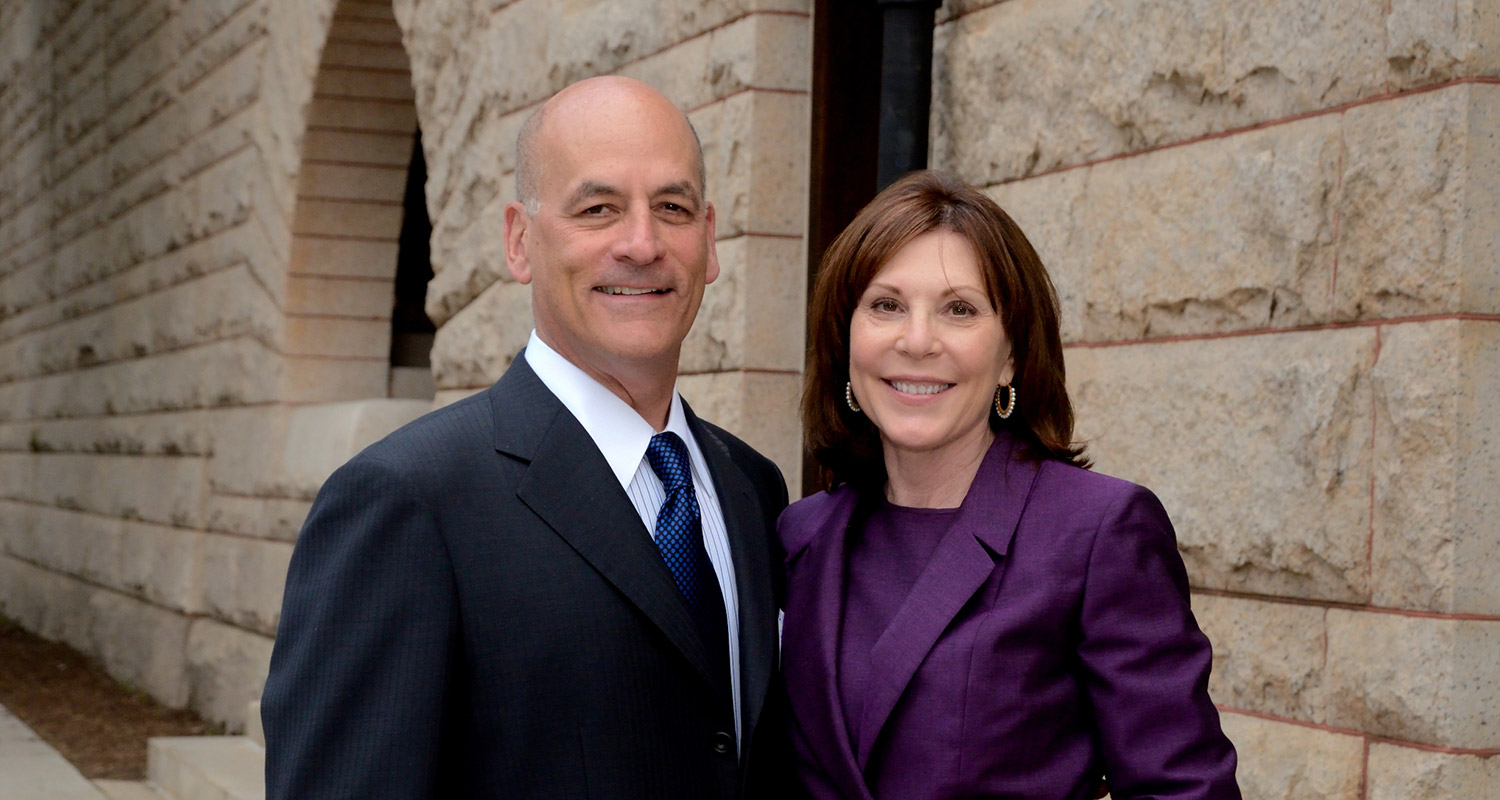
Board member Shelley Gorson is one of nine board members reaching their “sunset year” in June; that is, a mandatory year off from board service between six-year terms. In her 13 years as a volunteer, Shelley has served as a board member, event, committee, and board chair, and organizational visionary. We sat down with her to ask her about her experience.
Read More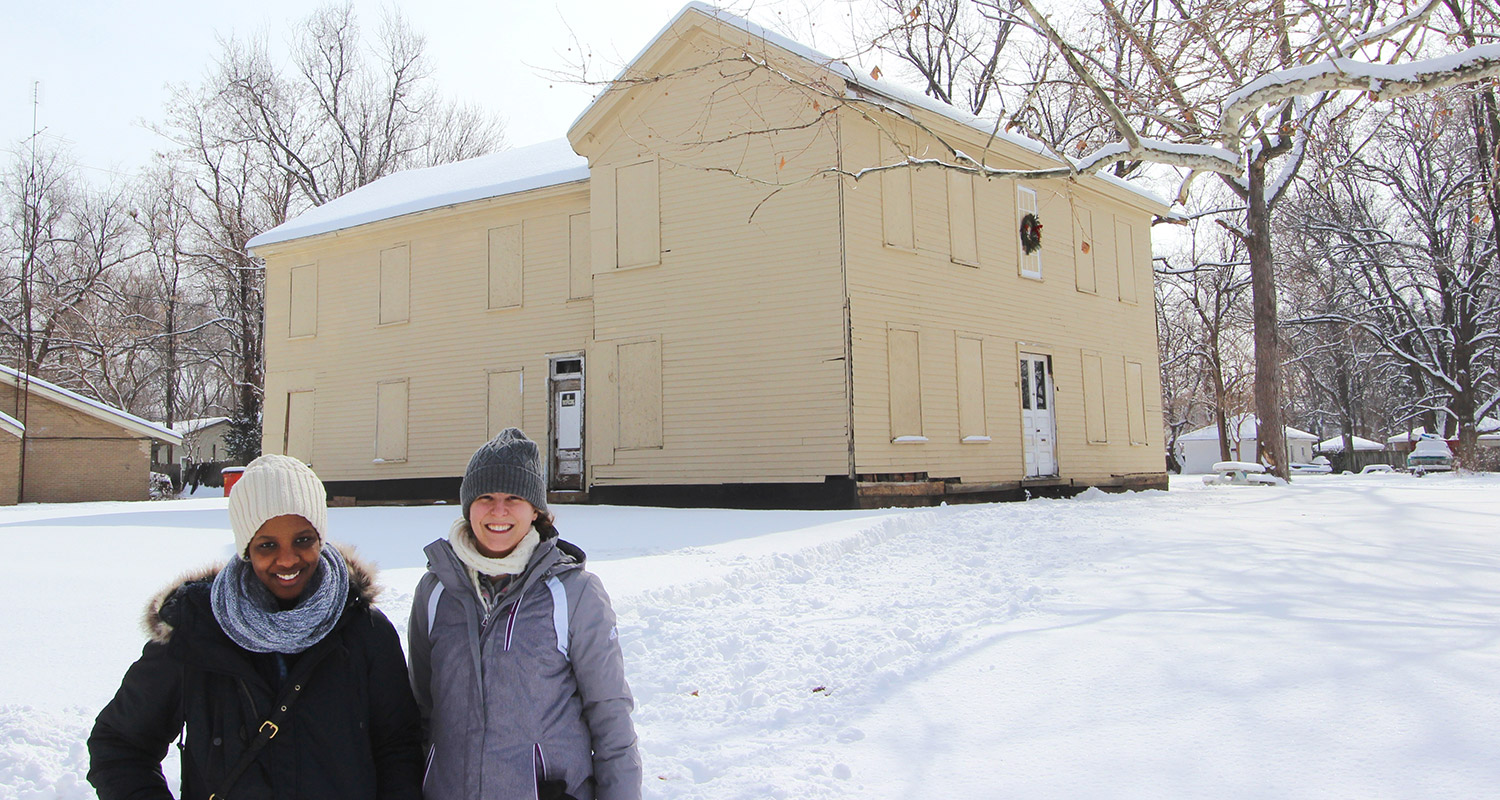
A transformation is taking place on Springfield’s east side. The Springfield Project, a neighborhood-based organization, recently completed the first phase of repairs to the pre-Civil War era Judge Taylor House for a future community center.
Learn More
As Chicago hosted the inaugural Chicago Architecture Biennial, news and opinions about the future demolition of buildings by some of Chicago’s greatest architects – Gene Summers and Helmut Jahn – was announced and opined.
Read MoreBe a voice for the future of our communities by supporting Landmarks Illinois. Our work enhances communities, empowers citizens, promotes local economic development and offers environmentally sound solutions.