Muddy Waters MOJO Museum, Chicago

2026 Landmarks Illinois Richard H. Driehaus Foundation Preservation Award for Restoration

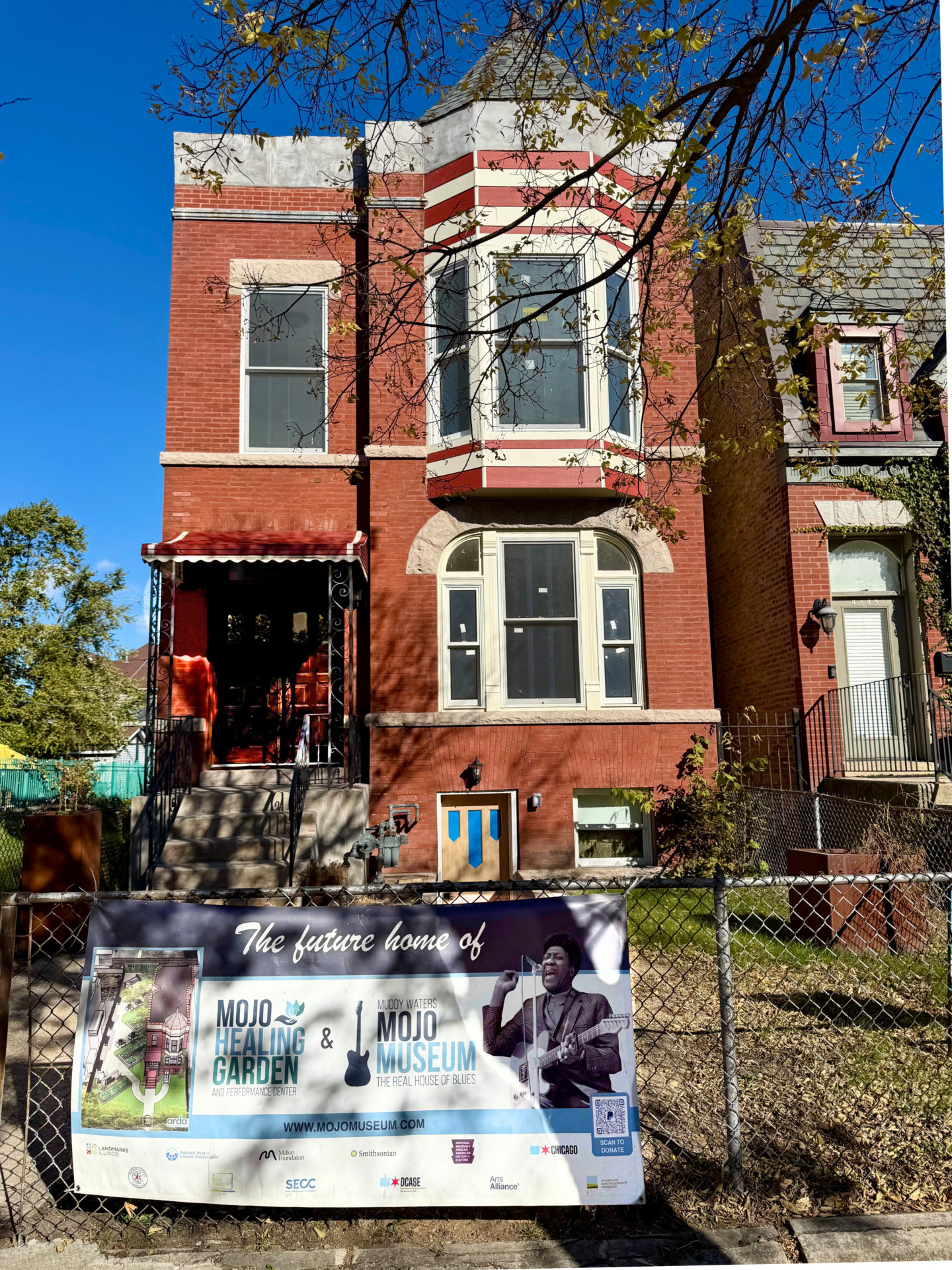
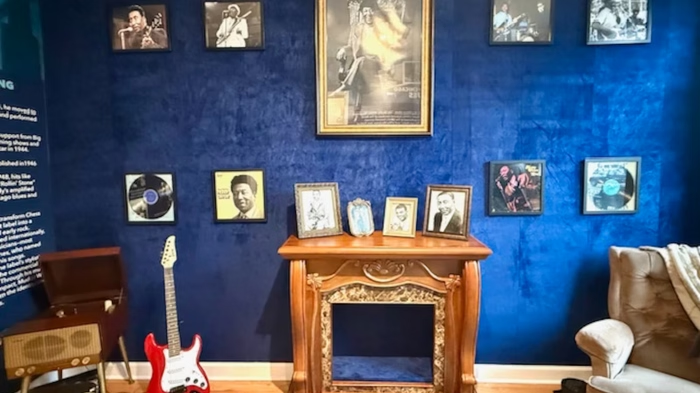
The Muddy Waters MOJO Museum is a restoration of the home and working studio of Chicago blues musician McKinley Morganfield, better known as Muddy Waters, often deemed the “father of Chicago Blues.” Born in Mississippi, Waters joined the Great Migration and settled in Chicago to pursue a career in music; his electric interpretation of the Delta Blues and subsequent signing to prominent label Chess Records laid the foundation for new generations of Chicago Blues musicians and influenced rock and roll across the globe. The 1891 brick two-flat that Waters purchased in North Kenwood in 1954 acted as his family’s home for nearly 20 years. Its basement became a critical gathering space for Waters and other members of Chicago’s Blues community. After decades of deterioration, the building faced foreclosure in 2013. The nonprofit Muddy Water Original Jam Out (MOJO) Museum embarked on an ambitious multi-phase project aimed at transforming the property into a museum and public programming center. This project included the successful nomination of the building to the National Register of Historic Places, the purchase of a neighboring lot and extensive renovations that not only stabilized the structure but created five permanent exhibits and an outdoor performance space. Completed in 2026, the Muddy Waters MOJO Museum honors Muddy Waters’ impact on Blues, celebrates Chicago’s artistic heritage and serves a community of locals and visitors alike.
Additional information

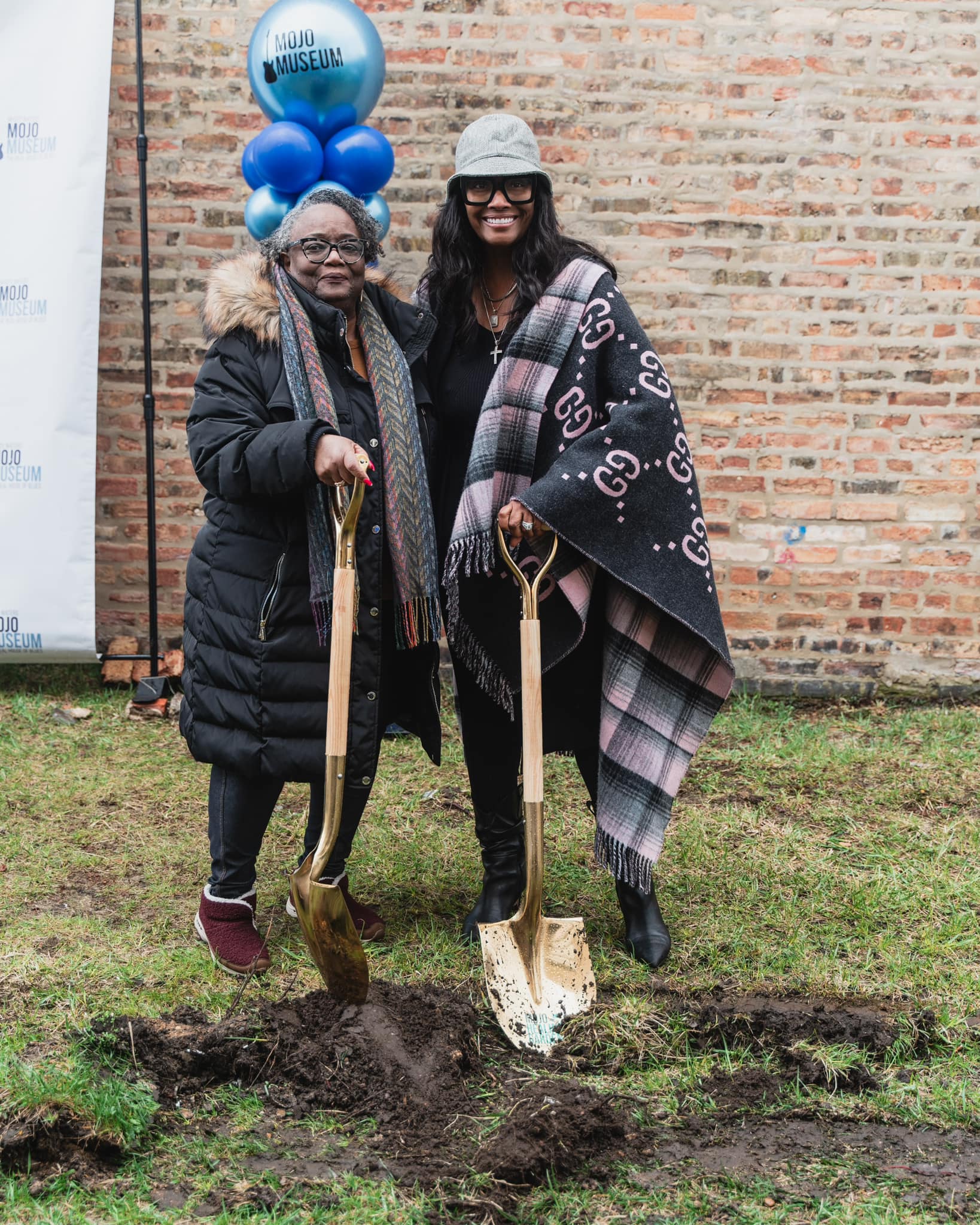
Landmarks Illinois listed Muddy Waters’ former home on its 2013 Most Endangered Historic Places in Illinois due to extensive structural issues and threats of foreclosure and demolition. With assistance from Landmarks Illinois and in-kind services from architecture and engineering firm Klein & Hoffman and contractor Berglund Construction, the MOJO Museum created a multi-phase preservation plan that first stabilized the property before more complete rehabilitation could begin. The overall preservation project included exterior stabilization, roof and window replacement, the reconnection of the building to city water lines, restorations of the ground and second floors and construction of the MOJO Healing Garden and Performance Center.

This project received two critical grants in the early stages of renovations. The MOJO Museum was the first-ever recipient of a grant through the Landmarks Illinois Timuel D. Black, Jr. Grant Fund for Chicago’s South Side (2020). It also received $50,000 from the National Trust for Historic Preservation through its inaugural round of awards through the African American Cultural Heritage Action Fund. Additional funding came from a $500,000 grant from the City of Chicago; Chicago Recovery and Together We Heal placemaking grants; and additional grants from the Mellon Foundation and the MacArthur Foundation. The property is also part of the new, congressionally designated Bronzeville Black Metropolis National Heritage Area dedicated to preserving the history and culture of the Bronzeville neighborhood.

Project Principals

  • Dr. Chandra Cooper, Owner & Muddy Waters’ great granddaughter
  • Edward Torrez, AIA, NCARB, LEED AP, Architect, Arda Design
  • Mike Mitchell, Project Manager, MIKEL Development & Construction LLC

Why is this place important to you?

Chandra Cooper, Founder, President & Executive Director of the Muddy Waters MOJO Museum

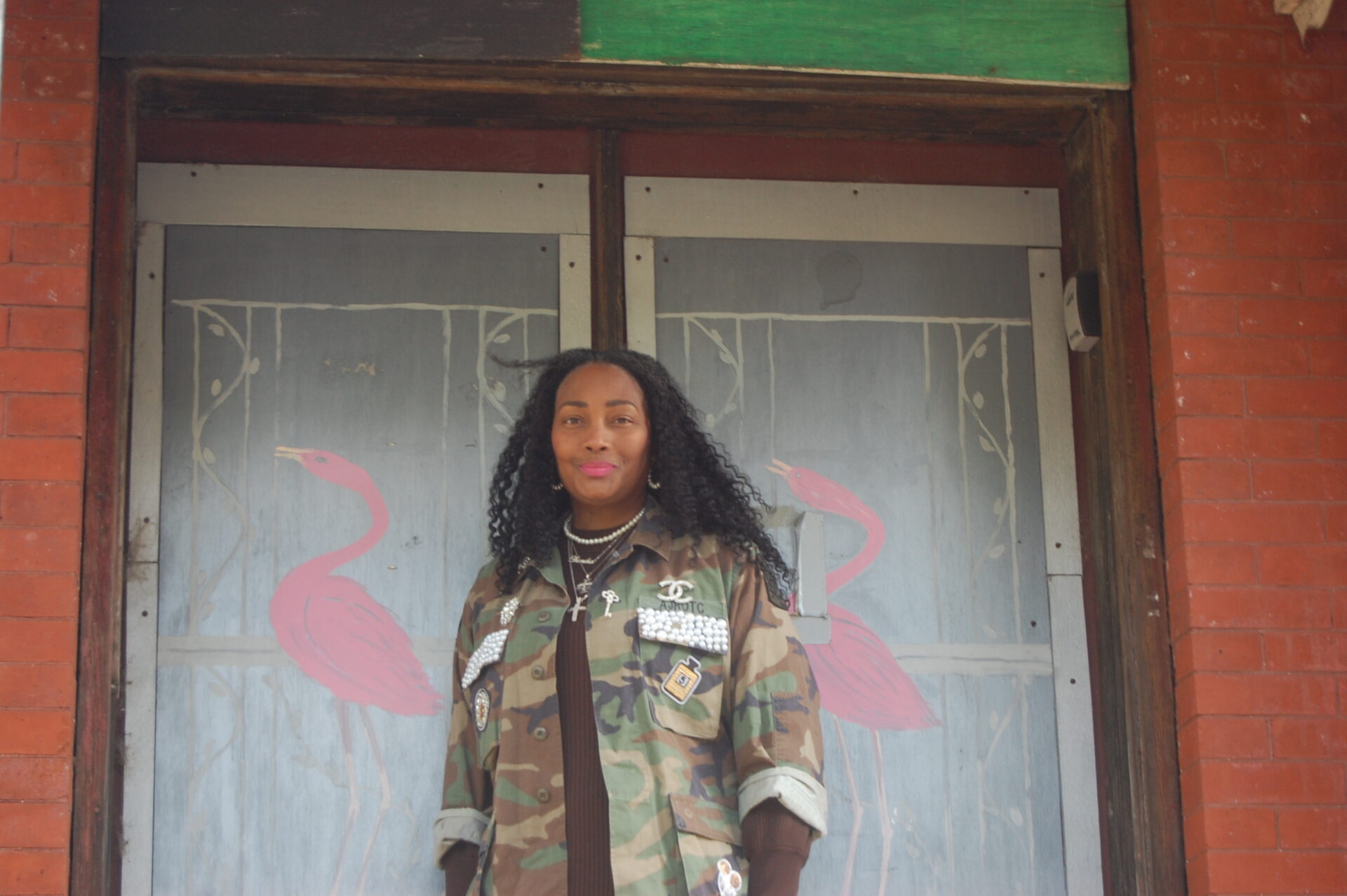
Muddy Waters MOJO Museum is much more than a museum. It’s my family’s legacy. As Muddy Waters’ great-granddaughter, I am passionate about preserving the home where he lived, created music and welcomed some of the biggest names in blues. Protecting the house means preserving my family’s heritage and ensuring future generations can experience the history, culture and music that helped shape music and culture. The MOJO Museum also provides a much-needed space to teach others why honoring and preserving family legacies matters. By sharing Muddy Waters’ story, I hope to inspire others to celebrate and protect the people, places and histories that define their own communities.

How did this place impact people in your community?

Chandra Cooper, Founder, President & Executive Director of the Muddy Waters MOJO Museum

The Muddy Waters MOJO Museum is more than a historic home. It’s a place where people can connect, learn and heal through the power of music and storytelling. It provides a welcoming space for community gatherings, educational programming, live performances and cultural events that celebrate the rich history of Chicago blues and the people who shaped it. By preserving Muddy Waters’ home, the museum also teaches the importance of honoring family heritage and protecting the legacies that define our communities. More than preserving the past, the MOJO Museum inspires people to come together, strengthen community connections and carry these stories forward for future generations.

Support our advocacy

Be a voice for the future of our communities by supporting Landmarks Illinois. Our work enhances communities, empowers citizens, promotes local economic development and offers environmentally sound solutions.

Become A Member