home

 about us  online store  download forms  join us


Preservation Resources

Reports & Surveys


Barn Preservation: A Survey of Illinois Activity


Above-average temperatures and a severe lack of rainfall this summer have heightened awareness of the struggles faced by small-operation farmers. As family farms struggle to endure, the preservation of historic agricultural structures—most notably, barns—is a growing concern. Each year, more and more of these “prairie cathedrals” disappear from our rural landscape.


In response, LPCI this past summer contacted county officials, AG extension agents, and other local leaders from nearly all of the state’s 102 counties. Here are a few key findings & impressive accomplishments found in the survey:


Key Findings


Accomplishments


Architectural surveys of rural structures have been completed—or are ongoing—in 20 Illinois counties. In 16 of these counties, the surveys were initiated by a local historical society or a group of concerned individuals.


Barn tours have been established in 10 counties, ranging from Jo Daviess and McHenry counties in the north to Bond and Union counties in the south. All of these tours have become ongoing events, either as organized group or self-guided tours.


A range of other activities have promoted historic barns in at least 22 counties. These include the publication of barn calendars (e.g., Iroquois County), the organization of museum exhibits (e.g., Crawford County), and the restoration of barns for public use (a barn bed-and-breakfast in Wabash County received an award from the National Trust).


A survey of Champaign County, which was conducted by the Women’s Committee of the Champaign County Farm Bureau, documented over 650 barns. Rock Island County’s survey identified 450 barns.


The McLean County Barn Keepers, a nonprofit group, stages barn dances, publishes a calendar, and sponsors day trips of barns.


The Piatt County barn tour, now in its eighth year, attracted over 600 participants from seven states in 2004.


The Shelby County Historical Society recently published a book featuring 30 barns.


The Ryan Round Barn in Henry County is being operated by the Friends of Johnson Park Foundation, which recently raised over $5,000 to paint the barn and build a new ramp.


Our statewide survey also identified counties that might be interested in enacting a historic preservation ordinance. Currently, only five counties (Kane, Logan, McHenry, Sangamon, and Will) have preservation laws; but Logan County’s landmarks ordinance appears to be inactive.


This research also will help support the efforts of the Illinois Barn Alliance, a group that will be holding its 3rd annual conference, Sept. 16-18, in Ullin, 20 miles north of Cairo. For more conference information, go to Preservation Community Events.


For more information on our statewide survey, contact LPCI’s Advocacy Director, Lisa DiChiera, by e-mail at DiChieraL@lpci.org.


This survey was conducted in Summer 2005 by LPCI intern Nicholas Hayward, a graduate student in Historic Preservation Planning at Cornell University. He hails from the rural community of Chillicothe, Illinois.


Rural Preservation Activity in Illinois.PDF


(LPCI statewide survey, 108 pages)

Barn Activities in Illinois.PDF


Barn Surveys in Illinois.PDF

Barn Re-Uses in Illinois.PDF


Barn Tours in Illinois.PDF


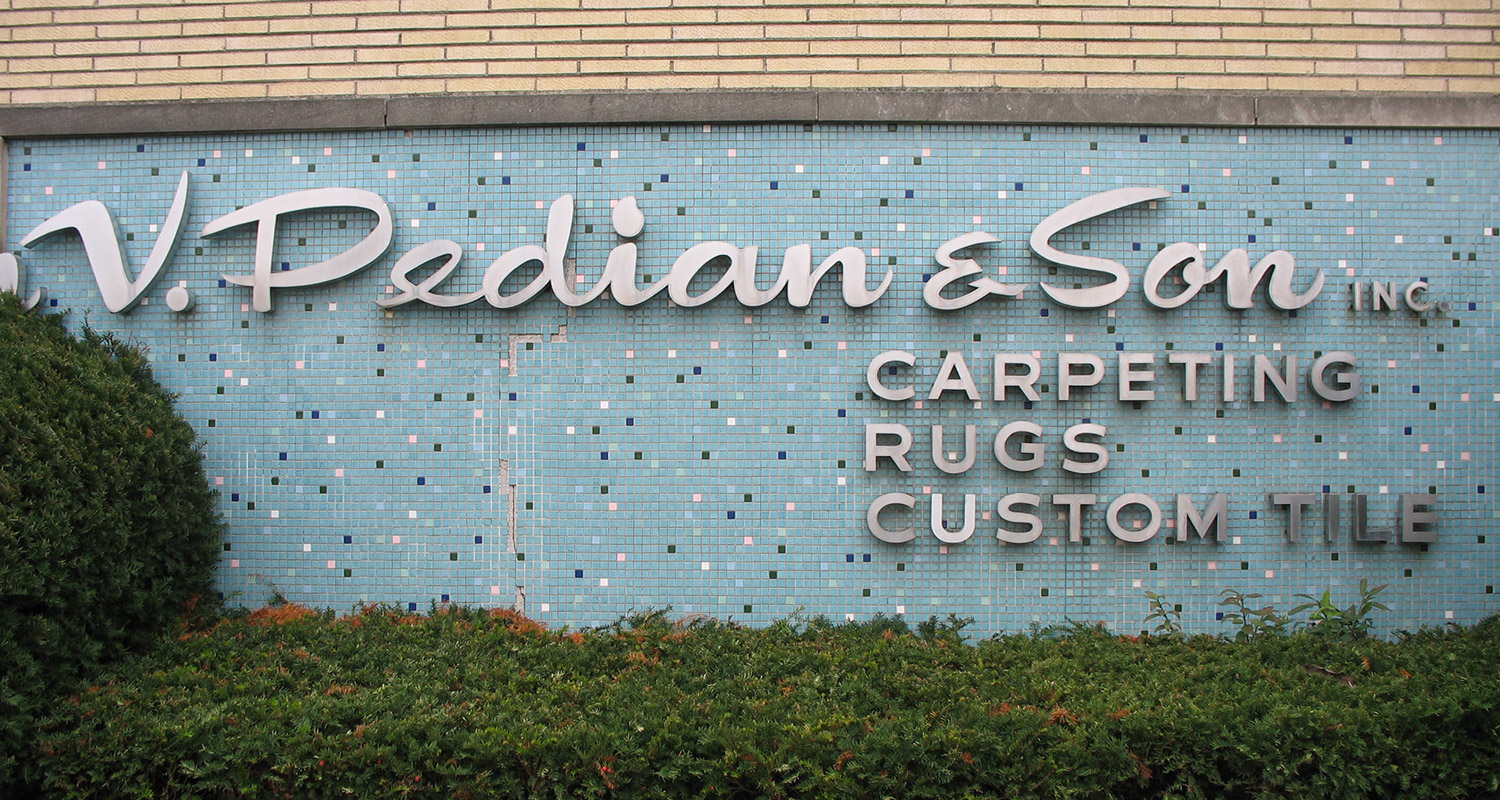
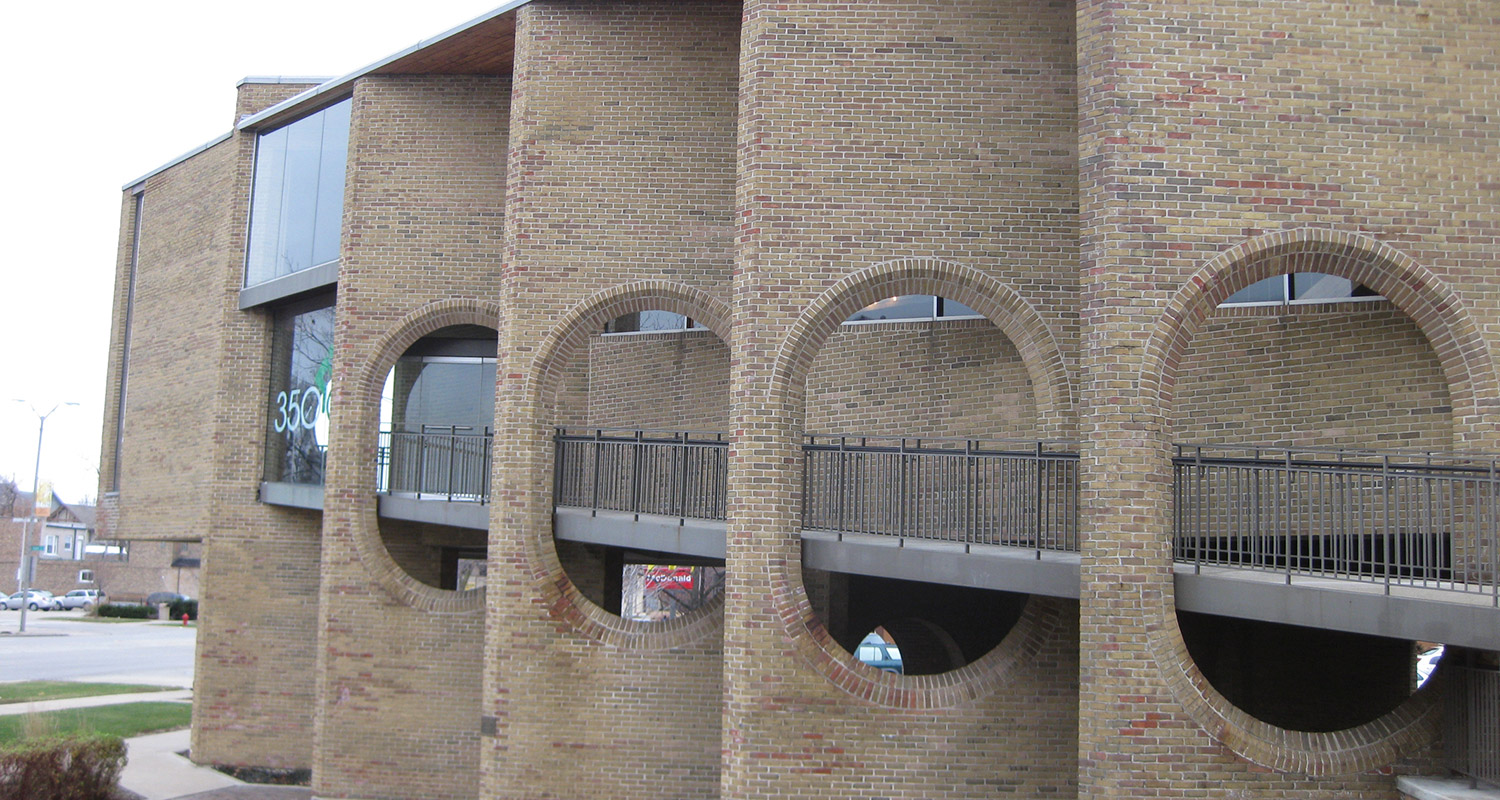
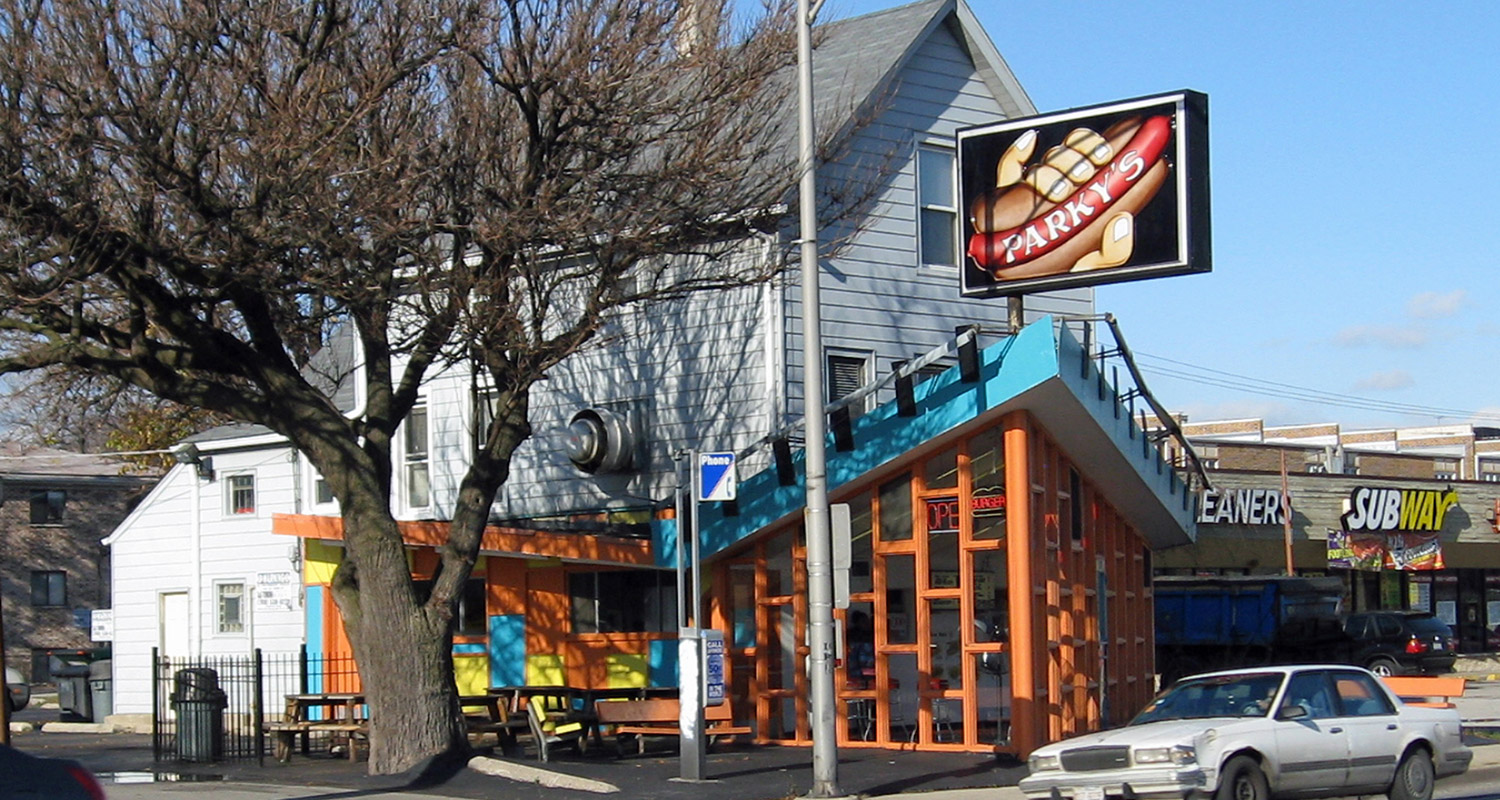
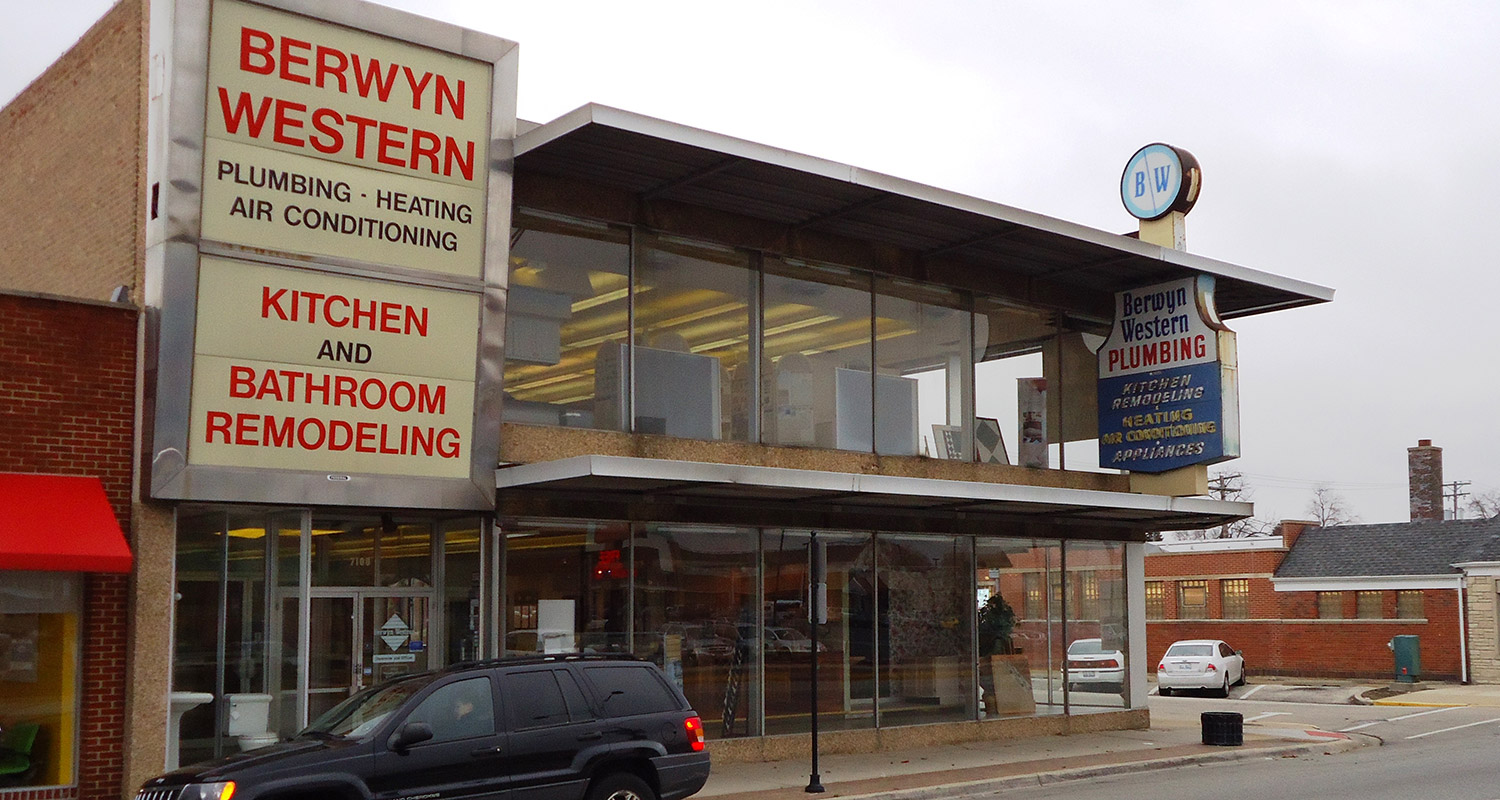
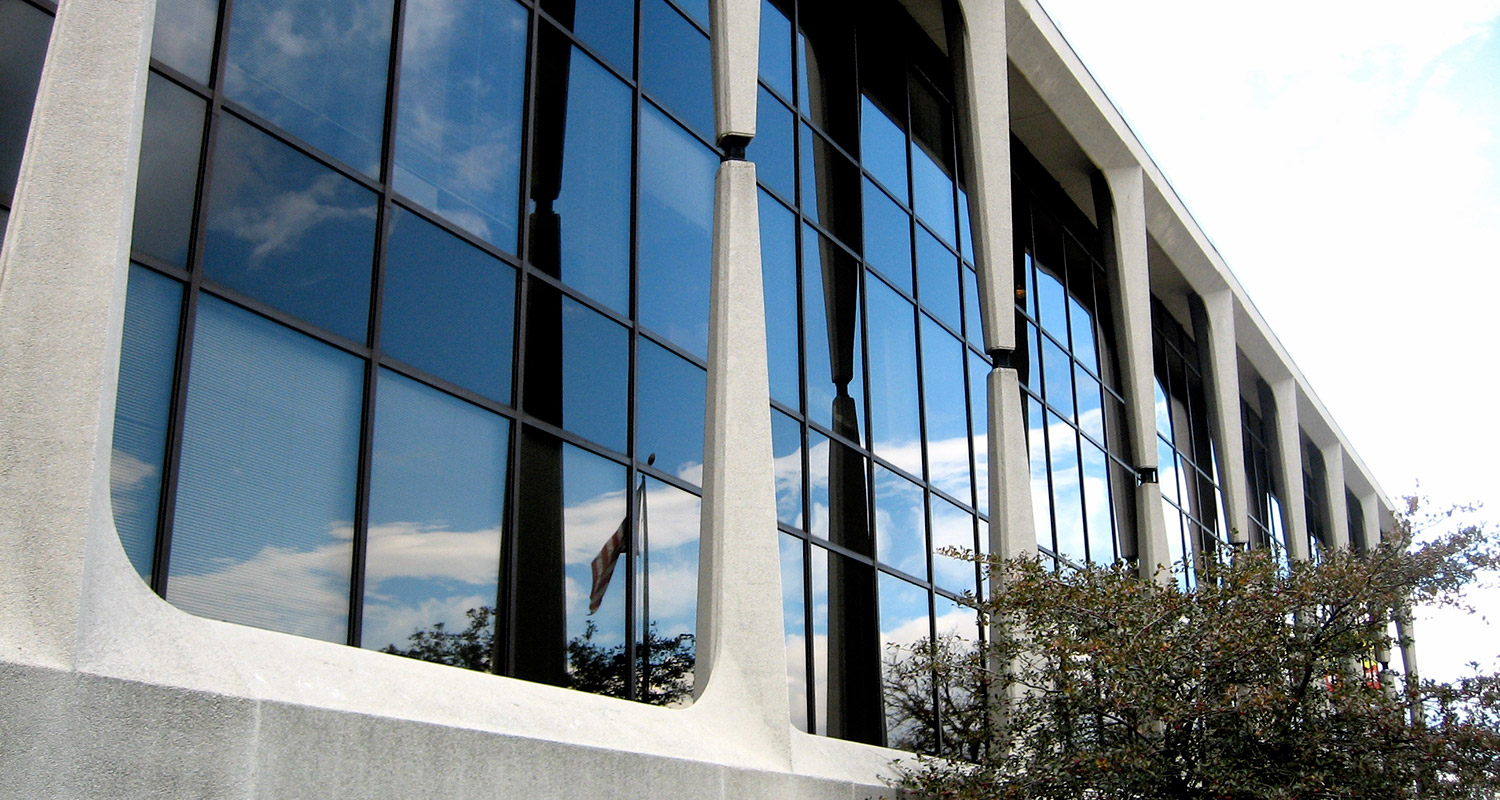
  Illinois Initiative on Recent Past Architecture (IIRPA) Having recognized that there are several organizations committed to identifying and advocating for the protection of “recent past” architecture, LPCI has initiated a cooperative effort among these groups to organize a major survey of recent past architecture in the Chicagoland area. Click to view the IIRPA Survey.


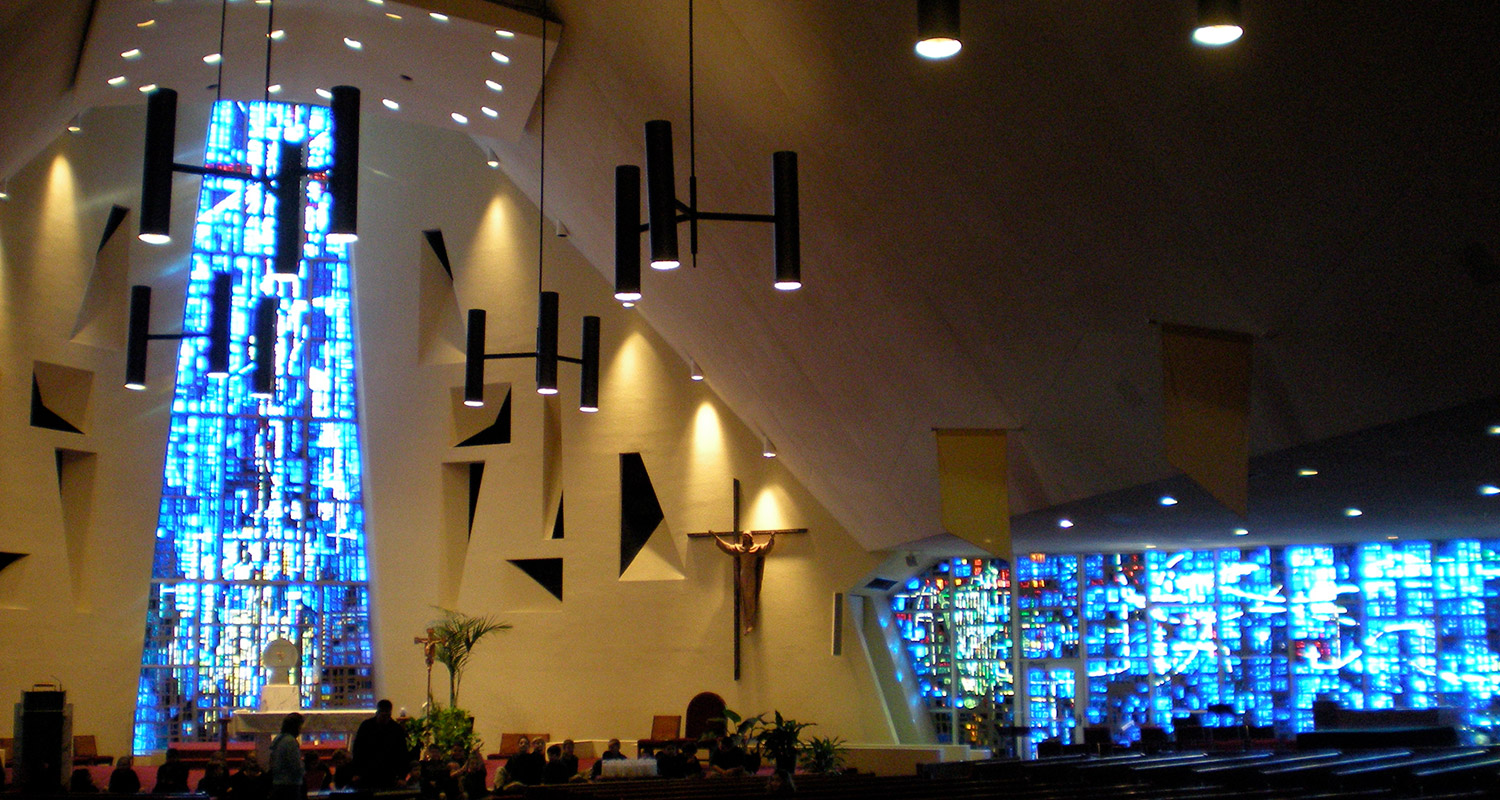
Religious Properties


The Northeast Office of the National Trust for Historic Preservation, in collaboration with Partners for Sacred Places, has just compiled a series of case studies showing new uses for closed religious properties from communities across the country. To learn more visit: www.nationaltrust.org/issues/houses_of_worship.


LPCI has prepared a short pictorial survey of Chicago’s endangered, unprotected, lost, and reused religious structures which is available for viewing by clicking the PDF file below. For more information on this issue go to Should Religious Properties Be Landmarked?


Chicago's Religious Structures: An Endangered Resource.PDF


Owner Consent Clause: Good or Bad?


Many communities debate whether or not to include an owner consent clause in their preservation ordinance, which requires that in order for a building to be landmarked, the owner must give his or her consent. While an owner consent clause is not encouraged by the Illinois Historic Preservation Agency for local preservation ordinances, it is allowed.


Pia Hermoso, an intern for LPCI from the Historic Preservation program at the School of the Art Institute, surveyed Certified Local Governments (CLG) in Illinois to determine which had owner consent clauses in their ordinances. Based on that, she inquired how each community assessed its preservation accomplishments. Her survey shows on average, CLGs without owner consent clauses have a slightly better track record in regard to landmark designations.


However, some CLGs with owner consent clauses have had effective landmarking efforts correlated with extensive educational outreach to historic building owners, specifically regarding the rehabilitation tax incentives available to owners of landmarked buildings. In either circumstance, it is clear education is the key to making owners comfortable with what it means to own a locally landmarked property. 


Preservation Ordinance Owner Consent Clause Survey.PDF


Landmarks Illinois
Suite 1315
53 W. Jackson Blvd.
Chicago, IL 60604 
tel. 312-922-1742 
fax 312-922-8112


home                top                  help                 sitemap                 farnsworth    house                email us  


© 2007 Landmarks Illinois. All rights reserved. In addition to the copyright to this collective work, copyright to the materials which appear on this site may be held by the individual authors or others. Landmarks Illinois is a
tax exempt 501(c)(3) organization founded in 1971 and is the state's leading voice for historic preservation.